
You searched for "blind"

Normal reference values for the RETeval device
The purpose of this study was to provide normative data of full-field electroretinography (ERG) responses in the paediatric population using the RETeval device in healthy children with normal retinas. This was a prospective study of 38 eyes of 20 patients...
Outcomes of strabismus surgery for TED
This study investigated the surgical outcome according to the initial postoperative angle of deviation after strabismus surgery in patients with hypotropia and esotropia who had thyroid eye disease (TED). The study included 78 patients with mean age of 53.4 ±9.5...
Fixation target position for increased limbus measurement accuracy with AS-OCT
The authors intended to determine the optimal gaze fixation points for lateral rectus and medial rectus muscle insertions using anterior segment - optical coherence tomography (AS-OCT) compared with intraoperative measurements. They recorded 46 lateral and 36 medial rectus muscles from...
Retinal changes prior to hydroxychloroquine toxicity
In this retrospective longitudinal study, the authors examined changes in retinal layer thickness in patients taking hydroxychloroquine without evidence of retinopathy. Patients were drawn from a hydroxychloroquine screening clinic and required at least two OCT scans, at least one year...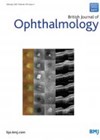
Uveitis ocular toxoplasmosis
This is a retrospective study of 106 patients between March 2011 and June 2018, of 37 IgM +group and 69 IgM - group of patients. The clinical features, demographics of patients with ocular toxoplasmosis (OT) were studied according to the...
Visual outcomes after surgery for primary RRD in era of microincision vitrectomy
This is a prospective, multicentre, nationwide study between 2016 and 2017, to investigate the preoperative ocular factors, surgical techniques (pars plana vitrectomy (PPV) or scleral buckling (SB), or combined procedures) for rhegmatogenous retinal detachment (RRD) and postoperative best corrected visual...
Outcomes of treat & extend ranibizumab in diabetic macular oedema
This study retrospectively evaluated 118 eyes of 87 patients who received ranibizumab in a treat and extend regimen for diabetic macular oedema (DMO). Data were collected for patients under follow-up for 24 months. After 24 months, patients gained a mean...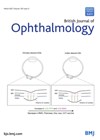
Incidence, microbiological profile and in vitro antimicrobial susceptibility of IK
This is a retrospective single centre study of all patients (with corneal scraping) including their demographic factors, microbiological profiles, and in vitro antibiotic susceptibility of infectious keratitis (IK), studied between 2007 and 2019. The incidence of IK was 34.7/100,000 people...
Effect of long-term RGP-CL wear on keratoconus progression
This is a retrospective study between April and December 2017, of 22 rigid gas-permeable contact lens (RGP-CL) patients (31 eyes) and 15 non-CL patients (20 eyes) who fulfilled the criteria of: 1) >3 years follow-up and 2) Scheimpflug-based corneal imaging...
Intraocular pressure changes following TOHM washout
This retrospective study between 2008 and 2019 of 110 eyes with primary open angle glaucoma (POAG), 33 eyes with ocular hypertension (OHT) and 43 eyes with uveitic glaucoma (UG) evaluated the changes in intraocular pressure (IOP) following topical ocular hypotensive...
A survey of neuro-ophthalmologists on use of corticosteroids in giant cell arteritis
While corticosteroids are the mainstay of treatment in giant cell arteritis (GCA), the type, dose, route and duration of treatment remains controversial. The authors surveyed 180 neuro-ophthalmologists on their use of this treatment via email in a two-month period. Results...


