
You searched for "technology"
Like a moth to AC flare: CMV-associated hypertensive anterior uveitis
Hypertensive anterior uveitis can present a diagnostic challenge to clinicians working in emergency eye departments. While prompt initial control of intraocular pressure (IOP) and inflammation is essential, elucidating the underlying aetiology is critical for long-term visual outcomes. When there is...Strengthening the signal: Advancing oculomics research for systemic health insights
Oculomics, the study of how ocular structure reflects systemic health, is poised to become an integral tool for predicting, triaging, and diagnosing a wide range of diseases. By analysing data from the eye, particularly the retina, healthcare providers can gain...The ocular manifestations of COVID-19: an overview of current literature
Although respiratory symptoms are the most frequent manifestation of COVID-19, multi-organ involvement has been demonstrated, including ocular manifestations. The author investigates how the eye can be affected. The SARS-CoV-2 virus responsible for the COVID-19 pandemic has presented a significant public...Visual disturbance heralding stroke: are we seeing the signs in time?
Isolated visual symptoms may be an early presenting feature of stroke, and timely recognition of such atypical cases is important because treatment for stroke has a limited time-window of efficacy. Stroke occurs in approximately 150,000 people per year in the...Jun/Jul 2014 Quiz
History An 80-year-old male had a cataract removed with intraocular lens (IOL) seven years previous. He presented with cloudy vision and it was noted that the IOL was intrinsically opaque. The IOL was replaced and sent for ophthalmic pathology assessment....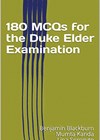
180 MCQs for the Duke Elder Examination
The Duke-Elder Undergraduate Prize Exam is a competitive exam aimed at undergraduates with an interest in ophthalmology. It is amongst the most prestigious undergraduate prizes in the United Kingdom. I would encourage motivated candidates to get their hands on as...
A comparison of colour vision tests in the presence of contrast sensitivity loss
This study analyses the effect of contrast sensitivity (CS) loss on colour vision (CV) testing, using a variety of colour vision tests. The authors used a computer model for CS loss to determine its effect on CV testing scores for...
Excessive blinking
A case review is presented to understand the clinical implications for children presenting to ophthalmology with episodes of excessive blinking in the absence of any obvious ocular abnormalities. This retrospective review was conducted from 2011-2014. The authors contacted parents and...
Visual consequences of congenital hypothyroidism
This study evaluated the frequencies of ophthalmic abnormalities in Turkish children with a history of congenital hypothyroidism in a retrospective study of 121 children. Median age was nine months (one to 216) at initial ophthalmic examination. Forty children were ex-premature...
Literature review of isolated ocular motor nerve palsies
Patients aged over 50 presenting with isolated nerve palsies of the third (pupil sparring), fourth or sixth nerves, are often described as having microvascular extraocular palsies. This review looks critically at the evidence surrounding these microvascular non-arteritic extraocular palsies and...
Liquid adhesive bandage for clear corneal cataract incisions
This paper reports a prospective randomised controlled trial of patients undergoing routine phacoemulsification with a 2.75mm clear corneal incision and followed up for 14 days postoperatively. They evaluated wound edge closure, surgically induced astigmatism and foreign body sensation after use...


