
You searched for "ophthalmic"

1834 results found

Impact of Eye Health Surveys and Partnerships in The Gambia

This article brings together the three national eye health surveys that have been undertaken in The Gambia between 1986 and 2019 and the impact that the results have had nationally and internationally. In it we describe the long-term capacity-strengthening for...

Gemini Untwined: treating craniopagus conjoined twins

The authors discuss the successful separation of craniopagus conjoined twins at Great Ormond Street Hospital and the role of the ophthalmologist in such cases. Craniopagus conjoined twins are extraordinarily rare, occurring in only one in 2.5 million births and representing...

Thermal injury and false eyelashes

The authors provide a case of cyanoacrylate glue causing a thermal burn on the eyelid and explain how this type of burn should be managed. The use of false lashes as well as the techniques used to apply them come...

Feb/Mar 2015 Quiz 1

A 79-year-old male presented to the ophthalmic emergency department with a three week history of left eye pain. He also reported visual deterioration in the left eye over the same period. He suffered from degenerative myopia, with his spectacle prescription...

Cataract surgery in corneal disease

Cataract surgery in the presence of corneal disease presents multiple challenges, from determining whether symptoms are lenticular or corneal in origin, to decisions regarding timing of surgery, intraocular lens (IOL) power calculation, IOL selection, surgical technique and perioperative care. Realistic...
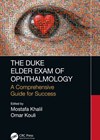


The Duke Elder Exam of Ophthalmology: A Comprehensive Guide for Success

The Duke Elder Exam is an annual competitive national undergraduate exam organised by the Royal College of Ophthalmologists. This two-hour exam consists of 90 multiple-choice questions (MCQs) and examines clinical ophthalmology, ocular physiology, anatomy, pathology, genetics and socio-economic medicine related...

The use of toxin in paediatric strabismus

Strabismus is a common condition that affects up to 5% children and can be associated with abnormal visual development, double vision, loss of depth perception and impaired binocularity [1]. It can also cause cosmetic concerns, negatively impact psychosocial wellbeing and...

Therapy for limbal stem cell deficiency: cell fate after limbal stem cell transplants

“The beauty of scientific research lies in that the search for answers often yields yet more questions.” A large body of evidence points to the corneoscleral limbal location as the repository of putative epithelial stem cells [1]. Thoft proposed the...

Bridging the gap – Supporting our patients across the primary / secondary care divide

Providing the best care for patients is surely a fundamental goal for all healthcare professionals. When waiting-times are long and getting longer, clinics are full, colleagues are off with stress-related illness and patients are complaining, is it possible to still...

“I can see fine. Why do I need my eyes tested?”

Are routine eye examinations really necessary? The author asks whether frequent appointments in low-risk patients with normal results are actually cost-effective. It’s recommended that most people should get their eyes tested every two years.” [1] This message is widely publicised...

Cataract surgery supervision

Senior trainees supervising other more junior trainees’ cataract surgery is a skill which needs to be taught and developed with care. It is beneficial for senior trainees as it provides an opportunity to develop supervision techniques prior to consultancy and...

Development of paediatric ophthalmology services in Malawi: the VISION 2020 LINK between Blantyre and Glasgow

A VISION 2020 LINK was established in 2005 between the Lions Sight First Eye Hospital (LSFEH) in Blantyre, Malawi (part of the Queen Elizabeth Central Hospital) with Glasgow’s Royal Hospital for Children to help to develop a paediatric ophthalmic service...
