
You searched for "modelling"
Upper eyelid ulceration as a presenting sign of frontal sinus mucocele
Introduction A sinus mucocele is an epithelium-lined sac filled with mucus and desquamated epithelium. It forms secondary to inflammatory processes that occur in a sinus with an obstructed ostium. Predisposing conditions include previous trauma, surgery, tumours, anatomical abnormalities, and chronic...Renewed momentum in ocular gene and cell therapy, broadening application to chronic disease
Gene and cell therapies offer the prospect of ground-breaking new avenues for the treatment of diseases, reflected in a renewed explosion of interest and investment in retinal gene therapy. Rod McNeil reports recent clinical trial readouts across a diverse range...100 years of insulin
*Joint first authors The centenary of the discovery of insulin is a time to celebrate one of the most significant scientific discoveries of the 20th century. Background Before 1923, Type 1 diabetes mellitus [T1DM] resulted in death from severe ketoacidosis...Nano-ophthalmology paves a new path in the future of eyecare
Introduction The treatments of ocular conditions in the field of ophthalmology varies from topical to surgical procedures. The field of nanotechnology is one of the fast-growing fields of medicine, which plays an important role in turning the impossibilities of the...My Top Five: Key insights from recent research into uveitis in adults
Uveitis, characterised by inflammation of the uvea – the eye’s middle layer comprising the iris, ciliary body, and choroid – remains a leading cause of visual impairment worldwide [1]. It primarily affects adults aged 20–50 years. Untreated uveitis may cause...Congenital and paediatric cataract: Advances in diagnosis and management
Congenital and paediatric cataracts are relatively rare, although prevalence varies significantly between countries, influenced by factors such as nutrition, immunisation policy and population genetics [1]. In the UK, around 3–4 of every 10,000 babies are born with cataracts. It’s a...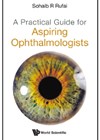
A Practical Guide for Aspiring Ophthalmologists
Entry to ophthalmology training at ST1 level is one of the most popular and competitive recruitment processes in UK postgraduate medicine, therefore applicants should take every opportunity to prepare themselves for this challenge. Hopeful ST1 applicants may find A Practical...New genomic test saves Moorfields patient’s sight
Moorfields patient Ellie Irwin’s stubborn and debilitating eye inflammation was successfully treated as a result of a new metagenomic service identifying the cause of this as a rare infection. In 2019, Ellie first got symptoms of uveitis, a condition characterised...
Corneal keloid: Report of natural history and Outcome of Surgical Management in Two Cases
Corneal keloids are rare and typically reported following trauma (including post-surgical) and has been reported without any trauma or previous surgery. A corneal keloid differs from a hypertrophied scar in that it occurs months/years after the injury, enlarges over time...


