You searched for "cornea"

Cytotoxic effect of voriconazole on human corneal epithelial cells
Voriconazole is a second-generation synthetic derivative of fluconazole with broadened antifungal spectrum. It is becoming the drug of choice for fungal keratitis. Voriconazole eye drops are not available commercially, thus have to be prepared by diluting the intravenous formulation containing...
Liquid adhesive bandage for clear corneal cataract incisions
This paper reports a prospective randomised controlled trial of patients undergoing routine phacoemulsification with a 2.75mm clear corneal incision and followed up for 14 days postoperatively. They evaluated wound edge closure, surgically induced astigmatism and foreign body sensation after use...
Surgical outcomes after trauma-induced cataract extraction
This study evaluated outcomes in children aged less than eight years with corneal laceration and traumatic cataract who had cataract extraction one to eight weeks after primary corneal wound repair. This was a retrospective study of 47 eyes of 47...
Risk factors for visual impairment in facial nerve palsy
Facial nerve palsy (FNP) is known to be associated with corneal exposure due to the nature of the condition, but how many of those will go on to develop severe visual impairment (SVI)? This study investigates the risk factors associated...
Systematic review investigating the time taken for corneal stabilisation following contact lens cessation
A systematic literature review of 15 studies (13 prospective, 1 retrospective and 1 case observational case series) to assess corneal stabilisation post-contact lens (CL) cessation by using corneal imaging techniques. The included studies reported stabilisation of corneal parameters as follows;...Moorfields: A&E clinical skills lab
This half-day in-person clinical skills course will provide an opportunity for comprehensive simulated training for essential clinical skills in emergency eye care. The course uses both wet and dry lab simulation, including the use of sim eyes and also pig...7th Anterior Segment Meeting
A day of ophthalmic education with a range of interesting talks focusing on topics within Corneal, Oculoplastic, Glaucoma and Debates.Chairs: Mr Mario Saldanha & Mrs Anjana Haridas | Singleton Hospital) & Mrs. Anjana Haridas -University of WalesMoorfields Education: Eye emergencies for the non-ophthalmologist
This course is aimed at doctors, aspiring ophthalmologists, nurses, allied health professionals and students wishing to learn how to recognise, manage and treat acute ophthalmology presentations.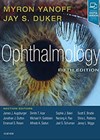
Ophthalmology
The textbook is a large, single volume that ideally needs to be desk or table-supported, as its sheer weight makes it virtually impossible to rest comfortably on ones lap. The book is compiled by its two lead authors and editors...The assessment of pupils and pupillary reactions
Understanding pupillary reactions is vital in understanding basic neuro-opthalmology. It is a skill required in eye casualty, clinics and perhaps most importantly, exams. To start at the beginning, the pupil is the central aperture of the iris, its size controlling...
Tocilizumab in Graves’ orbitopathy
This prospective European study looks at the response to tocilizumab in corticosteroid-resistant disease. Tocilizumab (TCZ) is a monoclonal antibody that competitively inhibits IL-6 binding to its receptor. Unlike teprotumumab, the advantage of TCZ is that it is already used within...