
7 December 2020
| S Vamshi Merugumala
|
EYE - General
As I dump my tenth pair of gloves into a non-recyclable clinical waste bin; dispose of another handful of plastic minims; or print another wad of single-sided discharge paperwork after a cataract surgery, the inconvenient truth of how these seemingly...
Congenital cataract is the clouding or opacification of the lens that occurs at birth or weeks after (infantile cataract). They can be unilateral or bilateral and vary in form, size and location, and consequently the visual impact, management course and...
A round-up of the eye related hot topics that have been trending on social media over the last few weeks. #Volleyball #EyeInjury Multiple outlets have picked up the story of Lee Cuthbert, who was on holiday in Mexico and playing...
The authors share their investigation at Manchester Royal Eye Hospital into the association between diabetes and AAU. The global prevalence of diabetes mellitus (DM) is rapidly rising from an estimated 9.3% in 2019 to 10.2% by 2030 [1]. The link...
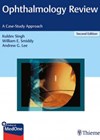

Ophthalmology review is a ‘case-driven’ textbook which is aimed at medical students or trainees. It’s quite an inviting textbook – I picked it up and flicked through and felt like this is something I would actually like to read. It...
Isolated visual symptoms may be an early presenting feature of stroke, and timely recognition of such atypical cases is important because treatment for stroke has a limited time-window of efficacy. Stroke occurs in approximately 150,000 people per year in the...
Robotic technology in ENT surgery has been used in certain areas of head and neck cancer care but, in this article, we hear of an exciting development from the team at Guy’s & St Thomas’. Advances in surgical robotic technology...
Uveitis, characterised by inflammation of the uvea – the eye’s middle layer comprising the iris, ciliary body, and choroid – remains a leading cause of visual impairment worldwide [1]. It primarily affects adults aged 20–50 years. Untreated uveitis may cause...
The Glaucoma-NET was established by the VISION 2020 LINKS Programme in 2021 to address the high levels of irreversible blindness due to glaucoma in low-income countries. It aims to preserve the sight of people with glaucoma through bringing together patients, clinicians, researchers, NGOs and Ministries of Health, with a lasting and sustainable impact.
David Shahnazaryan, Consultant Ophthalmologist, London, UK and Radhika Rampat, Consultant Ophthalmologist, London, UK, report from the AECOS Symposium in Antwerp, Belgium (June 10-12).

