

Ophthalmology

My Top Five: Duke Elder Undergraduate Ophthalmology Prize Exam Tips
The prestigious Duke Elder Undergraduate Ophthalmology exam in the UK is aimed at medical students who have completed their ophthalmology undergraduate teaching but is open to all medical undergraduates provided they have not graduated at the time of the examination....
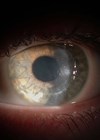
Advances in the understanding, diagnostic and treatment of keratoconus
*Joint first authors Keratoconus is a bilateral and asymmetric eye condition in which the cornea’s structure is affected and thinned, causing a cone-shaped bulge to develop. This results in progressive loss of vision and impairs the ability of the eye...
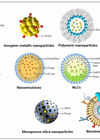
Nano-ophthalmology paves a new path in the future of eyecare
Introduction The treatments of ocular conditions in the field of ophthalmology varies from topical to surgical procedures. The field of nanotechnology is one of the fast-growing fields of medicine, which plays an important role in turning the impossibilities of the...
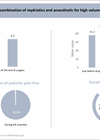
Improving cataract efficiency: insights and learnings from expert practitioners
An evening surgical meeting sponsored by Théa Pharmaceuticals Ltd brought together leading experts to share insights and experience on practice strategies to enhance the efficiency of cataract surgery. Streamlining patient flow to optimise capacity and efficiency Qasim Mansoor, Consultant Ophthalmic...
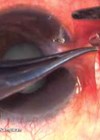
Stem cell transplantation and pterygium surgery
Pterygium is a benign, fibrovascular overgrowth of bulbar conjunctiva extending onto the cornea and has been associated with ultraviolet (UV) light exposure. The prevalence of pterygium worldwide varies between geographical zones but has been reported to range between three and...

Corneal transplantation in the United Kingdom: are we blind to the challenges that still exist after the Organ Donation Bill?
Corneal transplantation (CT) is a significant treatment option for a huge number of patients in the United Kingdom (UK) [1]. For an individual, CT results in a substantial improvement in quality of life. Penetrating keratoplasty with full thickness grafting has...

Dr Glaucomflecken: Stayin’ Alive
Peter Cackett spoke to ophthalmologist and social media sensation Dr Glaucomflecken about his early days in comedy, the role satire can play in impacting medical governance, and where he might take his brand of medical comedy next. It was towards...
My Top Five: Ophthalmology Twitter accounts
There are approximately 4.2 billion active social media users worldwide. This figure represents over half of the global population and is steadily rising [1]. There are currently over 217 million active Twitter users and given the platform’s versatility and ability...
Mastering clinical skills in ophthalmology
To young junior doctors, and some senior doctors who may not have had much exposure to ophthalmology, the specialty can seem very foreign. Not only are the conditions and examination findings specific to the eyes, but the skill set required...
How to get the most out of your ophthalmology elective
If you are in your penultimate year (or even earlier) and have already decided that you want to do ophthalmology, good for you! Ophthalmology is one of the most competitive specialties, and one of the easiest ways to demonstrate your...
Code-Free Deep Learning: a step into the future of ophthalmology
A new focus has arisen within the research domain of artificial intelligence (AI) in healthcare called code-free deep learning (CFDL), and recent research demonstrates that ophthalmology is becoming one of the leading specialties in this field. Artificial intelligence (AI) is...
FAQs about cerebral visual impairment (CVI): identifying and helping those affected
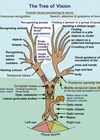
Cerebral visual impairment is common in both adults and children, yet the diagnosis can easily be missed unless one is tuned into the presenting features. This article provides a succinct introduction to this important topic. What is vision? Vision is...


