You searched for "Genetics"
Ophthalmology
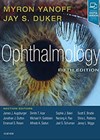
The textbook is a large, single volume that ideally needs to be desk or table-supported, as its sheer weight makes it virtually impossible to rest comfortably on ones lap. The book is compiled by its two lead authors and editors...Congenital and paediatric cataract: Advances in diagnosis and management
Congenital and paediatric cataracts are relatively rare, although prevalence varies significantly between countries, influenced by factors such as nutrition, immunisation policy and population genetics [1]. In the UK, around 3–4 of every 10,000 babies are born with cataracts. It’s a...3rd Ophthalmic Drug Delivery Summit
Translating Long Lasting Efficacy & Less Invasive Retinal Drug Delivery The importance of matching the right drug delivery route to the right ophthalmic disease is more pressing than ever. The 3rd Ophthalmic Drug Delivery Summit is the premier gathering for...Yorkshire Retina Society Winter Meeting 2024
by Madiah Mahmood, Junior Medical Education Fellow, Bradford Teaching Hospitals and Foundation Trust, UK; Ewan McCallum, Consultant Ophthalmologist, Bradford Teaching Hospitals and Foundation Trust, UK. The Yorkshire Retina Society is one of the largest regional subspecialty societies in the UK,...
Leber’s hereditary optic neuropathy outcomes in an Indian population
A large cohort study in an Indian population is presented, with clinical and genetic profile analysis of patients with Leber’s hereditary optic neuropathy (LHON) treated over a five-year period. The study included 157 patients; 143 male, 14 female (10.2:1 ratio)...
Familial Mediterranean Fever and keratoconus
This retrospective case control study was conducted in the Genetic Diagnostic Centre in Turkey. It examined the prevalence of keratoconus in two groups; patients with Familial Mediterranean Fever (FMF) and age matched controls free of FMF, who were tested for...
Features of branchio-oculo-facial syndrome
Branchio-oculo-facial (BOF) syndrome is an autosomal dominant inherited syndrome that typically presents with branchial cleft sinus defects, ocular anomalies and dysmorphic facial appearance. The authors present a new case alongside the results of a literature review describing the common genetic...
Seeing mitochondrial disease
This review highlights mitochondrial diseases as the most common inherited neurometabolic disorders, often affecting multiple high-energy organs, with eye involvement frequently representing the earliest or predominant feature. Diagnosis is challenging due to significant genetic and clinical heterogeneity, including variable expressivity,...
Differential inhibition of EAU by CTLA4 and IL-6
Cytotoxic T lymphocyte antigen-4 (CTLA4) binds both CD80 and Cd86 and inhibits T lymphocyte activation via CD28. Il-6 is a pleiotropic cytokine that has been associated with many autoimmune conditions including uveitis. Blockade of these molecules by either CTLA4-Ig, a...
γδ T cell depletion does not affect fungal keratitis
Fungal keratitis (FK) is a blinding condition prevalent in agricultural areas of countries such as India and China. The fungus enters the cornea and induces an inflammatory response which leads to tissue damage. Neutrophils are the earliest infiltrating immune cells...