You searched for "Laser"
Nurse-led Rapid Corneal Collagen Cross-linking / UKISOP Society Education Day
Nurse-led Rapid Corneal Collagen Cross-linking By Dan Gore Over the last decade, clinical trial data has accumulated for new interventions in keratoconus that promise to arrest disease progression, significantly reduce transplantation rates and save many patients from long-term reliance on...
Incidence and risk factors of ocular hypertension following PPV and SOI
In this prospective, interventional study the authors evaluated the risk factors for elevated intraocular pressure (IOP) after pars plana vitrectomy (PPV) with silicone oil injection (SOI). This study included 254 eyes of 254 patients, with a mean age of 55.33...Transferring imaging from primary to secondary care (part 1)
Transferring clinical imaging from high street optometrists to secondary care is an increasingly requested option, especially in the context of the COVID-19 pandemic. A wide variety of solutions exist to allow this, each with their own merits and shortcomings. For...Orbis and FundamentalVR to talk at 100% Optical
The health care technology company teams up with the global non-profit to showcase how simulation, telemedicine and virtual reality (VR) are changing the landscape of cataract surgery education.Committed to the next generation of Ophthalmologists
Ophthalmology trainees are gaining invaluable surgical experience at Newmedica, an independent provider of NHS and private ophthalmology services. Newmedica Consultants report they are enthusiastic about sharing their skills and experience with the next generation of Ophthalmic surgeons to support the...Sense Medical and Canon: Getting ready for the OCT Pathway in Diabetic Eye Screening Surveillance Pathway webinar
Are you ready for the OCT pathway in DESP? OCT is set to be integrated into the English National Diabetic Eye Screening Surveillance Pathway, significantly enhancing the management of patients with mild diabetic maculopathy. This advancement allows patients to remain within a surveillance pathway overseen by retinal screening rather than being immediately referred to the Hospital Eye Service (HES). The webinar will be hosted by Professor Tunde Peto and Mrs Samantha Mann and will discuss the new OCT pathway, how OCT will change diabetic screening, how to interpret OCT images and how programmes can get ready for the change. Starts at 6pm UK time for 90 minutesHow to get a trainee from 0 to 600 cataracts in two years: Perspectives from the trainee and the trainer
Trainee’s perspective I remember my first day as an ST1 at Moorfields Eye Hospital in Croydon. I was in theatre for a cataract list, and the challenges were numerous. From draping to hydrating the wound, it was all completely new...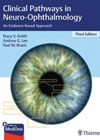
Clinical Pathways in Neuro-Ophthalmology: An evidence based approach (Third edition)
This is a fairly comprehensive textbook with 20 chapters covering the most common neuro-ophthalmic problems you are likely to encounter in clinical practice. The chapters each comprise several sections, the titles of which are often phrased as questions the reader...The role of aspirin in the treatment of NAION: Benefits and controversies
Non-arteritic anterior ischaemic optic neuropathy (NAION) is the most common acute optic neuropathy in individuals over 50 with estimated prevalence of 2–10 per 100,000 people, characterised by sudden, unilateral vision loss due to ischaemic injury to the optic nerve head....Applanation tonometry in the pandemic era: Are facial masks an obstacle to a correct intraocular pressure measurement?
Current recommendations in the UK advise on wearing any facial covering to prevent the spread of the coronavirus [1]. Whilst this is vital for patient and hospital staff safety, it has led to several changes in the approach to a...
MRI characteristics of NMO, MOG and MS-related ON
This review article examined differences of MRI appearances that can help clinicians assess and manage these important neuro-ophthalmic disorders. It also examined the role of optic nerve MRI as a prognostic indicator in acute optic neuritis (ON). The major findings...