
You searched for "intraocular "

EOM enlargement in carotid cavernous fistulas
This study evaluates the radiological patterns of extraocular muscle enlargement and proptosis in carotid cavernous fistulas (CCF). At least one muscle was enlarged in 27.5% of cases. The inferior rectus was most commonly enlarged, followed by the medial rectus. Proptosis...
Anatomical measurements for degree orientation and muscle insertions for rectus muscles
This study reports the relative degree orientation of the superior, lateral and inferior rectus muscles with respect to the medial rectus, and the distances between the rectus muscle insertions. The study involved 30 cadavers (60 eyes), all White, 50% female...
Investigation of PAX7 positive satellite cells in extraocular muscle surgery
PAX7 is a transcription factor and is expressed in non-active and activated satellite cells. It is needed for muscle progenitor function, survival and expansion. This study investigates the effect of recession/resection surgery on PAX7-positive satellite cells in extraocular muscles of...
Clinical evaluation of a new pupil independent diffractive MIOL lens with a ±2.75D near addition
This is a clinical outcome assessment after cataract surgery with implantation of multifocal intraocular lens implant IOL with a lower near addition (+2.75D) of 143 eyes of 85 patients aged between 40 to 83 years of age. The type of...
Capsular tension rings to reduce refractive shift
The study group aimed to determine whether the use of a capsular tension ring (CTR) can increase refractive stability in patients with implantation of two different trifocal intraocular lenses. This was a prospective, consecutive series of eyes which underwent refractive...
Comparison of bilateral lateral and unilateral recession resection for IXT
This is a retrospective review study of patients between the ages of three and 15 years old with the basic type of intermittent exotropia (IXT) who had strabismus surgery between January 2003 to September 2009. There were 85 patients included...
Validation of a vision screening service according to AFSOP recommendations
This study evaluated the accuracy of the diagnostic parameters used in the French Association for Paediatric Ophthalmology and Strabismus (AFSOP) screening protocol performed by an orthoptist in relation to the reference standard ophthalmology examination. The study also evaluated parent satisfaction...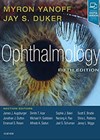
Ophthalmology
The textbook is a large, single volume that ideally needs to be desk or table-supported, as its sheer weight makes it virtually impossible to rest comfortably on ones lap. The book is compiled by its two lead authors and editors...Warfarin Induced Suprachoroidal Haemorrhage Presenting as Acute Angle Closure Glaucoma
Spontaneous suprachoroidal haemorrhage is a rare but recognised entity. Anticoagulant therapy is a well known risk factor. We describe a case of warfarin induced suprachoroidal haemorrhage presenting as acute angle closure glaucoma in a patient with raised International Normalised Ratio...Blame the lens – not its position – in refractive surprise
Aetiology of postoperative refractive surprise Weber coined the term “wrong eye, wrong intraocular lens, wrong patient” in 2008 as an aide memoir of major factors believed to underlie refractive surprise – defined as a significant unintended difference between dioptric refraction...
Stereopsis changes with cataract
Stereoacuity was compared preoperatively to six weeks postoperative after cataract extraction and intraocular lens (IOL) implant. The authors evaluated the association of postoperative stereoacuity with visual acuity, age and duration of preoperative symptoms. This prospective study recruited 142 patients: 92...


