You searched for "virtual"

Subconjunctival anaesthesia in vitreoretinal surgery
The authors present a technique that combines topical and subconjunctival anaesthesia for vitreoretinal surgery. In this ‘two-step’ procedure, three drops of proparacaine were applied to the conjunctival fornix, followed by subconjunctival lidocaine injected in three quadrants. This was compared with...
Acanthamoeba keratitis
This is a retrospective case series on medical records and corneal photographs of 40 eyes of 35 patients with acanthamoeba keratitis (AK, culture positive or with histopathological diagnosis). The mean age of onset was 30 ±15 years (younger in females)....
Residual esotropia surgery comparisons
The aim was to compare lateral rectus resection and plication methods in patients with residual esotropia for postoperative success rate, dose response, ipsilateral medial rectus limitations and reoperation. The study included 57 patients (31 female, 26 male) with 27 plication...
Long-standing flattening effects on the globe following spaceflight
Posterior globe flattening has been well-documented in astronauts both during and after long-duration spaceflight (LDSF). This globe flattening is thought to be due to the disc centred anterior forces created by elevated volume and / or pressure within the optic...
Unusual case presentation of arteritic anterior ischaemic optic neuropathy
The authors present a single case of an 84-year-old man with arteritic anterior ischaemic optic neuropathy, but with unusual features on temporal artery biopsy. He presented with a three-day history of sudden onset of loss of vision in his right...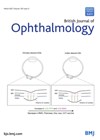
Two-year interim safety results of the 0.2ug/day FAC intravitreal implant for the treatment of DMO
This is a 24-month interim prospective observational study of 95 previously steroid challenged patients (115 eyes) receiving intravitreal 0.2ug/day fluocinolone acetaid (FAC) implant for diabetic macular oedema (DMO) treatment. The mean IOP for pre- and post- FAC implants were stable,...
Care journeys of patients with central retinal artery occlusion
The authors present a retrospective case note review of all adult patients referred for or diagnosed with central retinal artery occlusion (CRAO) to a single tertiary hospital over a 10½ year period. A total of 181 patients were included in...
Adjuvant radiotherapy in orbital malignancy
This is a retrospective review of high dose volumetric modulated arc radiotherapy (VMAT) for adjuvant treatment of patients with orbital malignancy who had already undergone local excision or exenteration. VMAT differs from conventional external beam radiotherapy in that it is...
Clinical features and mortality of endogenous panophthalmitis in China
This longitudinal cohort study aimed to report the clinical features, treatment strategy, and mortality of 15 consecutive patients (16 eyes) with endogenous panophthalmitis (EP) at a tertiary medical centre of the largest eye centre in Northern China. Mean age was...
Central fixation testing in microtropia
This study compared the two assessment methods of the 4D prism test and ocular fixation assessment in order to identify micro strabismus with identity. The study included 112 children; 46 males and 66 females. Anisometropia was present in 108 patients...
ISBCS versus DSBCS
This is a retrospective study of 53 children who had immediate sequential bilateral cataract surgery (ISBCS) (37/53) or delayed sequential bilateral cataract surgery (DSBCS) (16/53) at a tertiary referral paediatric hospital in Toronto, Canada. Clear visual axis was the measure...