
As a junior medical student roaming the wards of St Thomas’ Hospital in the early 1990s, I was unaware that I was surrounded by a large art collection comprising over 4500 pieces. The collection is displayed throughout the building to improve the environment for both patients and staff.
However, at the time I was oblivious to this and my only exposure to art was my own poorly drawn diagrams of chests and abdomens in the patients’ notes. Subsequently, in over 25 years of working in ophthalmology I have been unable to efficiently draw an accurate optic nerve and fundus. I blame a poorly developed right hemisphere during my youth.
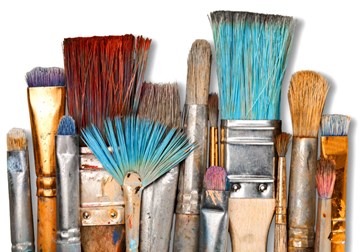
Although many of us may not be talented artists, we can still appreciate art. On my regular trips to London, I will often drag my elderly father around Tate Modern entering via the magnificent and cavernous Turbine Hall. There is so much to admire, especially Andy Warhol’s Marilyn Diptych. I just have to ignore my father’s disparaging remarks on what constitutes art. I have more luck at the National Gallery with its extensive Impressionist collection including several of Claude Monet’s water lily paintings.
For Eye News February/March 2026, Adina Smith describes the struggles Monet and Cassat had with cataracts in the creation of their art and reminds us how important vision is for artists. It also highlights what a privileged position we are in as ophthalmologists to not only preserve but also improve vision in our patients so that they can both appreciate and create art.
Elsewhere, main features include a lesson in sustainability in an overview of sustainable cataract surgery in Rwanda by Michael Mikhail. In the ‘Trainees’ section, Ravi Piccus discusses the importance of communication during ophthalmic surgery. The case report in this issue by Mehru Nisah covers deep corneal foreign body removal, for which you can also grab yourself a CPD point for reading. For those that face challenges in the management of their dry eye patients, there is plenty of advice in this edition’s Dry Eye IV supplement. In ‘My Top Five’, Maiar Elhariry provides useful tips for budding researchers in writing a successful grant application in ophthalmology.
Returning to the art theme of this editorial, it is good to remember that art is also important for our wellbeing. Whether through art creation or appreciation, it can reduce stress and alleviate symptoms of anxiety and depression. Also don’t forget that other creative activities, including writing (especially for Eye News), can improve our wellbeing.
I thought I would leave the final words of this editorial to Andy Warhol, which should be an inspiration to us all: “Don’t think about making art, just get it done. Let everyone else decide if it’s good or bad, whether they love it or hate it. While they are deciding, make even more art.” In summary, let your creative energies flow.



