Ophthalmology and art are undoubtedly connected – for many artists they are inseparable, as their vision is fundamental to their work – it determines how they perceive colour and light in order to transform it into art. However, visual impairment has impacted a significant number of well-known artists throughout history.
This three-part series explores how different eye conditions have impacted works from the likes of Rembrandt, O’Keeffe, Degas and more, allowing us insight into the experience of visual impairment through art.
Claude Monet (1840–1926)
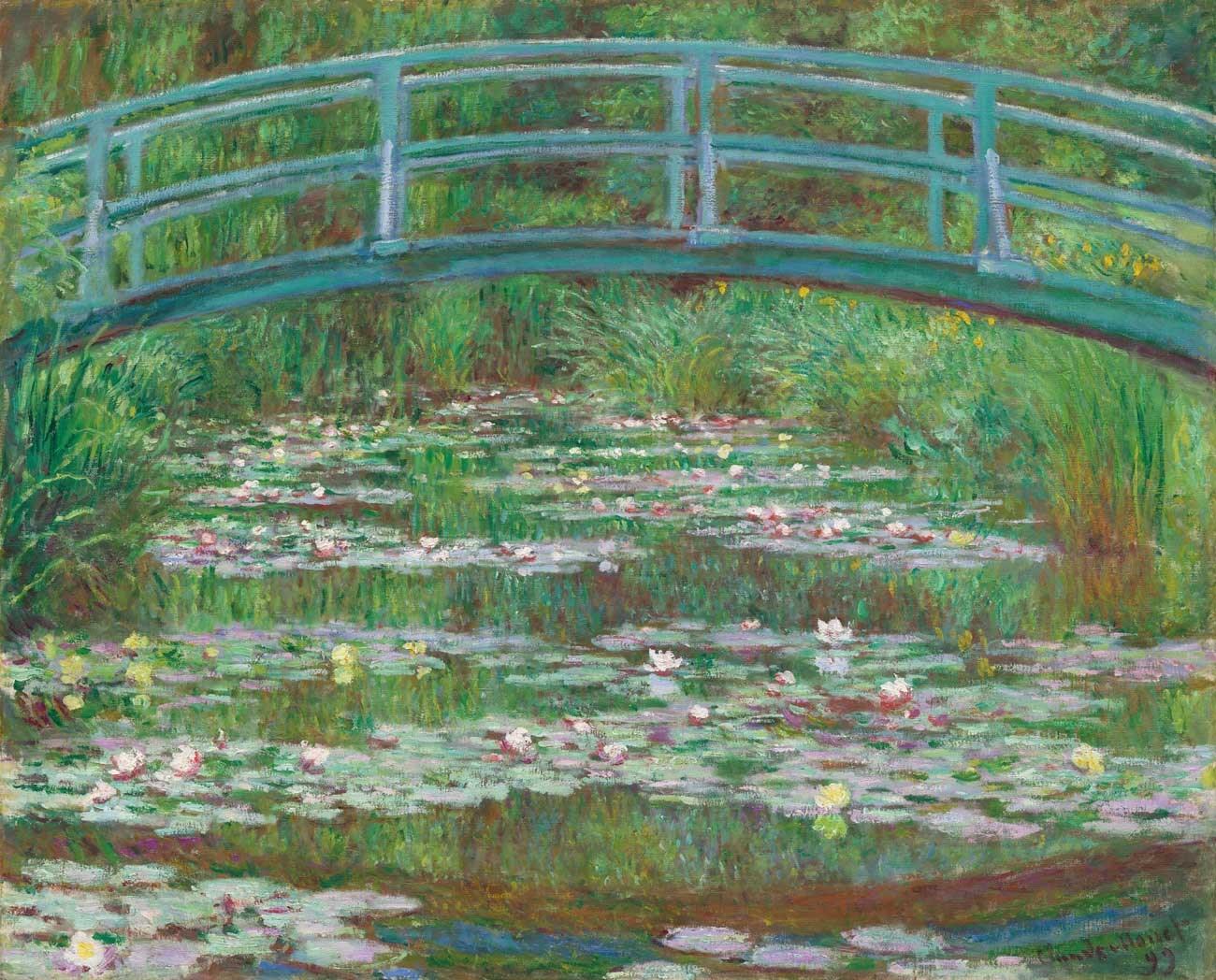
Figure 1: ‘The Japanese Footbridge’ by Claude Monet (1899). Oil on canvas.
Perhaps the most appropriate place to start is with one of Impressionism’s founders: Claude Monet. Upon visiting the Musée de l’Orangerie in Paris you are faced with the vast Nymphéas (Water Lillies), covering 200 square metres of the curved gallery walls, flooded by natural light from above. Water Lillies are some of Monet’s most famous works inspired by his garden in Giverny, taking him three decades to complete [1].
Monet developed bilateral cataracts around 1905, impacting his colour perception and visual acuity. He relied on labelling his paints and ordering them on his palette, writing: “Colours no longer had the same intensity for me … reds began to look more muddy … my painting was getting more and more darkened” [2].
Looking at Monet’s works from this period, it is clear to see the shift from his vibrant palette of greens and blues to the more muted yellow tones. His brush strokes became thicker too, and less defined.
Despite frustration with his deteriorating vision, Monet was initially resistant to undergoing cataract surgery as advised by multiple ophthalmologists. He feared it would be unsuccessful, as was the case for fellow artist Mary Cassatt [3]. He finally agreed to the operation in 1923 and after a difficult postoperative period, he resumed work. He retouched or destroyed pieces from before the operation before finalising his infamous Water Lillies. His paintings once again began to resemble those from before 1914.
Mary Cassatt (1844–1926)
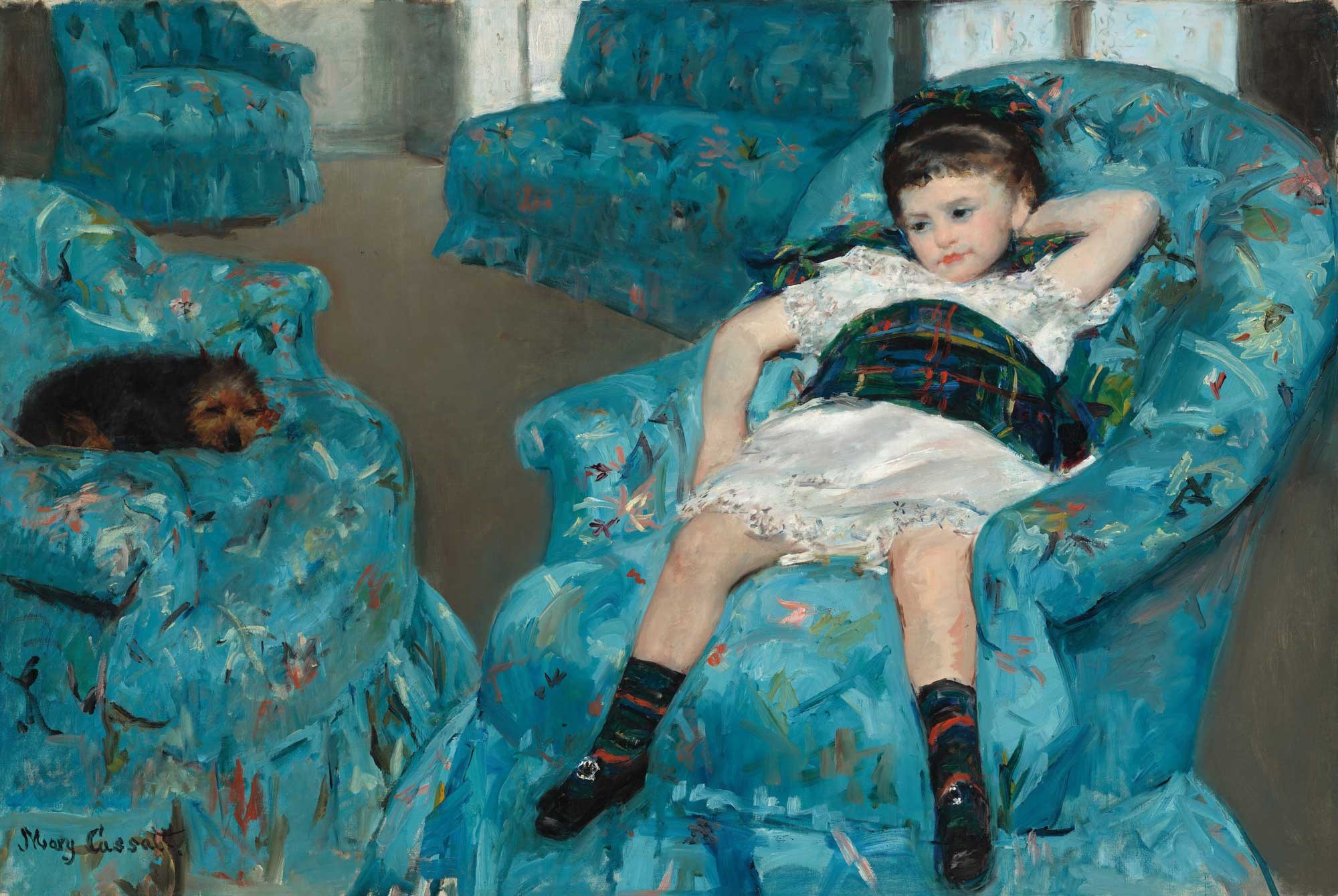
Figure 2: ‘Little Girl in a Blue Armchair’ by Mary Cassatt (1878). Oil on canvas.
Another artist closely associated with the Impressionist movement was Mary Cassatt. Cassatt was an American artist who spent much of her life in Paris, painting alongside the likes of Monet and Edward Degas. One of the few women involved in the Impressionist scene, Cassatt is most known for her delicate oil depictions of mothers and their children, using sweeping brush strokes of vibrant colours [4].
Similarly to Monet, Cassatt’s eyesight deteriorated in her 60s as she developed a cataract in her right eye, as well as diabetic retinopathy [5]. Her pieces show a shift from bold and detailed portraits to hazy, less defined depictions with a predominance of warm colours. Cassatt adapts to her vision loss by switching from oils to pastels which do not require colour mixing. Although these works are undoubtably less detailed with the peripheries often left bare, they remain beautiful compositions demonstrating how adaptable humans can be despite visual impairment.
Unfortunately, in 1914 Cassatt’s vision had deteriorated to the point that she could no longer paint. In attempts to restore her eyesight she underwent multiple operations to both eyes which were ultimately unsuccessful. Her diabetic retinopathy was even treated with radium, now known to also cause cataracts [6]. Cassatt tragically grew blind and did not paint again.
In the next issue… This series will continue in next month’s issue where we explore how retinal degeneration impacted Edgar Degas and Georgia O’Keeffe and the resilience they showed in the face of vision loss.
References
1. www.musee-orangerie.fr/en/node/33
2. Marmor MF. Ophthalmology and Art: Simulation of Monet’s Cataracts and Degas’ Retinal Disease. Arch Ophthalmol 2006;124(12):1764–9.
3. Gruener A. The effect of cataracts and cataract surgery on Claude Monet. Br J Gen Pract 2015;65(634):254.
4. Walker C. Painter, interrupted: Mary Cassatt and illness. A Journal of Medical Humanities:
https://hekint.org/2017/01/26/painter-interrupted
-mary-cassatt-and-illness/
5. Fernandez Jacob MC. The influence of cataracts in the paintings of Mary Cassatt. Arch Soc Esp Oftalmol 2018;93(10):e73–4.
6. Perkowitz S. When Vision Betrays: Cataracts, Aging, and Creating Art. Emory Health Digest:
https://news.emory.edu/features/
2017/11/when-vision-betrays/
[All links last accessed August 2025]
Declaration of competing interests: None declared.