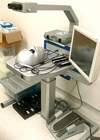
"Please don’t move” is a common phrase I have heard whilst shadowing in theatres as the ophthalmologist contends with the eye of a patient looking around and tilting their head during surgery. As the average corneal diameter is approximately 12–12.5mm and the lens diameter ranges from 8.54–9.70mm [1], miniscule movements can have a major impact on procedural complications.
Keeping the patient awake during operations reduces the risks associated with general anaesthetic, however, cooperation with the surgeon is a paramount trade-off. This article will discuss strategies to improve surgeon-patient communication during cataract surgery as an example of how to minimise eye surgery complications in the awake patient.
Throughout my training, I have noticed that patients tend to move when they are anxious. Therefore, reducing this anxiety seems a reasonable strategy to prevent movement during the operation. In general, patient understanding significantly impacts anxiety during procedures in a medical setting [2]. Sources of stress include pain, anxiety, an unfamiliar environment and fear [3]. Reassurance during preoperative assessment, preoperative anaesthesia and surgery are key time points for reducing patient stressors.
Initially, providing information – using lay terminology and in a language the patient can understand – during preoperative assessments through leaflets, videos and face-to-face conversations significantly reduces anxiety on the day of the operation [2]. Discussing health comorbidities, anxiety and claustrophobia may alert the operating team to specific needs and allow for planning to mitigate stressors based on these individual factors. Furthermore, support from former patients and listening to familiar or calming music in the anaesthetic room are strategies that have been shown to decrease anxiety [4].
Cataract surgery presents specific challenges such as claustrophobia and distressing visual sensations throughout the procedure [5]. As the drape is placed over the patient’s head in close proximity to the nose, a common complaint is the sensation of being unable to breathe. Hand-holding has demonstrated efficacy in reducing anxiety during the operation [6]. In this single-centre randomised control trial involving 62 patients undergoing cataract surgery, 96.7% reported reduced anxiety in the hand-holding group compared to 71.8% of control patients. Patients have reported similar effectiveness with an electronic patient alert device [7]. In this trial of 150 patients, the majority expressed that they were “not at all” anxious during the procedure, and most felt confident they could communicate with the surgeon and understood what was occurring. Interestingly, there was a significant correlation between the ability to communicate and the pain experienced during the procedure, as well as the anxiety felt during the surgery and postoperative pain. While this device is effective for many patients, a tactile device was preferred by 40% of 50 patients in one unit [8]. It was particularly beneficial for those with hearing loss and poor grip strength.
While strategies have been developed to help patients alert their surgeons to various issues during surgery, research in other areas of medicine that involve procedures on awake patients has demonstrated that communication between the surgeon and the patient throughout the operation is crucial for reducing stress. In this study by Keylay T, et al. of patients in the coronary catheter lab, various themes of communication were emphasised [9]. Using a professional and reassuring tone of voice helped to put patients at ease. Communicating while multitasking reassured the patient that the clinician was attentive to them. Ongoing interaction throughout the procedure – ensuring a response to the patient when they express concerns, as well as connecting through conversation – created a sense of comfort.
"The most important consideration is ensuring that the patient has the opportunity to raise concerns at any point"
While conversing with patients during eye surgery may be impractical, anticipatory reassurance is recommended by considering what the patient might be thinking about as you operate and speak to them [10]. Pre-emptively warning them about particularly critical aspects of the operation, using layman’s terms, encourages them to stay still during these phases. Especially in cataract surgery, informing patients about reduced visual acuity and the need to focus on the centre of the light during the procedure is particularly important. Similarly, general healthcare communication techniques must not be forgotten in the eye theatre. Strategies such as medical interpreters and hearing / communication aids are a couple of examples of historical strategies that have been implemented to improve patient communication.
I have seen examples of excellent communication as well as areas for improvement during my time shadowing in ophthalmology, and the anxiety expressed by patients could be directly related to this. Shadowing preoperative consent and assessment highlighted the importance of not only explaining the risks of the procedure but also the consequences of inaction. While the surgeon may be keen to offer surgery, it may not always be in the patient’s best interest. As a consequence, patients may feel uncertain about their operation when rushing through consent forms, inadequately answering questions, and overlooking possible complications.
Additionally, providing a point of access for patients between preoperative assessment and the day of surgery allows them the opportunity to explore their concerns more thoroughly. During the procedure, strategies such as reintroducing yourself to the patient and talking them through the operation while explaining how they may feel throughout the process greatly enhance cooperation.
Given that the operating theatre is an adaptable environment and not all the above strategies may be practical, it is vital to prepare the patient’s expectations preoperatively. The most important consideration is ensuring that the patient has the opportunity to raise concerns at any point. In the future, standards of practice for communication during surgery should be implemented throughout training programmes, including practice in simulated environments.
References
1. Brar VS. 2022-2023 Basic and Clinical Science Course, Section 02: Fundamentals and Principles of Ophthalmology USA; American Academy of Ophthalmology; 2022.
2. Ley P. Communicating with Patients: Improving Communication, Satisfaction and Compliance. London, Croom Helm; 1988.
3. Nijkamp MD, Ruiter RA, Roeling M, et al. Factors related to fear in patients undergoing cataract surgery: a qualitative study focusing on factors associated with fear and reassurance among patients who need to undergo cataract surgery. Patient Educ Couns 2002;47(3):265–72.
4. Astbury N. A hand to hold: communication during cataract surgery. Eye (Lond) 2004;18(2):115–6.
5. Tan CS, Au Eong KG, Kumar CM. Visual experiences during cataract surgery: what anaesthesia providers should know. Eur J Anaesthesiol 2005;22(6):413–9.
6. Moon JS, Cho KS. The effects of handholding on anxiety in cataract surgery patients under local anaesthesia. J Adv Nurs 2001;35(3):407–15.
7. Mokashi A, Leatherbarrow B, Kincey J, et al. Patient communication during cataract surgery. Eye (Lond) 2004;18(2):147–51.
8. Cackett P, Ryan F, Dhillon B. Patient alert system: the Edinburgh experience. Eye (Lond) 2005;19(9):1023–4.
9. Kelay T, Ako E, Cook C, et al. Physician-patient interactions and communication with conscious patients during simulated cath lab procedures: an exploratory study. BMJ Simul Technol Enhanc Learn 2018;5(1):15–21.
10. https://eyerounds.org/tutorials/Communication
-Cataract-Surgery.htm#gsc.tab=0
[Link last accessed August 2025]
Declaration of competing interests: None declared.