You searched for "learning"

3209 results found

Rebamipide 2% for dry eye

Rebamipide is a quinolinone derivative that has been found to increase mucin production and the number of conjunctival goblet cells. A previous phase two study has shown rebamipide 2% to be better than placebo in improving the ocular surface and...

Plymouth VCHP celebrates six months of clinics

Shared space with a GP surgery, in a dedicated outreach centre, has proved to be a great success for the Plymouth VCHP clinic. Located within the Shekinah Centre in the Stonehouse Creek area, the clinic is within an area with...
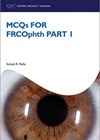
MCQs for FRCOphth Part 1

The FRCOphth Part 1 is the first of the fellowship examinations set by the Royal College of Ophthalmologists. It is considered one of the hardest and challenging examinations focusing on the theoretical knowledge of the learning outcomes set in the...


Use of AI apps in providing information about paediatric ophthalmology

The authors evaluated the reliability and accuracy of responses given by 3 AI apps to questions related to paediatric ophthalmology. One-hundred multiple choice questions specific to paediatric ophthalmology were selected from the OphthoQuestions questionnaire bank (4551 questions on this platform)....

Development of retinoblastoma services in Zimbabwe

Zimbabwe recognised the need for a paediatric ophthalmology service almost 20 years ago. The economic uncertainty in the country made it difficult to secure financial support, so initial funding came through local donors. Equipment – including vision charts, ophthalmoscopes and...

In conversation with Charles Leclercq (ARxVision)

Julian Jackson (Founder and Director, VisionBridge) spoke to Charles Leclercq (CEO, ARx) about the ARxVision, a wearable device that captures the world around us through audio and artificial intelligence to empower blind and low-vision individuals. You can read the Eye...

Developments in retinal pigmentation measurement and the hopes of an equitable future

Our AI & Oculomics co-editor, Nima Ghadiri, sat down with Abraham Olvera-Barrios from Moorfields and Anand Rajesh from the University of Washington to discuss their recent international study into retinal pigmentation and its wider clinical, technological and academic applications. Can...

Getting the Duke Elder examination right: reflections and tips from a medical student

The Duke Elder undergraduate prize examination is an annual exam organised by the Royal College of Ophthalmologists in the United Kingdom. Named after Sir Stewart Duke Elder, a prominent British ophthalmologist, the exam is designed to encourage undergraduate medical students...

VISION 2020 LINKS: Retinoblastoma 
in Africa

The VISION 2020 LINKS Programme is part of the ‘VISION 2020: The Right to Sight’ global initiative to eliminate avoidable blindness [1]. The LINKS Programme works with overseas eye departments to help identify priorities and match their priority needs with...

It’s Friday, I’m In Love: Pete’s Hidden Curriculum Part 3

“When you’re in love, it’s the most glorious two-and-a-half days of your life.” - Richard Lewis [1]. The good news is that we are over the hump now and past the most depressing day of the year, which is known...

Implementing technology to improve global eye health

Technological innovation is providing new solutions to transform global eye health [1–5]. In particular, research towards the development of artificial intelligence (AI) tools in ophthalmology has gained pace in recent years. However, there has been little research relating to its...

Communication in ophthalmological surgery: Perspectives from an observer

"Please don’t move” is a common phrase I have heard whilst shadowing in theatres as the ophthalmologist contends with the eye of a patient looking around and tilting their head during surgery. As the average corneal diameter is approximately 12–12.5mm...