You searched for "ophthalmoplegia"
Significant associations to presence of significant retinal haemorrhages in suspected child abuse
The authors aimed to extract statistically significant associations between non-ocular clinical and diagnostic imaging findings and the presence of significant retinal haemorrhages, and then develop an evidence-based screening algorithm to determine when to consult an ophthalmologist in suspected child abuse...Oxford Ophthalmological Congress (OOC): Invitation to Tender Services for Conference Organisation and Event Management
After successfully attaining CIO status in 2019 the Council of the OOC is reviewing contracts with all service providers.Moorfields: Eye emergencies for the non-ophthalmologist Oct
Moorfields: Eye emergencies for the non-ophthalmologistMoorfields Education Eye emergencies for the non-ophthalmologist
Ophthalmological presentations account for a significant number of cases in both general practice and accident and emergency, and prompt identification and treatment can prevent irreversible sight loss. The proportion of A&E attendances having eye problems may be as high as...
Perspectives on sustainability in ophthalmology
This was a prospective study of a multi-item survey aimed to assess and analyse patients’ perception of sustainability and the role of healthcare in general, and ophthalmology in particular. Levels of agreement were measured using a Likert scale. 105 patients...The African Ophthalmology Council: Driving excellence in African eye health
Have you been wondering about how you can impact, or even just understand, the eyecare landscape in Africa from those who experience it daily? Ever wondered about which one body brings all eye health professionals in Africa together, united in...
Association between neuro-ophthalmology signs and chronic ataxia in children
Neuro-ophthalmological signs (N-OS) occur commonly in children with chronic ataxia. This study describes the N-OS and their frequencies, in general and by specific disease aetiology in paediatric patients with chronic ataxia. In total, 184 patients under the age of 17...Upcoming webinar: COVID-19 Clinical Experience and Impact in Ophthalmology
Alimeria Sciences and Heidelberg Engineering are to jointly host a webinar to discuss the RCOphth COVID-19 guidelines.100% Ophthalmology 2027
100% Ophthalmology / 100% Optical Tradeshow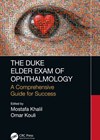
The Duke Elder Exam of Ophthalmology: A Comprehensive Guide for Success
The Duke Elder Exam is an annual competitive national undergraduate exam organised by the Royal College of Ophthalmologists. This two-hour exam consists of 90 multiple-choice questions (MCQs) and examines clinical ophthalmology, ocular physiology, anatomy, pathology, genetics and socio-economic medicine related...