
You searched for "examination"
Q&A: Mr Goel and Mr Loomba on alcohol delamination and phototherapeutic keratectomy (PTK) for the treatment of recurrent corneal erosion syndrome
Recurrent corneal erosion syndrome is a common, recurrent condition caused by abnormal epithelial adhesion to the underlying basal lamina. Spontaneous breakdown of the corneal epithelium can lead to the sudden onset of ocular pain, blurred vision, tearing and photophobia, typically...The International Council of Ophthalmology: what is it and is it useful for UK ophthalmologists?
ICO Director for Examinations and Assessments, Simon Keightley, explains the history and role of the organisation today, as well as outlining recent changes to the ICO examinations. The International Council of Ophthalmology (ICO) is the only international medical specialty organisation...Progressive myelination of the retinal nerve fibre layer: Acquired or incidental?
*Co-first authors.Myelinated retinal nerve fibres are retinal nerve fibres encased by a myelin sheath, located anterior to the lamina cribrosa [1]. First described by Virchow in 1856, a myelinated retinal nerve fibre layer (RNFL) appears as a whitish, feathery patch...Dramatic myopic shift due to epithelial basement membrane dystrophy
Epithelial basement membrane dystrophy (EBMD), also known as map-dot-fingerprint dystrophy, is a common anterior corneal disorder affecting approximately 2% of the population [1]. It is characterised by the abnormal maintenance of the basement membrane, resulting in protrusions into the epithelium....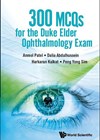
300 MCQs for the Duke Elder Ophthalmology Exam
The Duke Elder undergraduate prize examination is held by the Royal College of Ophthalmologists annually for undergraduate medical students. It is a competitive examination covering clinical ophthalmology as well as the ocular basic sciences, optics, statistics and socio-economic medicine. For...“I can see fine. Why do I need my eyes tested?”
Are routine eye examinations really necessary? The author asks whether frequent appointments in low-risk patients with normal results are actually cost-effective. It’s recommended that most people should get their eyes tested every two years.” [1] This message is widely publicised...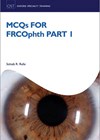
MCQs for FRCOphth Part 1
The FRCOphth Part 1 is the first of the fellowship examinations set by the Royal College of Ophthalmologists. It is considered one of the hardest and challenging examinations focusing on the theoretical knowledge of the learning outcomes set in the...The screening and treatment of retinopathy of prematurity
A male child is born at 31 weeks and requires 100% oxygen supplementation with intensive care. What would be the ophthalmic management of this child? In the first instance, it will be useful to know the screening criteria and protocol....Orbis achieves WHO trachoma elimination threshold in Sheka Zone, Southwest Ethiopia
Ahead of World Neglected Tropical Diseases (NTD) Day on 30 January, international eye care charity Orbis has announced that it has achieved the World Health Organisation (WHO) threshold for eliminating trachoma as a public health concern in Sheka Zone, Southwest...


