
You searched for "infections"

Ptosis procedure compared to upper blepharoplasty on dry eye syndrome
In this prospective, comparative case series, the authors compare the effect of combined blepharoplasty and Muller muscle conjunctival resection (MMCR) to an upper blepharoplasty in dry eye syndrome. The study was approved by the local institutional review board and participants...
Comparison of vertical rectus muscle transpositions
The purpose of this study was to evaluate both the amount of correction obtained and the postoperative drift that occurred with two frequently used vertical rectus muscle transposition (VRT) procedures to determine the ideal immediate postoperative alignment. Twenty-seven patients underwent...
OCT findings after strabismus surgery for macular, choroidal and nerve fibre thickness
This study used OCT to investigate the changes in the central macular thickness, subfoveal choroidal thickness (SFCT) and retinal nerve fibre layer (RNFL) after horizontal rectus surgery for patients with strabismus. This was a retrospective study and patients were grouped...
Corneal and astigmatic changes after medial rectus recession surgery of 6mm
This study prospectively compared changes in astigmatism before and two months after unilateral recession of medial rectus muscles using Pentacam. The fellow unoperated eye was used as the control eye. The study included 66 eyes and 33 patients; 21 males,...
Ocular Pathology, 9th Edition
For anyone delving into the complex and fascinating world of ophthalmic diseases, Ocular Pathology, 9th Edition by Myron Yanoff and Joseph W Sassani is an essential companion. This book continues its 50-years legacy as a reliable resource for understanding pathophysiology,...Haag-Streit UK appoints a new Clinical Training Manager
Haag Streit UK is pleased to announce the appointment of Doreen Agyeman in the role of Clinical Training Manager.Moorfields: The consultant interview course
The Moorfields Consultant Interview course is intended for trainees seeking their first consultant position and is taught by senior consultants with extensive NHS experience.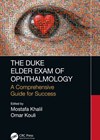
The Duke Elder Exam of Ophthalmology: A Comprehensive Guide for Success
The Duke Elder Exam is an annual competitive national undergraduate exam organised by the Royal College of Ophthalmologists. This two-hour exam consists of 90 multiple-choice questions (MCQs) and examines clinical ophthalmology, ocular physiology, anatomy, pathology, genetics and socio-economic medicine related...


