
You searched for "Refraction"
Ultra-widefield imaging in glaucoma: Documenting hypotony-related choroidal effusions after microshunt surgery
Ultra-widefield (UWF) imaging provides extended visualisation of the posterior segment beyond the traditional 30–50° field of view. It captures a broad view of the posterior pole and periphery in a single, quick, non-mydriatic acquisition. While its role in diabetic retinopathy...Code-Free Deep Learning: a step into the future of ophthalmology
A new focus has arisen within the research domain of artificial intelligence (AI) in healthcare called code-free deep learning (CFDL), and recent research demonstrates that ophthalmology is becoming one of the leading specialties in this field. Artificial intelligence (AI) is...The importance of ‘hands-on’ learning
Providing ongoing professional education and development for the allied professions out of the clinic or hospital setting is often quite challenging. The reorganisation of rotas, heavy clinic lists and financial constraints all add up to making the opportunity to learn...GDPR, email and private practice
A new set of data protection regulations became law in the EU (including the UK) in May 2018. General Data Protection Regulation (GDPR) replaces the 1988 Data Protection Act. The regulation brings new rights and expectations about how our personal...Vision Buddy: A sight enhancement wearable to enhance TV and computer viewing
This review of the Vision Buddy system continues our recent series on wearable assistive technology. The main component of the Vision Buddy system is a VR-type headset, designed to assist users with a range of tasks primarily within the home...Immunoglobulin G4-related ophthalmic disease – what is it? (Part 2)
Part 2: Clinical presentation and treatment (see part 1 here) Introduction IgG4-related disease (IgG4-RD) is understood to have a vast clinicopathological spectrum; nearly every organ has had reported involvement. Similarly, IgG4-related ophthalmic disease (IgG4-ROD) is known to affect nearly every...Preventing blindness from diabetes: planning a programme of service development and research across Malawi
In sub-Saharan Africa 19.4 million people have diabetes; this is projected to rise to 28.6 million by 2030 [1]. Sight loss from diabetes devastates the lives of working people, affecting the financial stability of the families and communities who depend...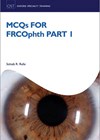
MCQs for FRCOphth Part 1
The FRCOphth Part 1 is the first of the fellowship examinations set by the Royal College of Ophthalmologists. It is considered one of the hardest and challenging examinations focusing on the theoretical knowledge of the learning outcomes set in the...Virtual reality pupil assessment software
For Oct/Nov 2021 we review a virtual reality (VR) solution for training and assessing pupil function. Different types of VR exist, and the application described here is used on the Oculus Quest or Pico headsets. The user wears a headset...The bionic eye – behind the headlines
Multiple visual prosthetic projects and other vision regeneration initiatives being tested in preclinical and clinical development worldwide illustrate continuing progress and opportunities in addressing profound blindness from hereditary retinal diseases and other causes (Table 1). Three implantable bionic vision systems...
Masked bilateral SO palsy
This study examined the occurrence of masked bilateral superior oblique (SO) palsy with contralateral inferior oblique (IO) over action requiring further surgical intervention in children undergoing unilateral IO weakening surgery for presumed unilateral SO palsy. This retrospective study included 50...


