

Ophthalmology
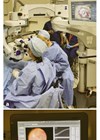
Gene therapy for inherited retinal disease: the Manchester Ocular Gene Therapy Group MDT service
The authors describe the process set up in Manchester for the optimum delivery and assessment of a new gene therapy treatment for patients with RPE65 IRD. Inherited retinal dystrophies (IRDs) are the second commonest cause of severe visual impairment in...
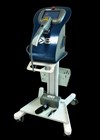
Effective management of dry eye and ocular surface disease
Experts recommend a consistent approach to diagnosis, therapeutic targeting by disease subtype and escalation of therapy when tear substitutes are not sufficient. Experts call for a consistent, unified approach to diagnosis of dry eye disease (DED), with a new simple...
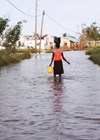
Sustainability in eyecare: Climate action in eyecare
Climate change will cause disruption to critical eyecare services and increases in rates of eye disease around the world. The International Agency for Prevention of Blindness has recommended 10 key areas of action on how the eyecare sector can address...
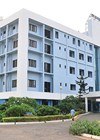
Sustainability in eyecare: Aravind Eye Hospital’s low carbon eyecare system
The field of healthcare has a substantial impact on the environment as it is responsible for 5-10% of greenhouse gas emissions and 9% of air pollutant generation [1]. Surgery is associated with the rapid consumption of single-use products and waste...

My top five Instagram accounts to keep your scrolling educational
There’s no denying that now, more than ever, we are better connected to our electronic devices; 24/7, around the clock. The phenomenon of ‘Zoom’ and ‘Microsoft Teams’ is shaping the future of medical education, national trainee recruitment and conference access....

Sustainability in eyecare: Intraocular gases and the climate emergency
In 2020 the NHS became the first national health system to commit to delivering ‘net zero’ carbon emissions by 2040. The author investigates how the impact of ophthalmic surgery can be reduced. Medical gases have been used in ophthalmic surgery...

My work experience with Great Ormond Street Hospital Young Persons’ Advisory Group for Research
For my school work experience I had the amazing opportunity to attend and work with the Great Ormond Street Hospital (GOSH) Young Persons’ Advisory Group for research (YPAG) (Figure 1). The GOSH YPAG is a group of young people aged...
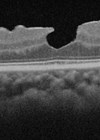
A new observation point: updating the nomenclature and classification with OCT
The evolution of ophthalmic imaging technologies has been particularly rapid over the last few years. The author provides an update of the current terms for common signs and pathologies observed using optical coherence tomography. My experience as an ophthalmic technician,...
Ophthalmology Foundation: a promising new beginning
The world’s leaders in ophthalmology have created the new Ophthalmology Foundation, to make prevention of blindness and maintenance of high quality vision accessible to people of all nations. Board of Directors President David EI Pyott explains their vision for the...

My ophthalmic elective: focusing on myopia in Taiwan
The authors describe their elective experience and delve further into high myopia, an emerging ophthalmic disease that is increasingly recognised in and outside Asia. The medical school elective programme presents an opportunity for students to conduct learning in their chosen...

My ophthalmic elective: Lerdsin Hospital, Thailand
My decision to undertake elective in Thailand was made to help broaden my horizons on ophthalmic conditions and practices. Additionally, I hoped to improve my Thai medical vocabulary to communicate with Thai patients fluently. As I got an opportunity to...

The implementation of postoperative day 1 vitrectomy telephone follow-up consultations
In this pre-COVID-19 study, the authors argue that some follow-up consultations can be done by telephone without compromising patient safety. Thirty years ago, a study by Isernhagen et al. [1] found that 52% of patients required some form of unexpected...


