Diabetic retinopathy (DR), a microvascular complication of diabetes mellitus (DM), is a leading cause of preventable vision loss and blindness in people of working age globally [1]. Diabetic retinopathy is a disease of public health importance in Nigeria as it is in other low- to middle-income countries (LMICs).
The Nigerian Blindness and Visual Impairment Survey showed that 20.5% of people with DM in the country had DR, and 10% were at risk of sight loss [2]. A systematic review and meta-analysis of pooled data revealed 21.3% prevalence of DR in Nigeria [3]. In a tertiary hospital-based study in Calabar, Nigeria, the prevalence of DR in the diabetes clinic was found to be 26.5% with sight-threatening diabetic macular oedema (DMO) affecting 18.5 % of the study population [4].
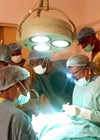
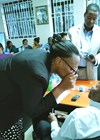
The VISION 2020 LINKS & Networks Programme was set up to drive change through a process of north-south and south-south cooperation and partnership which includes a shared learning across both countries [5]. The networks offer sustained technical support and facilitate training among the various cadres of healthcare professionals and stakeholders. Some of the training activities include regular clinical meetings, DR grading grand rounds and several other initiatives. Our institution has hosted three multidisciplinary LINK team training visits, including hands-on surgical training and periodic telemedicine clinical meetings. This has improved service delivery, strengthened capacity and infrastructure and served as a tool for advocacy to improve the management and prevention of vision loss from DR.
The Calabar-Wolverhampton VISION 2020 LINKS partnership between the University of Calabar, The University of Calabar Teaching Hospital (UCTH) and the Royal Wolverhampton NHS Trust commenced in 2013. In 2014, the LINK was one of two Nigerian LINKS invited, with their UK partners, to the Diabetic Retinopathy Network (DR-NET) planning workshop held at Heathrow, UK. This was the first DR-NET meeting in which 13 other institutions attended to share learning in the area of establishing DR services. It was in this meeting that the initial blueprint for our city-wide DR screening and integration of DR into DM services was produced, creating a one-stop, patient-centred service model for a population of 370,000 at the time.
Standard of care before the partnership
Before the commencement of the LINK partnership and joining the DR-NET partnerships, DR screening in Calabar was haphazard, opportunistic, inadequately resourced and accessed only by patients who presented with symptoms in the eye clinic. There was no standard DR screening pathway for DM patients and no guideline or uniform protocols. Screening services were offered by ophthalmologists, and this meant most patients presented with advanced diabetic eye disease.
Benefits of partnerships and collaborations
The development of a medical retina service with the setting up of the diabetic retinopathy screening at UCTH/LIONS Diabetes Centre was one of the first priorities of the VISION 2020 LINKS and DR NET collaboration. The service has now provided regular, systematic screening for persons living with DM in Calabar, with a total of 5677 patient screening contacts – 30 to 50 patients being treated for sight- threatening DR monthly – between 2015 and 2025.
The service has been sustained by the setting up of an electronic DM register and a call-and-recall system. This is facilitating early detection of DR with timely interventions and referrals, contributing to improved patient outcomes for those with sight-threatening DR along with increased service uptake and coverage.
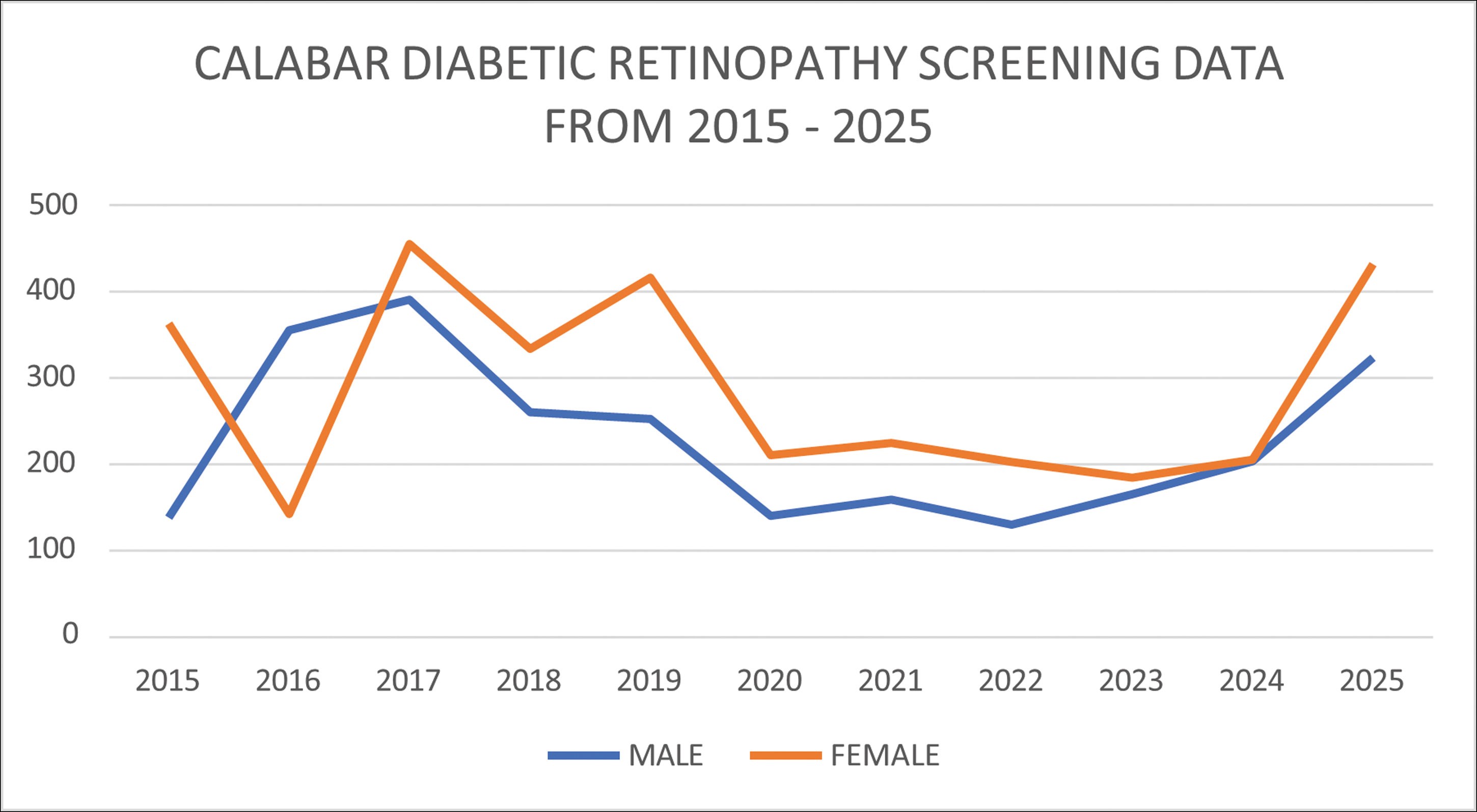
Figure 1: Calabar diabetic retinopathy screening data, 2015–2025.
By December 2025, 11 years after the initial service commenced, a second DR screening centre has been established in the University of Calabar Medical Centre. This will provide coverage for the university community and its environs, making screening more accessible and decentralised. The establishment of this second centre has been made possible by the donation of another fundus camera by our VISION 2020 LINK partners in Wolverhampton, UK.
At the commencement of the collaboration, five screeners/graders were trained by the University of Gloucester, UK, with funding and support from the DR-NET.
The Gloucester group has continued to provide mentorship, coordination and technical support to both the Calabar and the Lagos programmes. One ophthalmic instrument technician has also been trained, however three of the screeners/graders have relocated to other cities. A local and online training for 32 screeners (medical assistants, ranging from optometrists and nurses to administrative staff) was performed in 2024 in collaboration with the University of Bonn, Germany. These screeners were trained in smartphone fundus photography for outreach DR screening services.
The Calabar-Bonn Research Partnership commenced in 2022, between the UCTH and the University Eye Hospital, Bonn, Germany. The first research project was titled ‘Automated detection of diabetic retinopathy from smartphone fundus videos’. The rationale was based on the fact that a vast number of people use smart phones on daily basis and this use could be extended for DR screening with the attachment of an adapter. For this project, the ‘paxoscope’ adapter was used in acquiring fundus images and videos.
Calabar smartphone fundus photographs
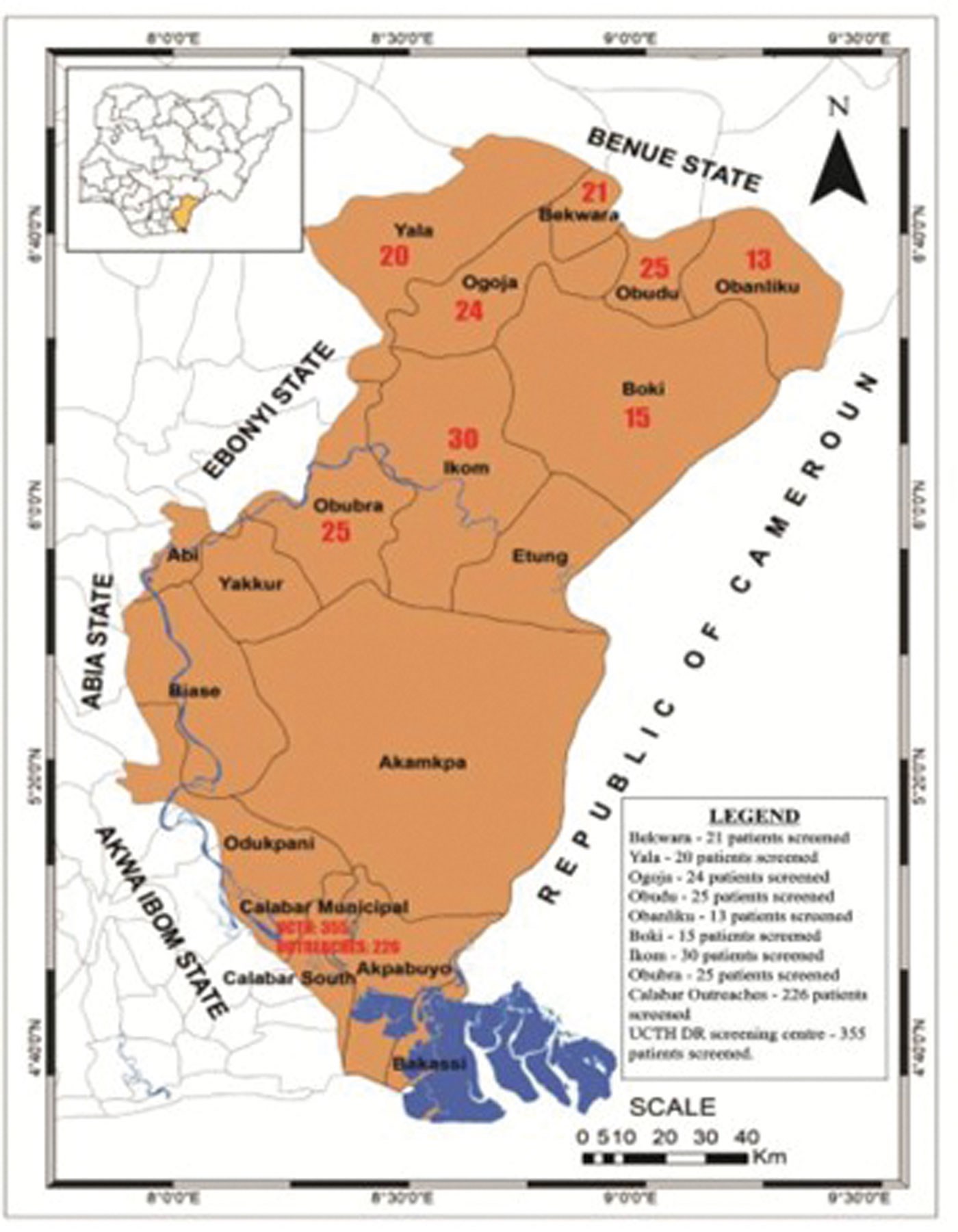
In 2025, outreach smartphone DR screening services was piloted working with the trained medical assistants. Two-hundred-and-twenty-six DM patients were screened in nine local government areas, covering both urban and rural settings. The main aim was to test the feasibility of using smartphones, with the appropriate adaptor for DR screening. The initial observation is that the portable nature of the screening equipment allows DR screening to be performed in the far-flung rural communities of Cross River State, Nigeria, where conventional fundus cameras cannot be moved to. The absence of regular electricity supply in these rural health centres did not affect DR screening. All outreach DR screening was performed with telemedicine grading, enabling subjects to get on-the-spot grading outcomes and recommendations. The next phase of the research project is to compare picture quality and screening outcomes using conventional fundus photography and smartphone photography. For low-resource settings, this method of taking eyecare to the community may be one of the ways to facilitate access to DR screening and referrals.
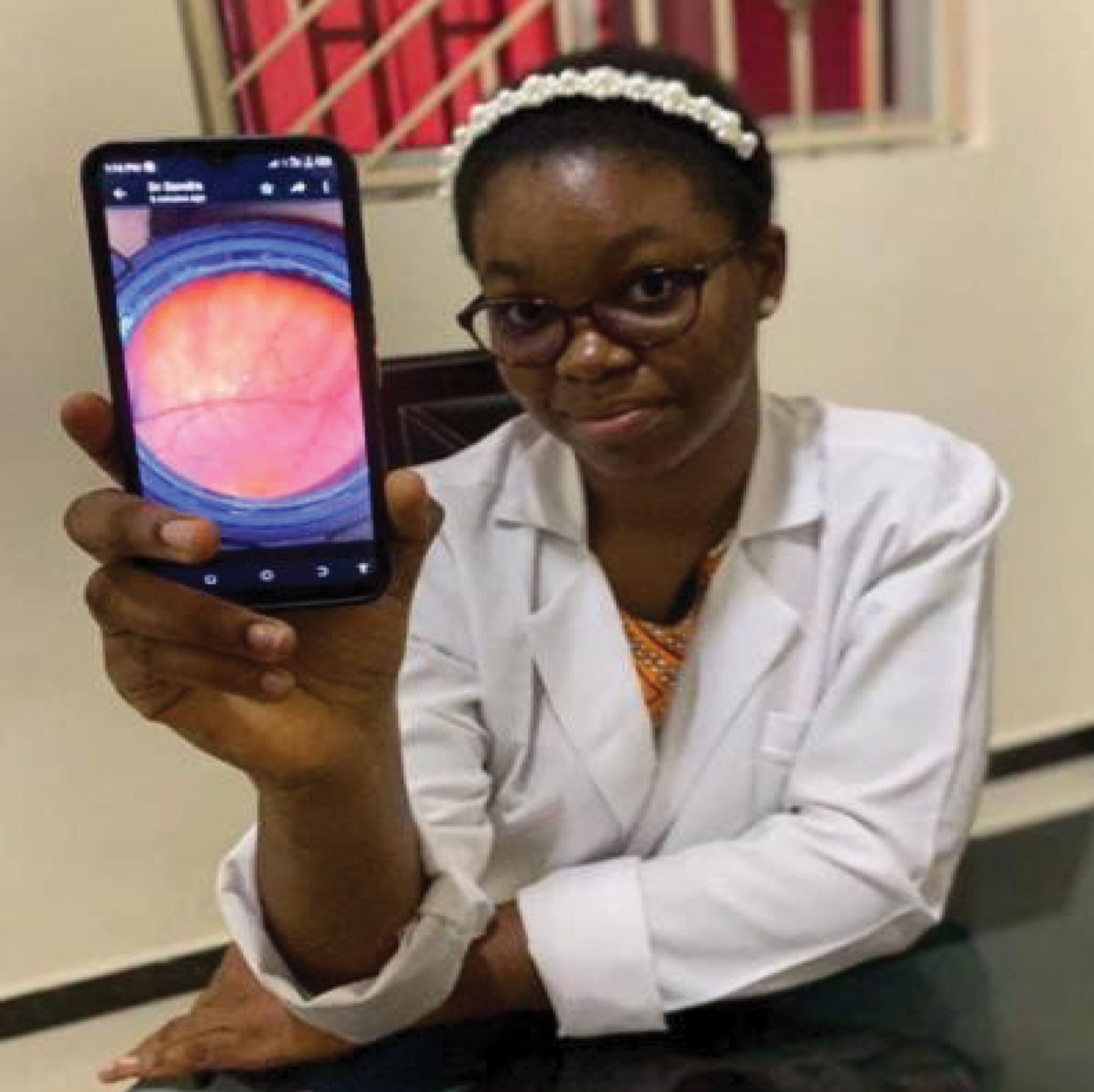
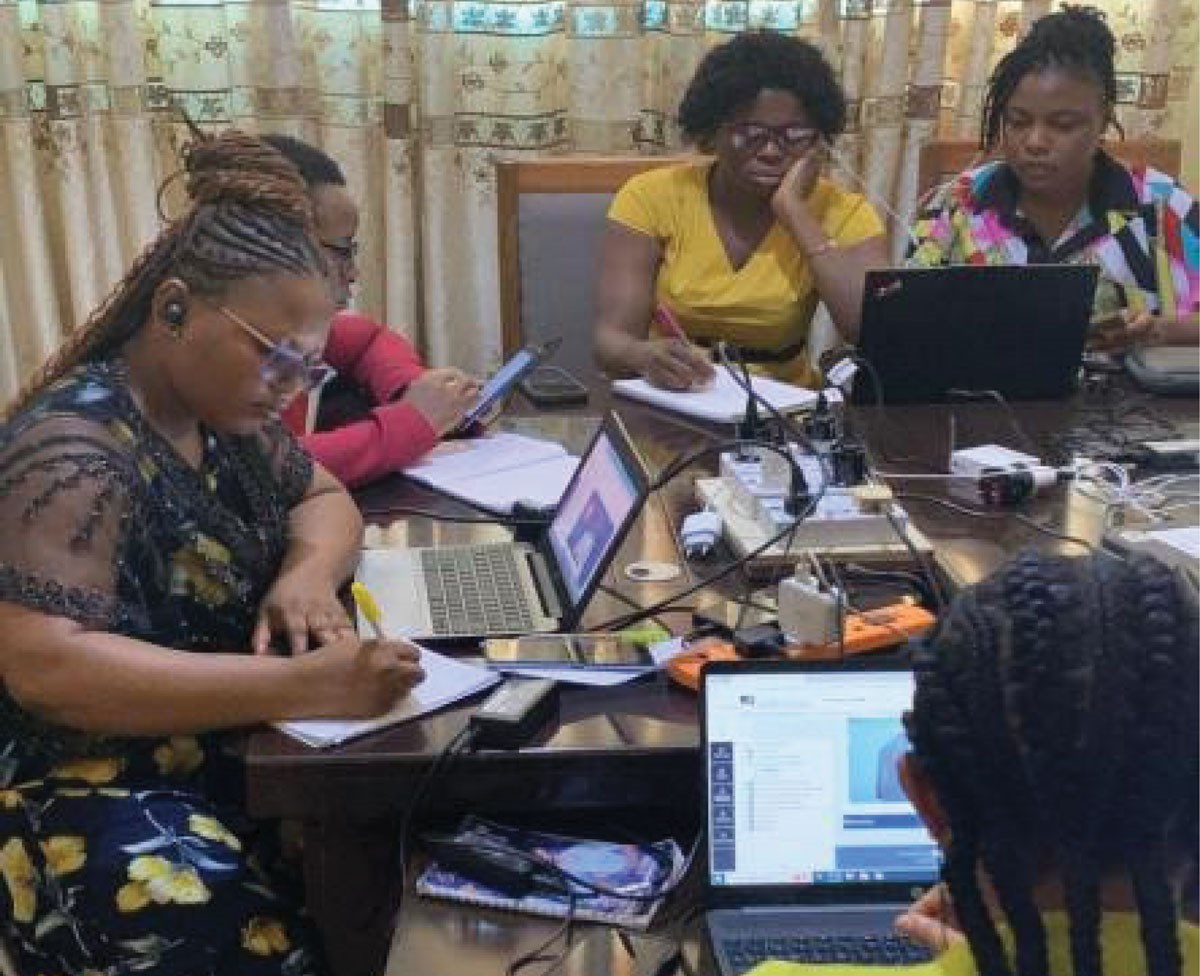
Figures 2a and 2b: Training of screeners in smartphone fundus photography.
Laser training course
A three-day posterior segment laser ‘training of trainers’ (TOT) course was conducted with the support of the LINKS programme and the DR-NET. This delivered hands-on training of seven trainers on posterior segment lasers, a major treatment option for proliferative DR especially in low-resource settings.
Human resource development and capacity building
Three ophthalmologists in the UCTH/LIONS Diabetes Centre had clinical training and fellowships in medical retina with funding from the Commonwealth Eye Health Consortium. Since then, the centre has been accredited by the West African College of Surgeons for the medical retina training fellowship. Two ophthalmologists in the centre have completed the Korle Bu/West African College of Ophthalmology Medical Retina training programme. This has positioned the centre not just for service delivery but as a training resource for the country. More support and equipment upgrades are needed to support this new responsibility. Already the unit is offering training opportunities for fellows, residents and other healthcare professionals, enhancing skills in medical retina and diabetic retinopathy screening and management.
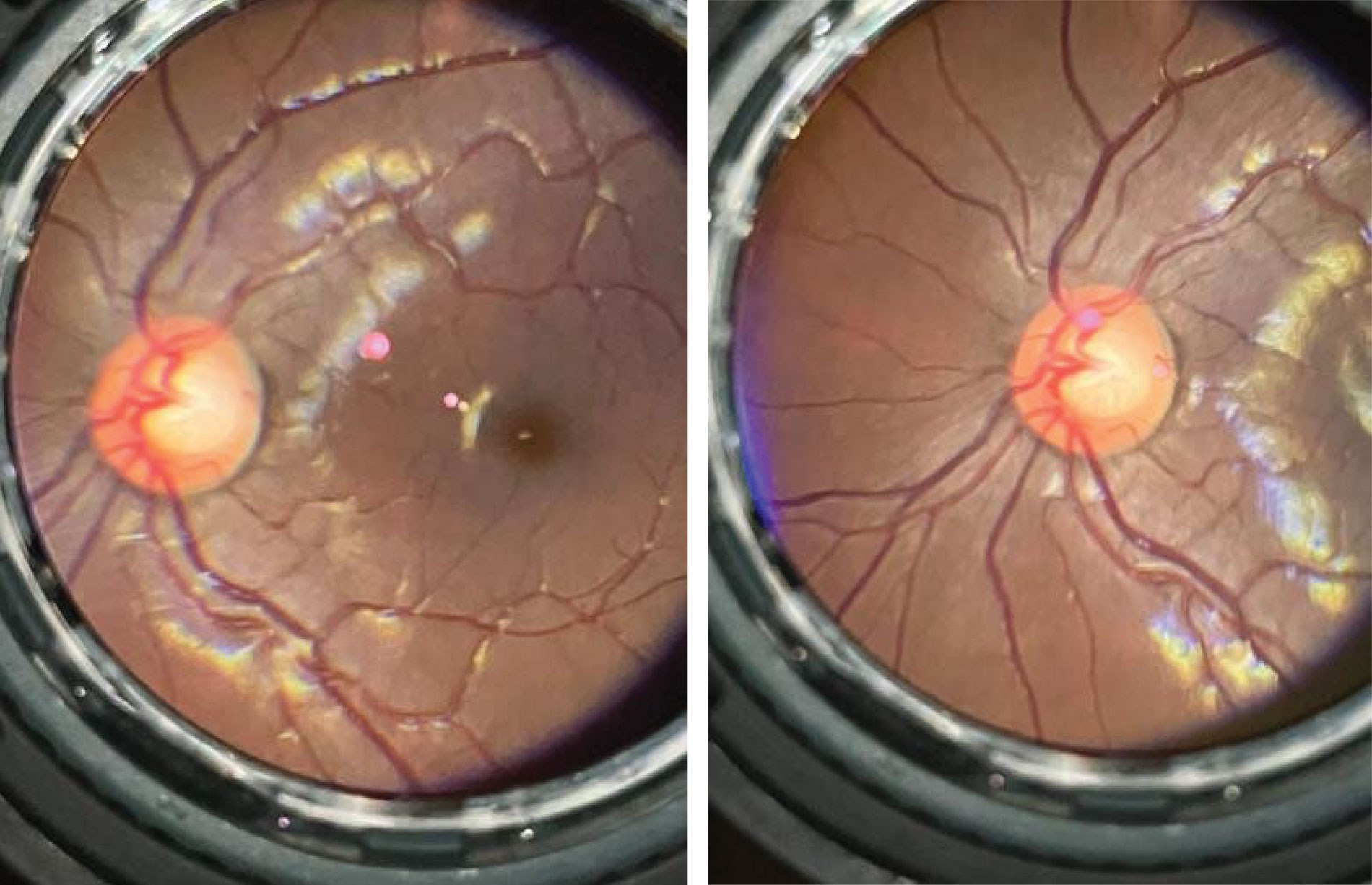
Figures 3a and 3b: Smartphone fundus photographs.
Research output
Five fellowship dissertations in medical retina and endocrinology have been completed within the UCTH/LIONS Diabetes Centre, with two other ongoing fellowship research projects focusing on aspects of DR, including epidemiology, risk factors, economics and management strategies. Several conference presentations and scholarly papers have already been published from the unit’s output [6–9].
Through pioneering the model of integration of services between endocrinology, internal medicine, public health and the DR service, the UCTH has continued to work with local stakeholders and national partners, including the national eye health programme of the Federal Ministry of Health to drive change. The unit is leading the implementation of the national DR screening and management guideline for Nigeria [10]. However, the impact of the service extends beyond patient care, to influencing policy, guidelines and future research directions. Collaborations with national and international partners has greatly strengthened the service’s research capabilities.
Going forward
There is need to strengthen existing partnerships and building new ones within the DR-NET, always working together to set new goals and expand the frontiers of care for the next decade. We have twice yearly workshops which have provided an ongoing opportunity of learning.
There continues to be an acute need for upgrades of equipment and facilities to meet the expanding demands of the new phase of work as a training resource. It is important to apply innovative modalities, including telemedicine and artificial intelligence to enhance sustainability, while extending DR services to the rest of Cross River State. Training and retraining of team members will facilitate efficiency and improve quality of service and outcome.
Conclusion
The UCTH’s DR screening and treatment service demonstrates the importance of multidisciplinary work and shows the value of north-south and south-south collaborations for capacity building and tackling complex health challenges. In the 11 years of the service, the number of people accessing DR screening and referrals services at the UCTH/LIONS Diabetes Centre has increased by about 500%. The service’s influence is affected across disciplines, with collaborations spanning ophthalmology, endocrinology, family medicine and public health. It is a testament to the power of interdisciplinary approaches and integration. As the service continues to grow, it is poised to make further meaningful contributions to the fight against DR.
References
1. Teo ZL, Tham YC, Yu M, et al. Global prevalence of diabetic retinopathy and projection of burden through 2045 systematic review and meta-analysis. Ophthalmology 2021;128(11):1580–91.
2. Kyari F, Gudlavalleti MVS, Sivsubramaniam S, et al. Prevalence of blindness and visual impairment in Nigeria: the national blindness and visual impairment study. Invest Opthalmol Vis Sci 2009;50(5):2033–9.
3. Azeez TA, Adediran OA, Eguzozie EC, Ekhaiyeme E. Prevalence and risk factors for diabetic retinopathy in Nigeria: A systematic review and meta-analysis. Pan Am J Ophthalmol 2021;3(1):17.
4. Agweye CT, Ibanga AA, Udoh ME, et al. Pattern of diabetic retinopathy in a tertiary healthcare facility in Southern Nigeria. Niger J Med 2021;30(5):538–42.
5. https://iceh.lshtm.ac.uk/links
6. Nkanga D, Adenuga O, Okonkwo O, et al. Profile, visual presentation and burden of retinal diseases seen in ophthalmic clinics in Sub-Saharan Africa. Clin Ophthalmol 2020;14:679–87.
7. Zainab DM, Agweye CT, Oguntolu V, Nkanga D. Diabetic retinopathy screening in Calabar, Nigeria: factors influencing referrals and uptake of screening service. Niger J Ophthalmol 2017;25(2):118–22.
8. Etim BA, Nkanga DG, Agweye CT, et al. Knowledge, beliefs, and practices regarding diabetic eye disease among patients with diabetes at the Lions Diabetic Centre, University of Calabar Teaching Hospital, Nigeria. Niger J Ophthalmol 2018;26(2):99–103.
9. Nkanga DG, Agweye CT, Okonkwo ON, et al. Tractional retinal detachment: Prevalence and causes in Nigerians. J West Afr Coll Surg 2023;13(4):58–62.
10. https://osnnigeria.org/wp-content/uploads/
2023/11/Diabetic-Retinopathy-Guidlines.pdf
11. Agweye CT, Udoh MME, Etim BA, et al. Risk factors for diabetic retinopathy in patients with type 2 diabetes mellitus. A hospital-based study. Niger J Vitreoretin Dis 2023;6(2):25–30.
[All links last accessed May 2026]
Declaration of competing interests: None declared.