You searched for "refraction"

Brn3b neuroprotective effect in rat glaucoma model
An adeno-associated virus-directed overexpression of the Brn3b protein in hypothesised to confer neuroprotective effects in this paper. This is ultimately tested in a well-accepted rat glaucoma model (Morrison’s model: saline injection into episcleral veins of rat eyes with a force...Vision for the future: Changes to Glaucoma UK’s research programme in 2025
Glaucoma UK is excited to announce a new, reshaped Research Grants Programme for 2025. Set to open in January, this programme aims to support innovative research to improve the understanding, treatment, and care of glaucoma. Alongside opportunities for researchers at...EQUALeyes: Illuminating insights into using health data, AI and inclusion
Reflecting the Bloomsbury Festival theme of Human.Kind, and current public conversations on the benefits and potential threats of AI, we bring together leaders in the field of healthcare AI to discuss key issues, with a special focus on eyes.The College of Optometrists updates its glaucoma higher qualifications to reflect evolving clinical practice
The College of Optometrists has today published updated learning outcomes for the three postgraduate level qualifications. The review included in-depth consultation with representatives from current course providers, subject matter experts, employers, qualification holders and other stakeholders, to evaluate the curriculum...
Using frequency doubling technology perimetry to identify Alzheimer’s disease early
Alzheimer’s disease is widely reported to be associated with deficits in visual function. Visual disturbances include impaired stereopsis, contrast sensitivity and motion detection. Deficits specific to the magnocellular pathway (MGC) have been identified in Alzheimer’s disease. This article compares the...Blind gaming group levels up at five years
A community of gamers with sight loss from across Scotland and Northern Ireland says its network is thriving as it marks its fifth anniversary. Formed during the pandemic lockdown in November 2020, as part of RNIB’s community work, the group...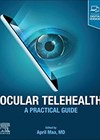
Ocular Telehealth: A Practical Guide, 1st Edition
Ocular Telehealth: A Practical Guide is in its first edition, which is great considering the recent adjustments to practical medical delivery that the COVID-19 pandemic has mandated. Overall, this book is well written in a structured format defining the uses...
Nerve head in healthy humans using OCT-angiography
Optical coherence tomography angiography (OCT-A) is a recent, dyeless, and noninvasive imaging technique for evaluating depth-resolved vascular status by capturing the dynamic motion of the erythrocytes. It provides the flow map of major vessels and capillary plexuses separately in different...
Association between serum levels of testosterone and estradiol with meibomian gland assessments in postmenopausal women
This study aims to reveal any correlation between serum levels of testosterone and estradiol in postmenopausal women with meibomian gland dysfunction. Postmenopausal subjects were defined as amenorrhoea for at least one year with low follide stimulating hormone (FSH) and estradiol....
Does Ozurdex affect perfusion status in vein occlusion?
Ozurdex (intravitreal dexamethasone implant) has been approved by National Institute of Health & Care Excellence (NICE) for treatment of patients with macular oedema associated with vein occlusion. This study looks at the change in peripheral perfusion status in patients with...
OCT choroidal signs for congenital retinal pigment epithelium hypertrophy
Congenital hypertrophy of the retinal pigment epithelium (CHRPE) on ocular coherence tomography (OCT) has the characteristic sign of RPE thickening and hyper reflectivity. However, the underlying choroid characteristics remain under researched. This retrospective study utilised data from an ophthalmic oncology...