
You searched for "paediatric"

Corneal epithelial thickness values in healthy Turkish children
This study aimed to characterise the normative corneal epithelial thickness profile in healthy Turkish children using anterior segment optical coherence tomography (AS-OCT). This was a retrospective cross-sectional observational study of 86 healthy children aged 7–18 years aged 13.3 ±2.8 years....
Normative data values for childhood corneal sensitivity
The authors aimed to establish normative data regarding corneal sensitivity in a paediatric age group. They included 122 right eyes of 122 children with mean age of 11.29 ±4.6 years (aged 5–18 years); 63 female and 59 male. Bilateral corneal...
Management of congenital NLD obstruction
The authors evaluated changes in management of congenital nasolacrimal duct obstruction (CNLDO) by surveying 1495 Association for Paediatric Ophthalmology & Strabismus (AAPOS) members. The survey consisted of 21 multiple choice questions with anonymised return. Responses were received from 127 members...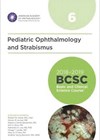
Basic and Clinical Science Course: Pediatric Ophthalmology and Strabismus
The Basic and Clinical Science Course done by the American Academy of Ophthalmology (AAO) is a firm favourite, not just in the US, but across Europe as well. We’ve reviewed a few updates to their series, and I was happy...
Characteristics and incidence of sixth nerve palsy in children with intracranial hypertension
The authors report the incidence and characteristics of sixth cranial nerve palsy in paediatric patients with intracranial hypertension. A retrospective review of records was performed in central Ohio over a three year period and nine children were found to have...
Presentation profile for sports-related ocular injuries
This study sought to examine the initial presentation of sports-related ocular injury in youths presenting to a US tertiary eye centre. This was a retrospective study of cases with a one-year follow-up period. Over a five-year period of 2010-15, 3965...
Changes in parafoveal retinal thickness after bariatric surgery in type 2 diabetics
Bariatric surgery induces an instant normalisation of blood glucose in as many as 80% of patients with type 2 diabetes. It has been previously reported that diabetic retinopathy (DR) is stable within one year after bariatric surgery. In this study,...
Under pressure: intraocular pressure and bariatric surgery
Obesity in the general patient population is increasing. The National Institute for Health and Care Excellence recommends bariatric surgery with body-mass index (BMI) of over 40, or between 35-40 and other significant disease that could be improved with weight loss....
What factors influence attendance at retinopathy of prematurity screening follow-up?
The authors present a retrospective medical notes review of babies attending outpatient appointments for retinopathy of prematurity (ROP) examination, over a 12-month period. The aim of the study was to assess compliance with these appointments at a single centre. Data...SPROGS 2026
Scottish Paediatric Regional Ophthalmologists’ Group 2026 Meeting
Ophthalmic findings following noticeable external injury following forceps delivery
This study prospectively recruited consecutive women following a forceps vaginal delivery of a single foetus in cephalic position over a two-year period. Individual patient consent was waived by the approving body. The neonates received a paediatrician assessment soon after birth....


