
You searched for "VEGF"

The natural history of treatment naïve choroidal neovascularisation (CNV) in geographic atrophy
The aim of this retrospective study is to assess the characteristics and natural history of quiescent CNV in geographic atrophy (GA) utilising multi-modal imaging. Case notes were reviewed of patients diagnosed with geographic atrophy between January 2010 and December 2016...The management of retinal vein occlusions: a summary
Retinal vein occlusions (RVO) are the most common cause of visual loss from retinal vascular disease second to diabetic retinopathy. Vision is lost due to ischaemia, macular oedema and / or haemorrhage which ultimately effects a patient’s quality of life...
ESASO Course Series (Volume 2): Surgical Retina
This book comprises details of symposia / seminars on surgical aspects of retina presented by renowned authorities in ophthalmology from all over the world during ESASOS (European School for Advanced Studies in Ophthalmology) academic activities, which are mentioned in a...
Optical Coherence Tomography: A Clinical and Technical Update
This book is a comprehensive review of the clinical and scientific aspects of optical coherence tomography (OCT). The 255 pages are divided into 11 chapters, each written by a different group of authors. Part I provides viewpoints on the clinical...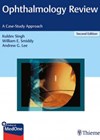
Ophthalmology Review: A case-study approach (Second edition)
Ophthalmology review is a ‘case-driven’ textbook which is aimed at medical students or trainees. It’s quite an inviting textbook – I picked it up and flicked through and felt like this is something I would actually like to read. It...NICE drugs: an update on what’s good to go
Treatment options recommended by the National Institute for Health and Care Excellence (NICE) must be readily available for use in the NHS of England and Wales. This article provides an overview of recent guidance from NICE and summary advice issued...
Does intravitreal bevacizumab help in diabetic retinopathy related vitreous haemorrhage?
This retrospective, interventional case series, aimed to assess the effectiveness of intravitreal bevacizumab (IVB) in vitreous haemorrhage secondary to proliferative diabetic retinopathy. The primary outcome was the rate of vitrectomy (PPV) after IVB, with secondary outcomes the number of IVB...
RPE tears after intravitreal Lucentis
The current hypothesis regarding retinal pigment epithelium (RPE) tears is the contraction and fibrosis in choroidal neovascularisation (CNV) tissue after anti-VEGF therapy can induce rips in the overlying RPE. This South Korean study aimed to identify the association between RPE...
The disease burden of AMD
In this multi-centre, prospective, observational, time and motion study the authors assessed the time burden of managing wet AMD for doctors, staff, patients and caregivers in the USA. The study spanned the period from March 2011 to August 2012, and...
Microvasculature changes of mCNV after ranibizumab treatment using OCTA
In this study the authors aim to evaluate the vascular changes of myopic choroidal neovascularisation (mCNV) after ranibizumab treatment using optical coherence tomography-angiography (OCTA). The 3×3 OCTA en face images were analysed for the absence / presence of mCNV, CNV...


