
You searched for "refractive"
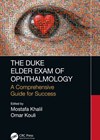
The Duke Elder Exam of Ophthalmology: A Comprehensive Guide for Success
The Duke Elder Exam is an annual competitive national undergraduate exam organised by the Royal College of Ophthalmologists. This two-hour exam consists of 90 multiple-choice questions (MCQs) and examines clinical ophthalmology, ocular physiology, anatomy, pathology, genetics and socio-economic medicine related...
Preoperative RPE alterations in macular holes
This retrospective interventional case series from Japan assessed whether preoperative alterations of the retinal pigment epithelial (RPE) in idiopathic macular holes correlated with postoperative functional and morphological changes in the macula. Fifty-nine eyes had preoperative Spectralis OCT using the ‘detailed’...
Wrong intraocular lens events – what lessons have we learned?
Data from wrong IOL patient safety incidents (PSIs) submitted to the National Reporting and Learning System (2010–2014) were reviewed and scrutinised by thematic analysis and compared with the historical data collected for groups in 2003-2010, prior to the mandatory checklist...
Association between serum 25-hydroxyvitamin D levels and age-related cataracts
Cataractogenesis occurs as a result of ageing, smoking, exposure to UV radiation and genetic predisposition. Antioxidants can reduce the cataract risk as found in animal models and humans and vitamin D is one of them. This epidemiological study based in...
Incidence and risk factors of late in the bag intraocular lens dislocation
The aim of this study was to identify risk factors for late in the bag dislocation over a 21 year period. Worldwide the incidence varies from 0.05% to 3.0%. In this Swedish study they report an increase in incidence in...
Myopic choroidal neovascularisation
This is a review article summarising the latest myopic CNV (choroidal neovascularisation) literature in the clinical experience and management outcomes for recommendation algorithm. The aetiology of the myopic CNV was discussed by the authors under the heading of the heredo-degenerative...
Oral omega-3 fatty acid treatment for dry eye in contact lens wearers
This study evaluates the effect of dietary omega-3 fatty acid supplementation of dry eye symptoms, tear film tests, and conjunctival impression cytology in patients with contact lens wear-associated dry eye. In this randomised double-blind, multi-centred trial, contact lens wearers (n=...
Prostaglandin levels in femto cataract surgery
Following previous reports of pupil size decrease after femtosecond treatment, the authors compare levels of prostaglandins in patients undergoing femtosecond assisted cataract surgery with those having routine cataract surgery. Patients with inflammatory eye disease, previous trauma surgery, age-related macular degeneration...
Outcomes of corneal cross-linking in paediatric patients compared to fellow untreated eyes
This retrospective cohort study evaluated long-term visual, refractive, topographic and safety outcomes of corneal cross-linking (CXL) in patients younger than 18-years-old with keratoconus. The study included all consecutive paediatric patients who underwent epithelium-off CXL treatment for keratoconus at the study...
Evaluation of keratometry with a novel colour LED corneal topographer
The Cassini topographer (i-Optics), which analyses corneal shape based on the reconstruction of specular reflections on 679 coloured LEDs, generates keratometry and is the new machine being compared in this study with other keratometry devices. The prospective comparative study included...
Ocular lubrication versus bandage contact lens in recurrent erosion syndrome (RES)
Twenty-nine patients (eight traumatic, five epithelial basement membrane dystrophy, two idiopathic) were randomised using SPSS to either ocular lubricants or bandage contact lenses (BCLs). Only patients previously treated with ocular lubricants were included. Patients with previous surgery, laser treatment, dry...


