The slit lamp is one of the most vital diagnostic tools in both ophthalmology and optometry. It enables practitioners to examine and capture the anterior and posterior segments of the eye with precision, helping to diagnose a wide range of ocular conditions. The history of the slit lamp shows continuous technological advancement and is shaped by the evolving needs of eyecare professionals, as well as breakthroughs in optical engineering.
The origins of the slit lamp can be traced back to the 19th century. This was a time when interest in the detailed examination of the eye was increasing. One of the earliest milestones was the invention of the ophthalmoscope by Hermann von Helmholtz in 1851, which allowed clinicians to observe the inner structures of the eye in detail for the first time [1]. Louis de Wecker then introduced the monocular microscope in 1889, an innovation that was later enhanced into a binocular version by Rudolph Aubert. These developments laid the groundwork for further progress in ophthalmic imaging.
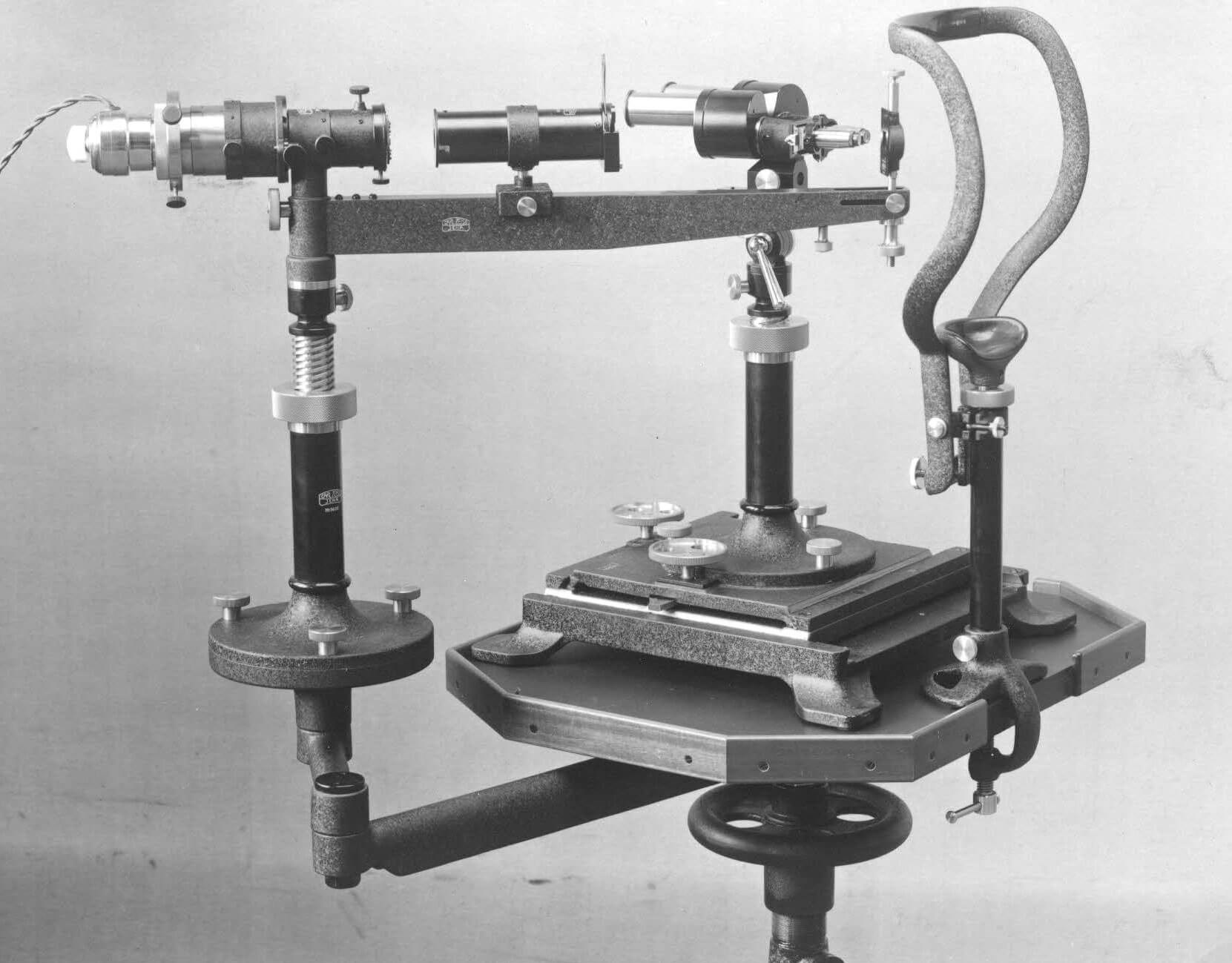
Figure 1: Gullstrand’s 1911 slit lamp. Kindly provided by ZEISS Archive.
The modern slit lamp, as we recognise it today, was introduced by Allvar Gullstrand in 1911 and manufactured by Carl Zeiss [2]. His design incorporated an illuminated slit of light and a microscope. This allowed practitioners to examine the eye’s transparent layers in cross-section. The invention was so significant that it earned Gullstrand a Nobel Prize [3]. His work marked a turning point in ophthalmology, transforming eye examinations into a more precise and insightful process.
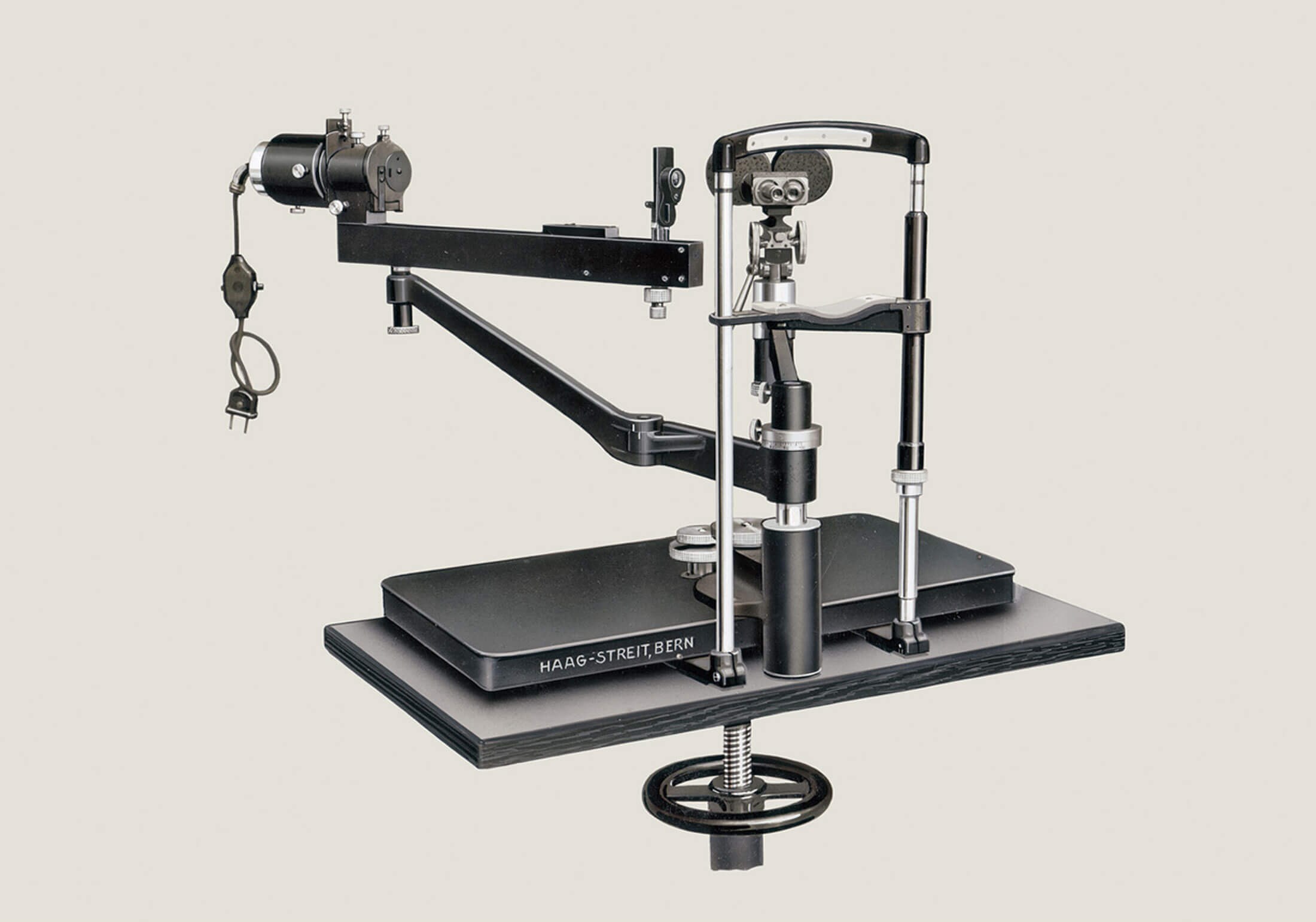
Figure 2: Haag-Streit’s slit lamp dating 1933.
The core concept of the slit lamp was revolutionary. It enabled the detailed visualisation of otherwise invisible structures within the eye and as the 20th century progressed, the slit lamp continued to evolve. During the 1920s and 1930s, enhancements in lighting, optical quality and device ergonomics made the instrument more suitable for everyday clinical use. One of the most notable improvements during this time was the transition from bulky arc lamps to more compact and controllable incandescent light sources.
Throughout the 20th century, technical refinements further advanced the device. Among them was the introduction of Koehler illumination, which provided uniform lighting and reduced glare, greatly improving image clarity [4,5]. During the 1930s, Haag-Streit began developing slit lamps in collaboration with Hans Goldmann, who introduced joystick manoeuvrability, giving users better control over the positioning and focus of the lamp [6]. In the 1950s and 60s, photographic technology was integrated, and this allowed clinicians to capture and document eye conditions, which became essential for longitudinal monitoring and teaching [7].
More recent innovations in slit lamp technology have been relatively modest. In many clinical settings, including NHS clinics, slit lamps from the 1960s are still in regular use. The most common modern update has been the replacement of traditional filament bulbs with energy-efficient LEDs, which offer improved brightness, longevity and colour consistency.
The 1990s marked a turning point with the emergence of digital imaging. The integration of digital cameras and computer systems enabled the capture of high-resolution still images and video, which could be easily stored, shared for remote consultations, and used for patient education.
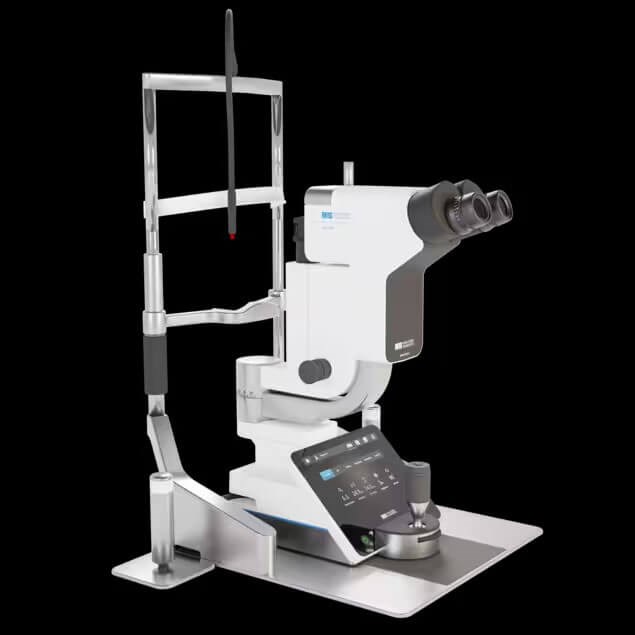
Figure 3: Haag-Streit’s latest 2025 slit lamp, the Elera 900.
In recent years, the integration of 4K digital 3D imaging has pushed the capabilities of slit lamps even further [8]. Devices such as Haag-Streit’s BQ 900 with the Imaging Module 3D (IM 910 3D) allow eye structures in three dimensions [9]. This innovation offers a more realistic and immersive representation of the eye, improving clinical interpretation.
Looking to the future, the slit lamp continues to evolve into the 21st century [5]. Haag-Streit UK is preparing to launch the Elara 900, an integrated optical system that combines Swiss-made optics, ‘P-Type’ projector illumination and a dual integrated camera to deliver a superior visual experience.
Over the last century, slit lamp technology and ophthalmic imaging have improved remarkably. As digital imaging, ergonomics and artificial intelligence continue to advance, the slit lamp remains central to the accurate diagnosis and effective treatment of eye diseases, helping to safeguard vision for future generations.
References
1. Duke-Elder S. System of Ophthalmology: Volume X – Diseases of the Retina. Missouri, USA: C. V. Mosby, 1962.
2. Artes, PH. History of the Slit Lamp. In: Gellrich MM. The Slit Lamp, Heidelberg, Germany; Springer Berlin; 2014:189–210.
3. https://www.nobelprize.org/prizes/
medicine/1911/gullstrand/facts/
4. Köhler A. Ein neues Beleuchtungsverfahren für mikrophotographische Zwecke. Zeitschrift für wissenschaftliche Mikroskopie und für mikroskopische Technik 1893;10(4):433–40.
5. Meyer PAR. Living histopathology – interrogation of ocular tissues by light: a celebration of the slit lamp and a repertoire of clinical techniques. Eye (Lond) 2025;39(4):688–99.
6. Leibowitz HM. The Slit Lamp and Biomicroscopy. In: The Eye. New York; London: Academic Press, 1962–1974.
7. von Noorden GK. Binocular Vision and Ocular Motility. Missouri, USA: C. V. Mosby, 1996.
8. Harvey B. Slit lamp review: New device in the spotlight. Optician Online 2016.
https://www.opticianonline.net/content/features/
slit-lamp-review-new-device-in-the-spotlight/
9. https://www.haag-streit.com
[All links last accessed June 2025]
Declaration of competing interests: Gayle O’Reilly is an employee of Haag-Streit UK.