
You searched for "stroke"

5235 results found

It’s All in Your Head: Stories from the Frontline of Psychosomatic Illness

Have you ever reviewed a patient with unexplained symptoms? It’s All in Your Head by Consultant Neurologist Dr Suzanne O’Sullivan is a non-fiction book about patients with psychosomatic disorders. In each of the nine book chapters, she presents an anonymised...
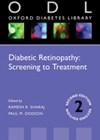
Oxford Diabetes Library – Diabetic Retinopathy: Screening to Treatment (second edition)

This book encapsulates what working in diabetic eye disease is all about: the multidisciplinary team. It takes you through the patient pathway, from screening to grading to management of diabetes, as well as management of eye disease, dealing with all...

Basics of Vitrectomy

This is a book set out over 14 chapters which is designed to be a handbook for beginners embarking on a career in vitreoretinal (VR) surgery or for trainee surgeons on rotation with the VR team. It starts with an...

180 MCQs for the Duke Elder Examination

The Duke-Elder Undergraduate Prize Exam is a competitive exam aimed at undergraduates with an interest in ophthalmology. It is amongst the most prestigious undergraduate prizes in the United Kingdom. I would encourage motivated candidates to get their hands on as...
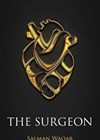


The Surgeon

The Surgeon is a short, fictional story based in the (very) near future, 2030. It covers the investigation of a politician who died during routine heart surgery carried out by a prominent cardiothoracic surgeon using a robotic system/AI (called A.I.R)....

Refractionist’s shoulder?

After hearing the letter-box, I walked to the front door and stooped down to collect my latest edition of Eye News. I winced. Still, at least it would give me something to pass the time on this, my first day...

What’s next in retinal imaging? Faster, deeper and full-on

Fast-evolving technological leaps are opening the way toward clinically useful ocular coherence angiography, generating 3-dimensional microvasculature maps without intravenous dye injection, as well as whole-eye imaging, handheld patient-operated optical coherence tomography (OCT) devices and, for challenging vitreoretinal procedures, integrated intraoperative...

Inherited retinal disorders now the leading cause of blindness

The recent paper in BMJ Open, from the UCL Institute of Ophthalmology, ‘A comparison of the causes of blindness certifications in England and Wales in working age adults (16-64 years), 1999-2000 with 2009-2010’ concludes that inherited retinal disorders (IRD) such...

A short survey of the views of clinicians on the role of procedure-specific consent forms

Informed consent is an ethical and legal right of every patient [1]. It is essential that patients receive clear, concise and accurate information regarding the risks, benefits and alternatives to a potential intervention. In addition to this, the patient must...

Ground-breaking achievements in blindness prevention

One small UK based charity is enabling pioneering research to prevent blindness in low and lower middle income countries. The British Council for Prevention of Blindness (BCPB), established in 1976, funds innovative research and training which seeds the development of...

Management of DMO and PDR in 2019

An evidence-based approach to the management of diabetic macular oedema (DMO) and proliferative diabetic retinopathy (PDR) in 2019 was outlined by Sobha Sivaprasad, UK, in presentations during the Diabetic Retina scientific session September 6 2019, at the 19th European Society...

Use of a smartphone repair microscope for microsurgical suturing simulation

Suturing ocular tissues under microscopic guidance is a skill that has declined in frequency, with the majority of cataract operations being sutureless. With the recent COVID-19 outbreak, training opportunities in theatre have declined further, given elective surgery cancellations. Subsequently, trainees...
