New antihyperglycaemic drugs are now increasingly used to treat individuals with and without diabetes mellitus to reduce their cardiovascular and renal morbidity and mortality [1]. These include glucagon-like peptide-1 receptor agonists (GLP-1 RAs) and sodium-glucosecotransporter-2 (SGLT2) inhibitors.
Glucagon-like peptide-1 receptor agonists emulate the action of the natural incretin hormone, GLP-1 [2]. The primary mechanism by which these agents operate involves enhancing glucose-dependent insulin secretion from pancreatic beta cells and simultaneously inhibiting glucagon release from alpha cells, leading to a reduction in blood glucose levels [2]. In terms of food intake, these medications suppress appetite through their effects on the hypothalamus and vagal afferents [2]. More significantly, GLP-1 RAs substantially delay gastric emptying [2], which poses risks for patients.
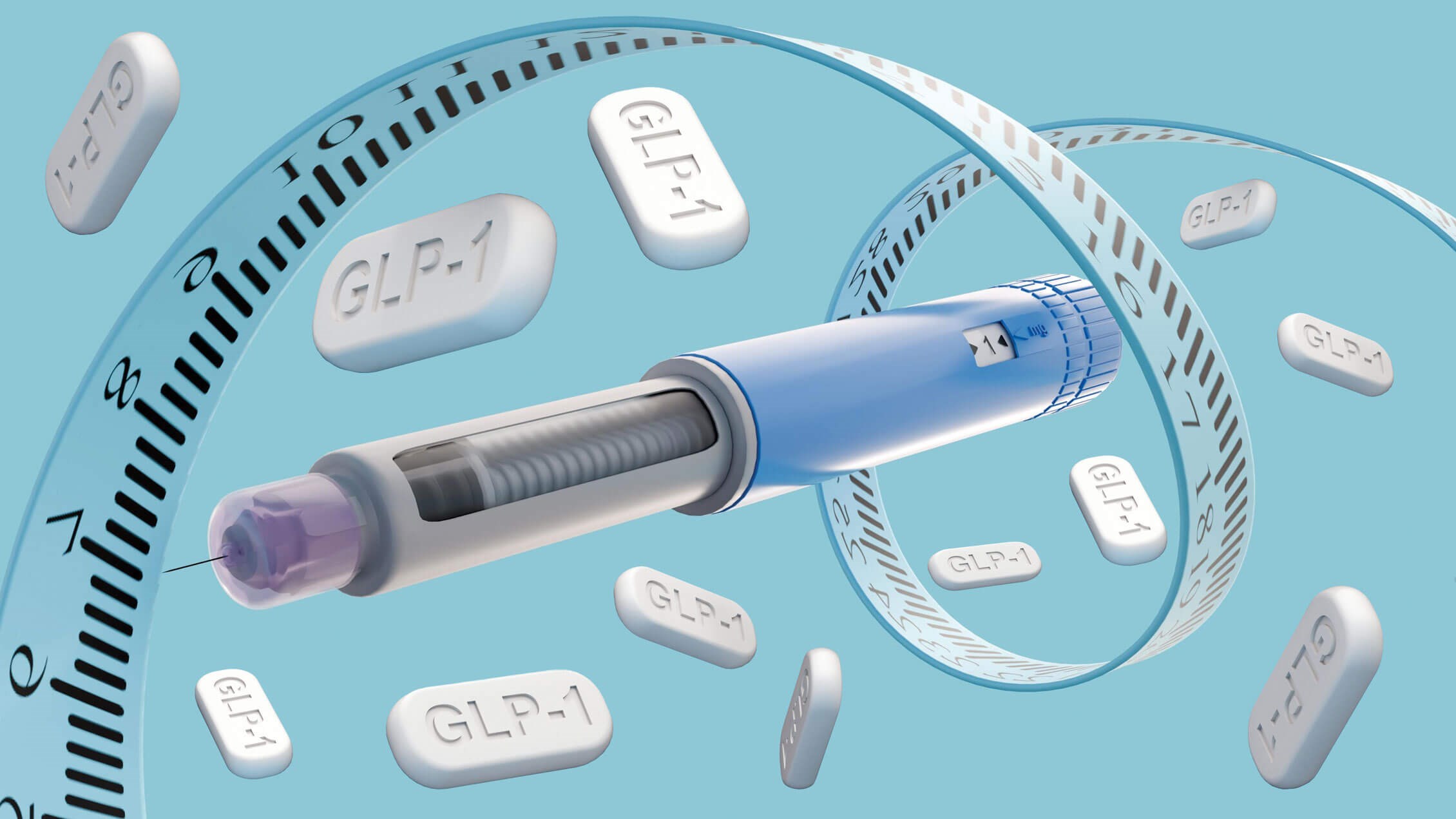
On the other hand, SGLT2 inhibitors lower blood glucose by inhibiting reabsorption from the proximal convoluted tubules, inducing glycosuria, thereby mimicking starvation [1]. The principal concern with their use perioperatively is the development of diabeticketoacidosis (DKA) and particularly euglycaemic DKA and ketoacidosis in those with or without diabetes mellitus, where the glucose concentrations are normal (i.e. <11.0mmol.l-1) [1]. In practice, these effects can have implications not just to individual patients, but also on how our services are managed.
For surgical patients, the potential for greater residual gastric contents associated with GLP-1 use is consequently related to increased aspiration risk, even with the observance of standard fasting protocols [2]. This, along with supine positioning in ocular surgery, and the fact that even minimal sedation can suppress protective airway reflexes, pose medical and surgical concern in sutureless ophthalmic procedures [3]. Vomiting or a Valsava manoeuvre may negatively affect postoperative outcomes [3]. Additionally, an increase in physiologic stress attributed to surgery compounds on the production of counter-regulatory hormones that further drives hyperketonaemia among patients on SGLT2 inhibitors [4].
At present, there is no single, evidence-based guidance for clinicians, which can lead to challenges in keeping consistent patient care, on the day cancellation rates of elective cases, delays to lists and confusion among teams [2].
Statements from several UK-based organisations, including but not limited to the Association of Anaesthetists and the Association of British Clinical Diabetologists, advises continuing GLP-1 RAs perioperatively, but does not provide a blanket guideline regarding fasting [3]. Consistency in patient selection, individualised optimisation, organisation and proactive systems management [5] are key while we wait for unified guidelines. Additionally, close multidisciplinary working to adequately inform patients of risks and clinical implications associated with these medications is essential in guiding patients to informed consent for their treatment [2].
This is especially true for time-sensitive cases such as macula-on retinal detachment repair. A thorough preoperative assessment and coordination with anaesthesia can better ensure appropriate control of risks [3]. Lastly, appropriately training medical and nursing staff is crucial in ensuring timely and effective management of complications [2].
References
1. https://rcoa.ac.uk/news/glp-1-dual-gipglp
-1-receptor-agonists-potential-risk-pulmonary
-aspiration-during-general
2. https://sedate-uk.com/wp-content/uploads//
2025/07/Perioperative-Fasting-and-Sedation
-in-Patients-Taking-GLP-1-Medications_-A-Review
-of-Current-Research-and-Clinical-Guidance-2.pdf
3. Shipway A. Literature search: Perioperative considerations for adult ocular patients on GLP-1 RA and SGLT2 medications. RCN Library and Museum; London, UK; 2026.
4. El-Boghdadly K, Dhesi J, Fabb P, et al. Elective peri-operative management of adults taking glucagon-like peptide-1 receptor agonists, glucose-dependent insulinotropic peptide agonists and sodium-glucose cotransporter-2 inhibitors: a multidisciplinary consensus statement: A consensus statement from the Association of Anaesthetists, Association of British Clinical Diabetologists, British Obesity and Metabolic Surgery Society, Centre for Perioperative Care, Joint British Diabetes Societies for Inpatient Care, Royal College of Anaesthetists, Society for Obesity and Bariatric Anaesthesia and UK Clinical Pharmacy Association. Anaesthesia 2025;80(4):412–24.
5. Albanese GM, Visioli G, Alisi L, et al. Ocular Effects of GLP-1 Receptor Agonists: A Review of Current Evidence and Safety Concerns. Diabetology 2025;6(10):117.
[Links last accessed August 2026]
Declaration of competing interests: None declared.