
In response to the increasing paediatric workforce shortage the landscape of paediatric ophthalmology is shifting [1]. As we face a striking surge in demand accompanied by increasingly complex patient profiles, alternative models of care are beginning to evolve. The advanced practitioner (AP) role can increase capacity in paediatric ophthalmology and enhance the way that we deliver care to children and their families.
Beyond boundaries: a holistic approach
The hallmark of paediatric ophthalmology APs is the ability to go beyond traditional profession-specific boundaries. By integrating professional expertise with masters’ level education across the four pillars of clinical practice, leadership, education and research, APs provide a holistic perspective. They work with the high-level communication skills necessary for managing and balancing the risk inherent in paediatrics, providing the time and empathy that an over-booked consultant/clinic might struggle to find. This improves patient experience by building the trust that helps to carry families through the long-term journey of childhood vision conditions. Utilising the transferable skills and expertise of orthoptists, optometrists and ophthalmic nurses enables an effective solution relatively quickly.

Graduation photo, January 2026.
Unlocking capacity: the 30% impact
Service evaluations, including recent data from Oxford University Hospital, demonstrates that AP-led clinics can safely and independently manage a wide range of patient cohorts [2]. By absorbing these high-volume caseloads, APs can increase clinical capacity in urban centres by 30%. This increase allows consultant ophthalmologists to focus their highly specialised skills on surgical lists and the most acute and complex cases, effectively improving patient flow.
Funding
Current National Health Service England (NHSE) funding often covers the full tuition for masters AP programmes, alongside training grants to support the employer – contact your Regional Faculty for Advancing Practice to progress this [3]. It makes the transition to an AP-led model a financially viable and sustainable strategic move for any Trust [4]. NHS England » 2022/23 priorities and operational planning guidance called for the expansion of AP roles [5], with NHSE commissioning new bespoke paediatric ophthalmology and neuro-ophthalmology courses.
A catalyst for learning: enhancing the trainee experience
A common misconception is that the introduction of APs might detract from the learning opportunities of medical trainees. In reality, the opposite is true. Advanced practitioners foster a richer educational environment and bring a wealth of diverse clinical experience, offering fresh perspectives that benefit junior doctors. While trainees rotate, the AP remains a permanent fixture in the department, providing stable mentorship and ‘institutional memory’ that supports rotating registrars. By managing the routine buffer of the clinic, APs help to ensure that the cases trainees see are of higher educational value, allowing for more focused teaching time with consultants.
How to become an ophthalmology AP
Currently, the opportunity to upskill as an ophthalmology AP is open to orthoptists, optometrists and ophthalmic nurses. Qualified ophthalmology APs describe their training as intense, but incredibly rewarding and worthwhile. To apply, clinicians need a minimum of three years post-registration clinical experience and a clinical supervisor – an ophthalmologist who can mentor and develop their clinical skills locally. Securing a trainee AP post is beneficial – it helps to manage the trainee’s schedule and role both in training and once qualified.
The transition to AP typically involves an AP masters degree, which equips practitioners with the essential competencies of the four AP pillars: clinical practice, leadership, education and research. The NHSE centre for advancing practice recognises that some individuals have developed into APs through less traditional routes and can apply for direct recognition via the supported ePortfolio route [6].
What the training looks like
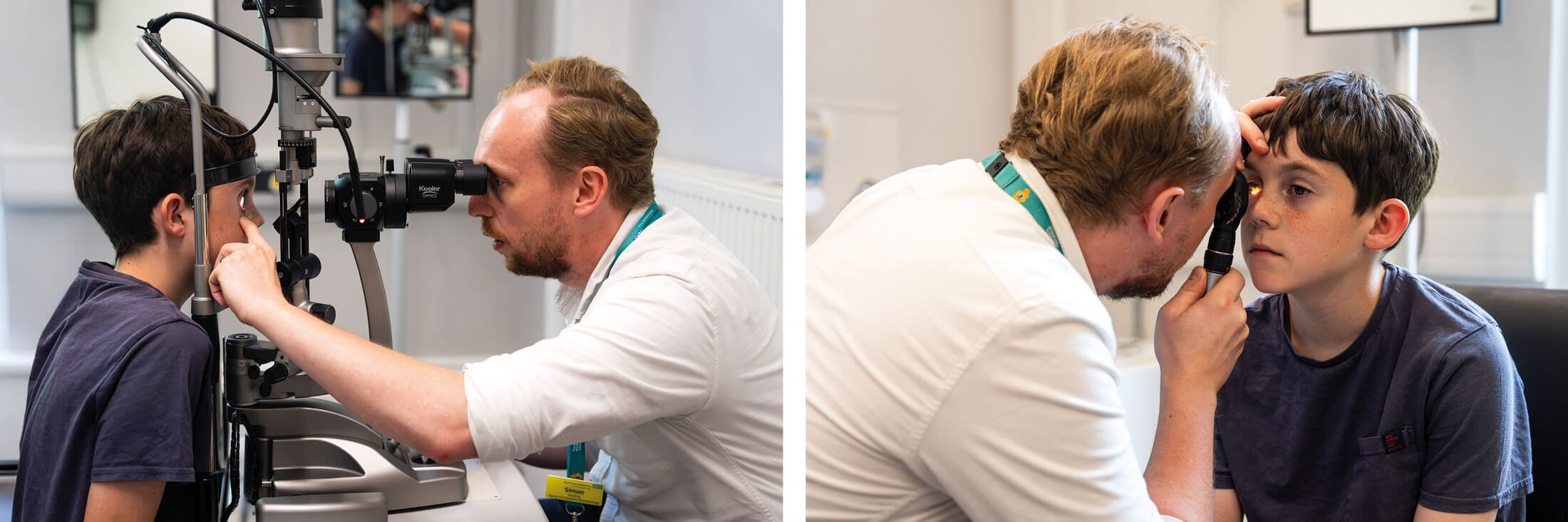
Training is a blend of university-based theory (often online due to regional spread of trainees in these niche fields) and clinical sessions with a mentor. Work-based learning is key – developing a progressive portfolio to evidence expanding clinical practice. Beyond seeing patients, trainees are expected to lead audits and research, mentor junior staff and implement evidence-based changes to service delivery.
Getting started
Review the multi-professional framework for advanced practice 2025 [7] and compare it to your current skills, then speak to your lead clinician. Orthoptists often work closely with paediatric ophthalmologists, so having a conversation together about whether this upskilling opportunity might be beneficial for an individual, the team and the service, would be a great place to start.
Find a course
Look for masters’ programmes accredited by the NHSE Centre for Advancing Practice [8] as these will lead to formal, national recognition and receipt of the advanced practitioner digital badge. For paediatric ophthalmology, The University of Sheffield Paediatric Ophthalmology AP Masters is designed to meet the specialised demands of the field [9]. It covers the full breadth of the NHSE-commissioned curriculum, ensuring practitioners gain the exact skills required for this unique role [10]. The University of Plymouth also have accredited ophthalmology masters courses.
Shadow existing APs
Spending a day with an orthoptist or nurse who has already ‘made the jump’ can provide invaluable insight into the reality of the workload and what it looks like day to day.
Review profession-specific information
The British and Irish Orthoptic Society’s (BIOS) Advanced Practice pages and Royal College of Nursing’s (RCN) Advanced Practitioner forum have resources such as ‘A day in the life of an AP’ video, which can help you understand, prepare and apply for the role [11,12].
The future is funded, and bright
With the demand for paediatric eyecare projected to rise, the ‘status quo’ is no longer an option. The role of the AP provides a fully supported career pathway for orthoptists, optometrists and ophthalmic nurses to take on a wider reach of clinical practice.
For the ophthalmologist, it is a chance to gain a highly skilled partner. For the trainee, it is an opportunity for collaborative learning. And for the child, we are collectively able to provide more responsive, compassionate and efficient eyecare.
References
1. Clough N, Magan T, Jain S. The UK paediatric ophthalmology workforce crisis – a national perspective. Eye (Lond) 2025;39(9):1793–6.
2. Alexander K. Advanced clinical practice in paediatric ophthalmology: a service evaluation of clinic implementation and the first three years of practice. Strabismus 2025:1–6 [ePub ahead of print].
3. https://advanced-practice.hee.nhs.uk/
regional-faculties-for-advancing-practice
4. www.nhsemployers.org/articles/advanced-practice
5. www.england.nhs.uk/publication/2022-23
-priorities-and-operational-planning-guidance
6. https://advanced-practice.hee.nhs.uk/
our-work/eportfolio-route
7. https://advanced-practice.hee.nhs.uk/
multi-professional-framework-for-advanced-practice
8. https://advanced-practice.hee.nhs.uk/
our-work/programme-accreditation/accredited-programmes
9. https://sheffield.ac.uk/postgraduate/taught/
courses/2026/ophthalmology-advanced-clinical
-practice-paediatrics-mmedsci
10. Sultana M, Davis H, Maconachie G, Codina C. The development of a paediatric ophthalmology advanced clinical practitioner role: clinical opinion. Int J Adv Prac 2025;3(2):71–7.
11. https://orthoptics.org.uk/professional-clinical/
groups/advanced-clinical-practice
12. www.rcn.org.uk/Get-Involved/Forums/
Advanced-Nurse-Practitioner-Forum
[Links last accessed May 2026]
Declaration of competing interests: Prof Charlotte Codina is the programme lead for the MMedSci Ophthalmology AP (paediatrics) at The University of Sheffield.
Want to voice your opinion on the trainee pathway?
Click here to be taken through to our survey.
We will publish the data and our commentary in the annual Residents & Trainees supplement at the end of the year.





