On a quiet night flight to Azerbaijan, I glanced through the pages of inflight reading material. With a warm cup of americano in hand, I was astonished to read that spiders usually have eight eyes and box jellyfish have 24 eyes – and how beautiful they were, too! I then questioned: ever stop to think how many different types of eyes there are around the world?
In their structure, visual acuity, naturally large shapes and strength of designs, the animal kingdom features an incredible diversity of eyes. From simple, light detecting eye spots to more complex camera eyes. One’s mind then ponders to just how these creatures move and sightsee – moments that are so captivating, you would wish you had a camera in your hands! Exploring such beauty is one prominent clinician-scientist from Harvard Medical School, USA, Professor Lloyd Paul Aiello, that I was so privileged to reach out to and correspond with.
It was a remarkable delight to glance at his most recent photography. Here, we are gladly showcasing the wonderful animal eye kingdom; the bold shapes, the vibrant colours, the dazzling focus and precision of pause, in the moment of a still photograph. Reintroducing Prof Aiello in Eye News since his 2023 article, I asked him about his ongoing passion for photography and the incredible story behind his magnificent pictures. His affirmation came with new work, including underwater photos of very remote areas of Indonesia and its marine life, as well as a whole new series of birds and insects in action. We bring to you a fresh new glimpse of extraordinary, rare photos and some words from Prof Aiello himself…

All Photographs © by Lloyd Paul Aiello.
“Although I have followed in my father’s and grandfather’s professional footsteps by exploring the care and treatment of diabetic eye disease, I have always been fascinated by another aspect of vision: the profound, breathtaking and sometimes fleeting beauty of the natural world around us.
“As a young man, I worked as a mountaineering guide in the Colorado Rocky Mountains, an experience that fostered a lifelong love of the outdoors and a desire to share its extraordinary beauty and diversity. Since then, that passion has taken many forms. Photography, scuba diving, fly fishing, sailing; leading me through mountains, deserts, forests, wetlands and far beneath the surface of the sea.
“For me, wildlife photography is fundamentally about nature – its extraordinary beauty and unpredictability. Movement, light, behaviour or an unexpected encounter can, for a moment, coalesce into something remarkable. The images here capture such moments; often in just 1/100 to 1/4000 of a second, hoping to convey something of the wonder of the encounter.
“Over the years, I have photographed sharks and whales, birds and insects, marine life and terrestrial predators of virtually every kind, and have been privileged to witness extraordinary events in remarkable places. Yet when I am surrounded by wilderness, what troubles me most is rarely the danger in front of me. Rather, it is not knowing what rare, fleeting and incredibly beautiful moment may be happening behind me.
“I hope these photographs allow others to experience a little of this wonder and excitement and perhaps leave an enduring sense that somewhere, just outside our field of view, another extraordinary moment is about to happen.”
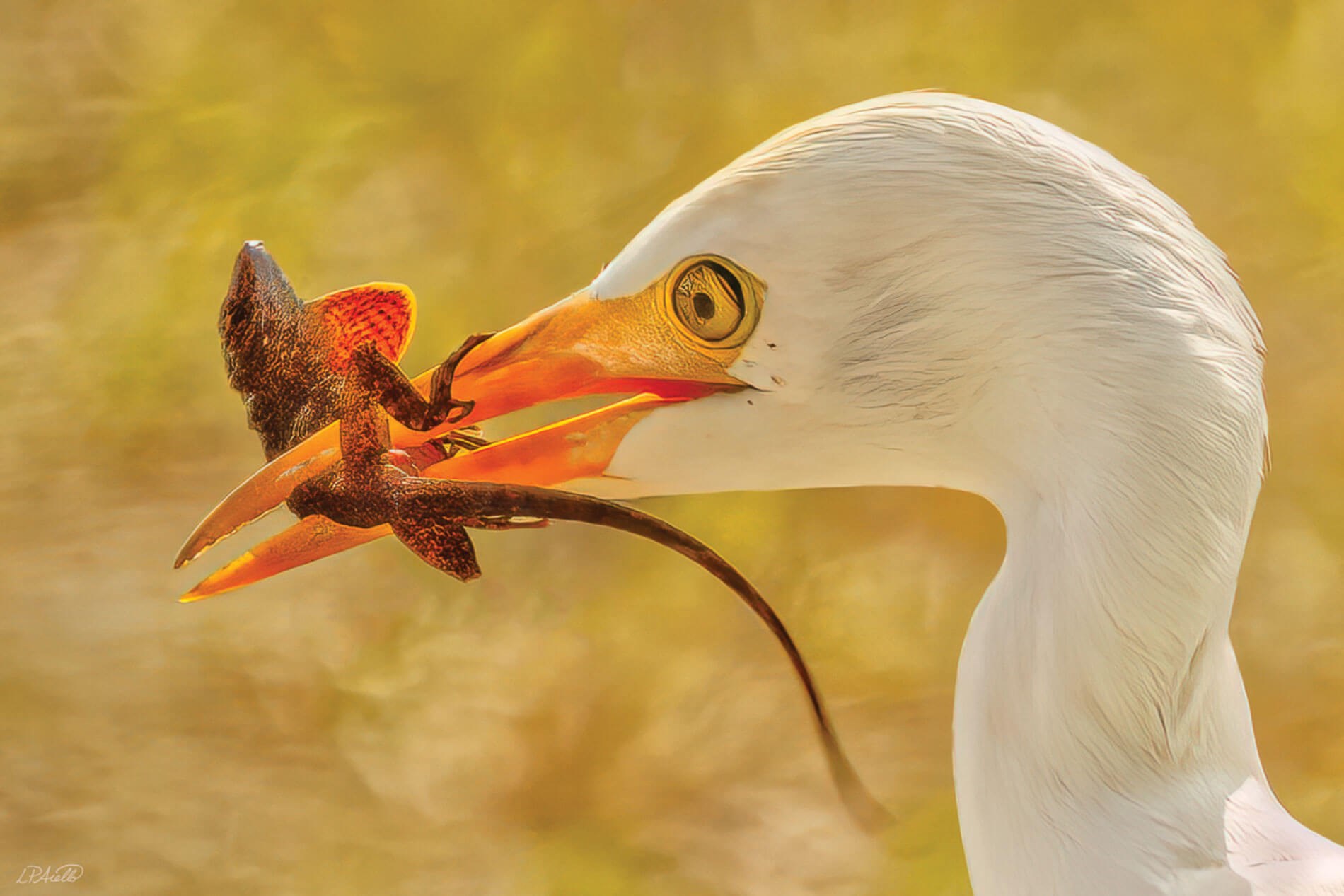
Egret with lizard (Southern Florida): A great egret holds a freshly captured brown anole lizard in its bill, demonstrating a fleeting instant in the continual interplay of predator and prey.
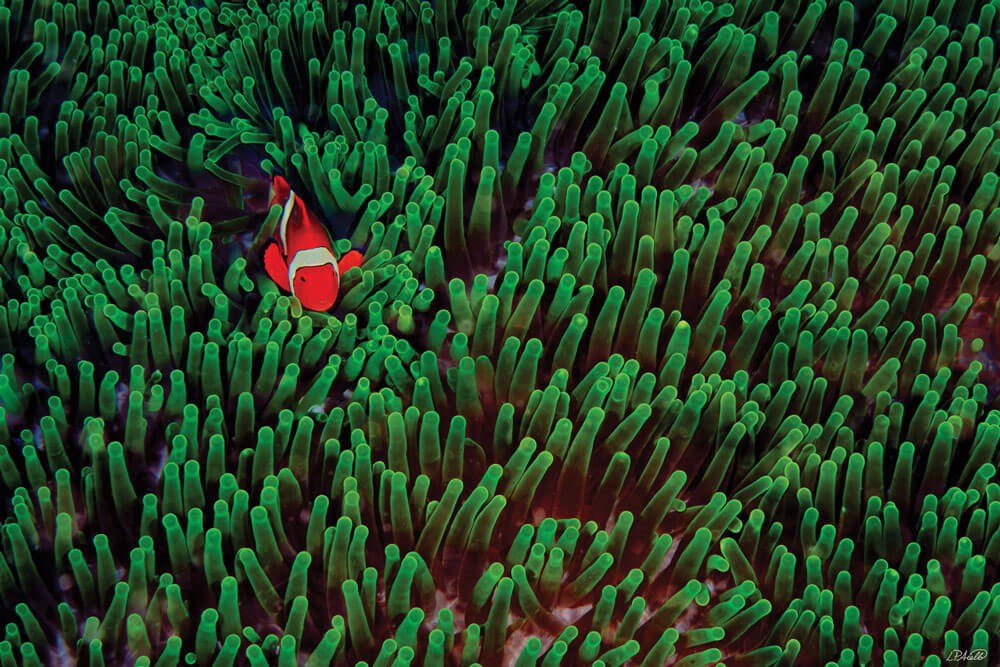
Clownfish and sea anemone (Indonesia): A clownfish peers from among the stinging tentacles of its host sea anemone in Indonesian waters. A specialised protective mucus coating allows the fish to live among the anemone’s tentacles without triggering their stinging cells, providing itself with a refuge from predators.
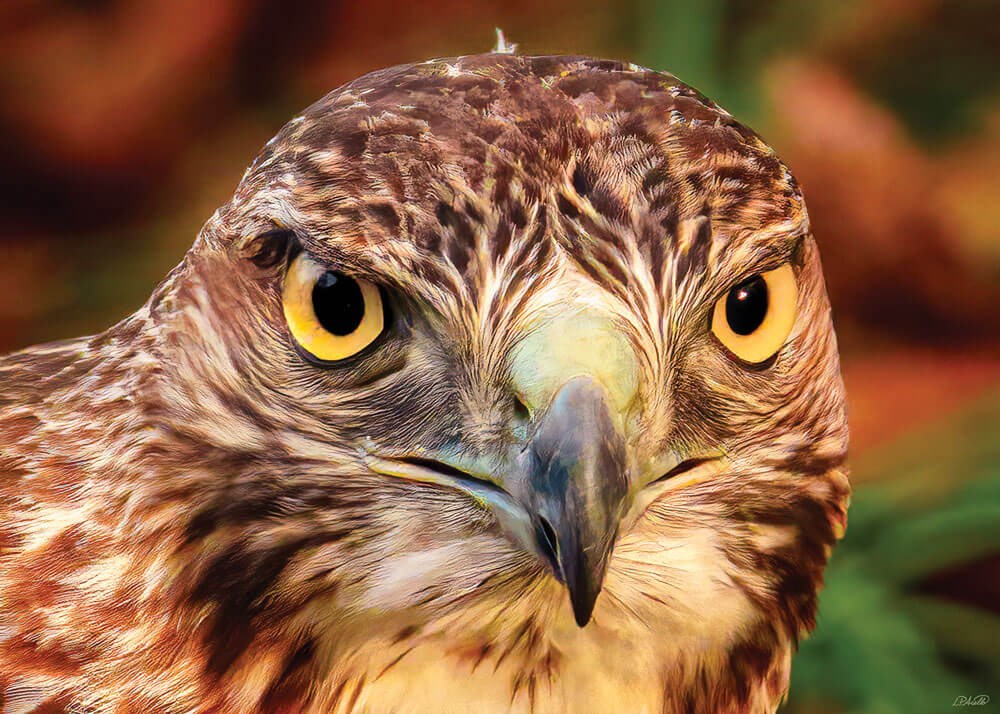
Stare of the red-tailed hawk (Massachusetts): The momentary, intense gaze of a red-tailed hawk reveals the riveting visual presence of this powerful predator. Red-tailed hawks possess exceptional visual acuity, generally estimated at two to three times that of humans, allowing them to detect small prey at great distances.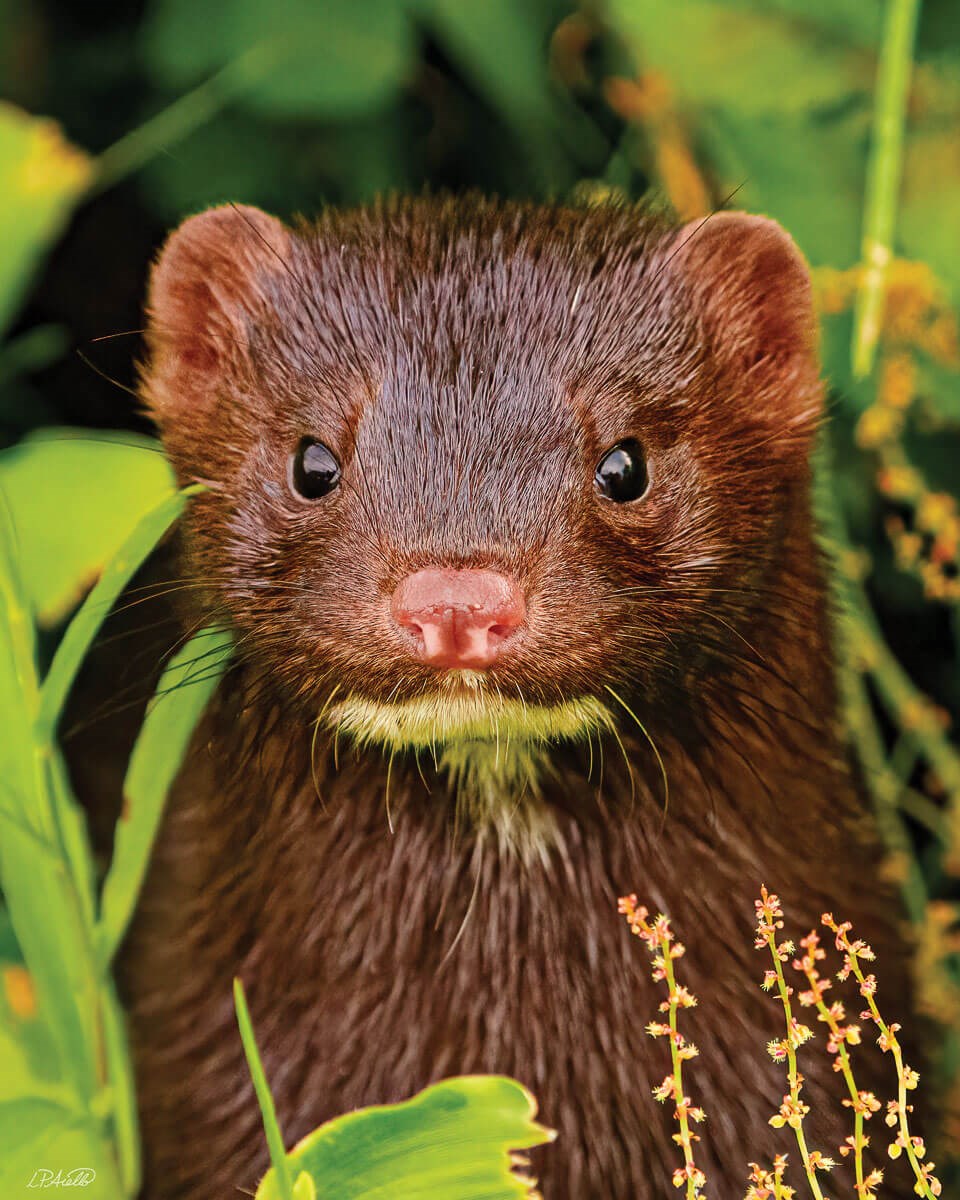
American mink (Massachusetts): A wild American mink briefly rises above the vegetation at Great Meadows National Wildlife Refuge in Concord, Massachusetts, offering a fleeting portrait of this highly elusive predator.
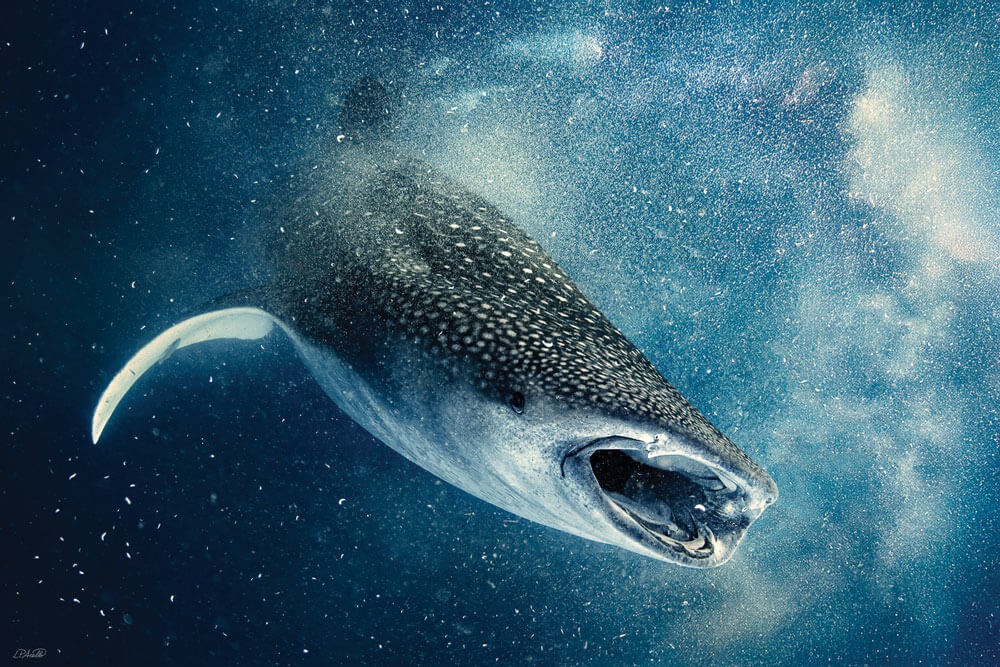
Feeding whale shark (Indonesia): A whale shark, the world’s largest fish (up to 40 feet/12 metres in length), swims through clouds of plankton in remote Indonesian waters. Its enormous mouth is adapted to filter these microscopic organisms from the sea. Remarkably, its eyes are protected by thousands of tiny dermal denticles (tooth-like scales), and each eyeball can retract approximately halfway into its socket.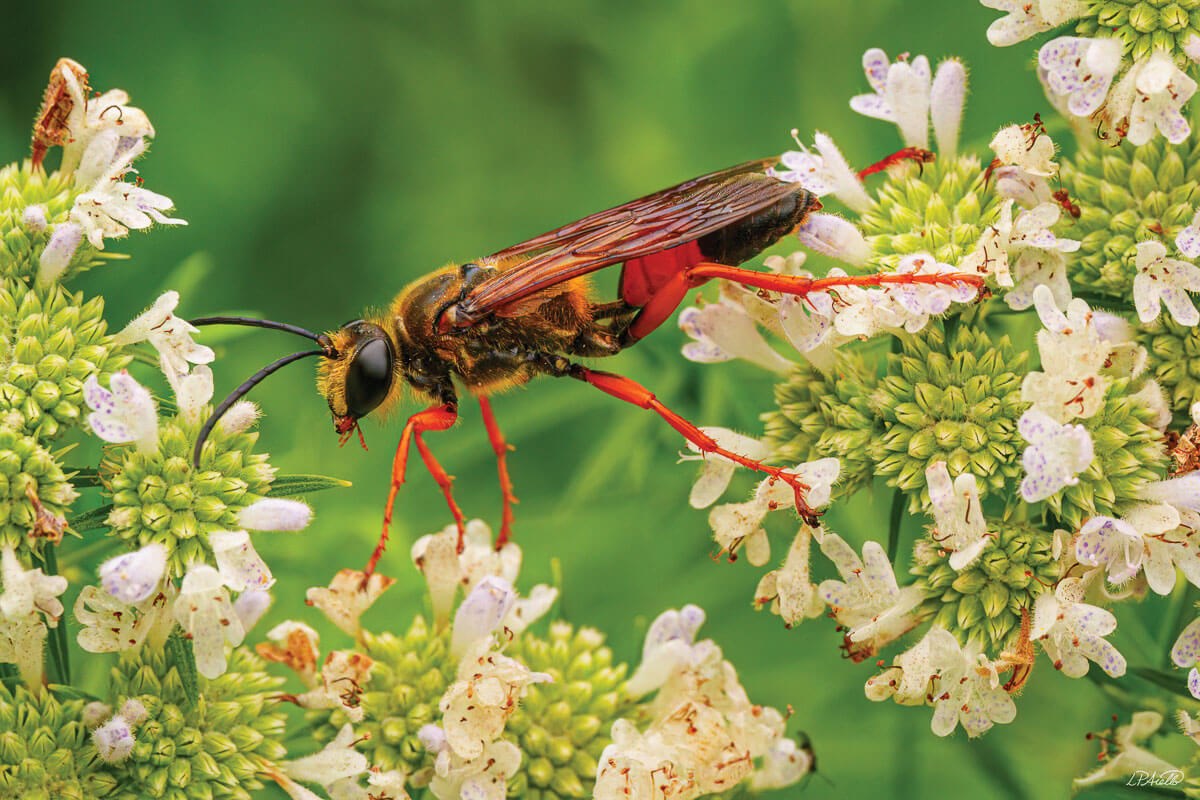
Wasp amongst the flowers (Massachusetts): A solitary great golden digger wasp walks between clusters of tiny white Mountain Mint flowers while foraging, its long red-orange legs momentarily bridging the blossoms. Like other wasps, it uses large compound eyes for spatial and motion vision, supplemented by three additional simple eyes, or ocelli, that are particularly sensitive to changes in light.
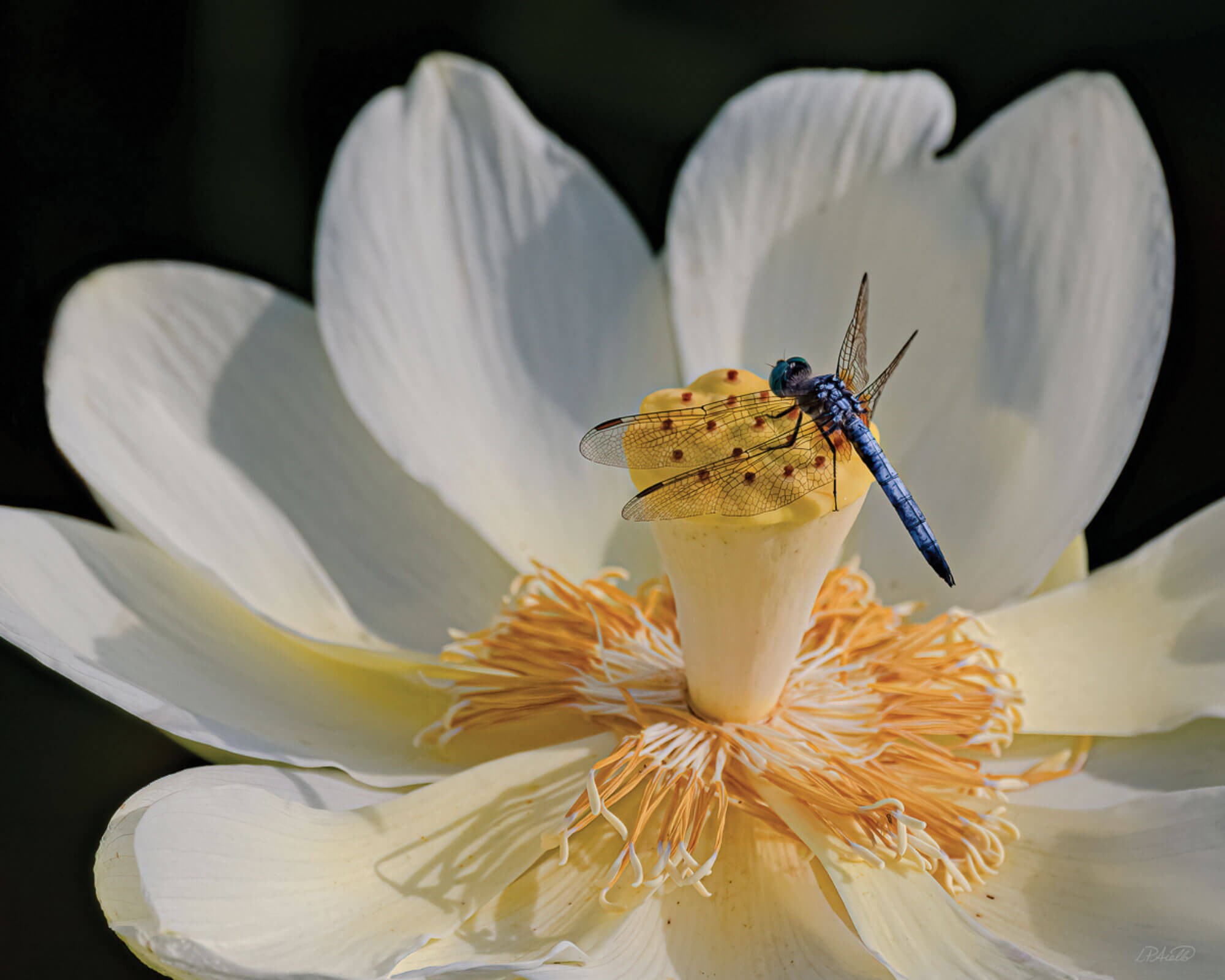
Blue dasher and white lotus (Massachusetts): A blue dasher dragonfly briefly alights on the seedpod of a white lotus, its delicate, translucent wings momentarily still against the flower’s remaining broad petals. In flight, it’s wings beat 40 times per second and its enormous compound eyes provide an exceptionally wide field of view and the visual sensitivity needed to detect and pursue small prey in flight.
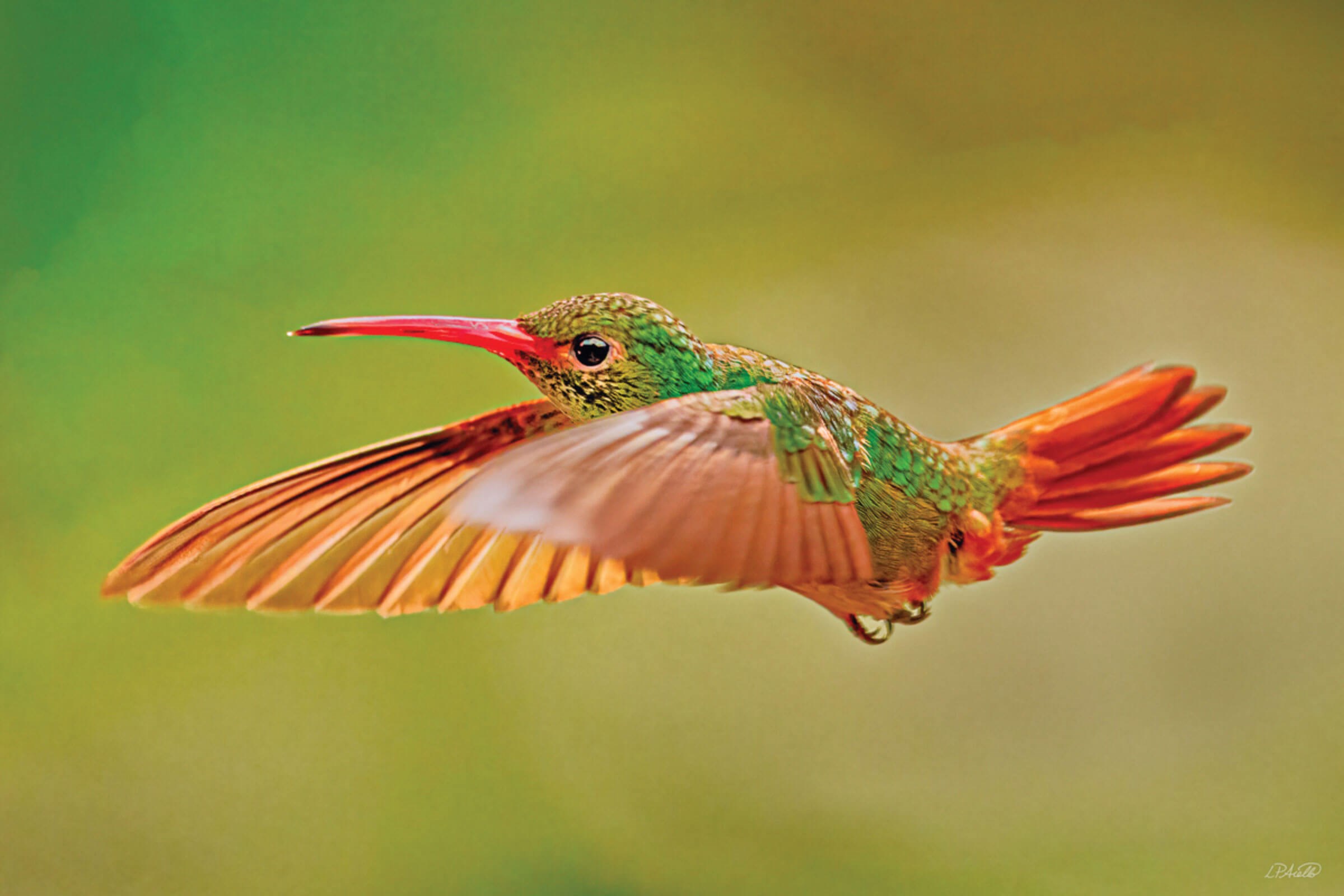
Hummingbird in flight (Ecuadorian rainforest): A rufous-tailed hummingbird is captured in flight with its wings fully extended, revealing in just 1/2000 of a second the intricate feather detail normally concealed by an average 53 wingbeats per second. Hummingbirds possess highly developed colour and motion vision essential for rapid flight and precise feeding among flowers.
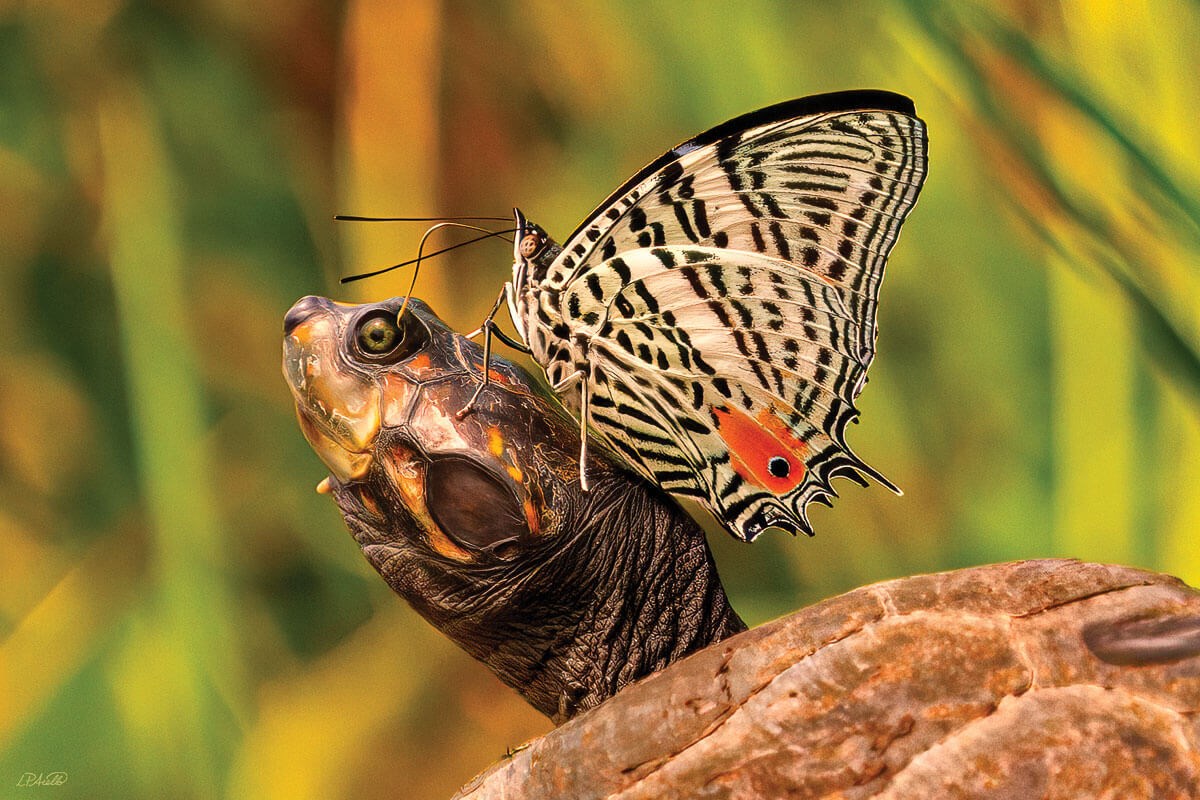
Butterfly and a turtle’s eye (Ecuadorian Amazon): In the Ecuadorian Amazon, a Godart’s numberwing butterfly drinks tears from the eye of a yellow-spotted river turtle, obtaining salts and other minerals scarce in its environment – a rare and extraordinary behaviour known as lachryphagy.
Declaration of competing interests: None declared.
Read Prof Aiello previous Eye News article which also
features some of his past photography here.