Since it was first introduced in 1987 by Akyaaba Addai-Sebo, the UK Black History Month has served as a way to celebrate the achievements of people of Black origin in the UK [1].
According to a 2022 census done by the Royal College of Ophthalmologists, only 2% of the ophthalmology workforce in the UK identify as Black or Black British. In 2021, out of 34 Black ophthalmology speciality recruitment applicants, fewer than five were appointed [2].
Whilst these figures can be disheartening, this article aims to highlight the successes of prominent Black forerunners within the field of ophthalmology worldwide, and to serve as encouragement for aspiring Black ophthalmologists.
"We do not have to remain at 2%, and we should work towards building on the foundation that our forerunners have left"
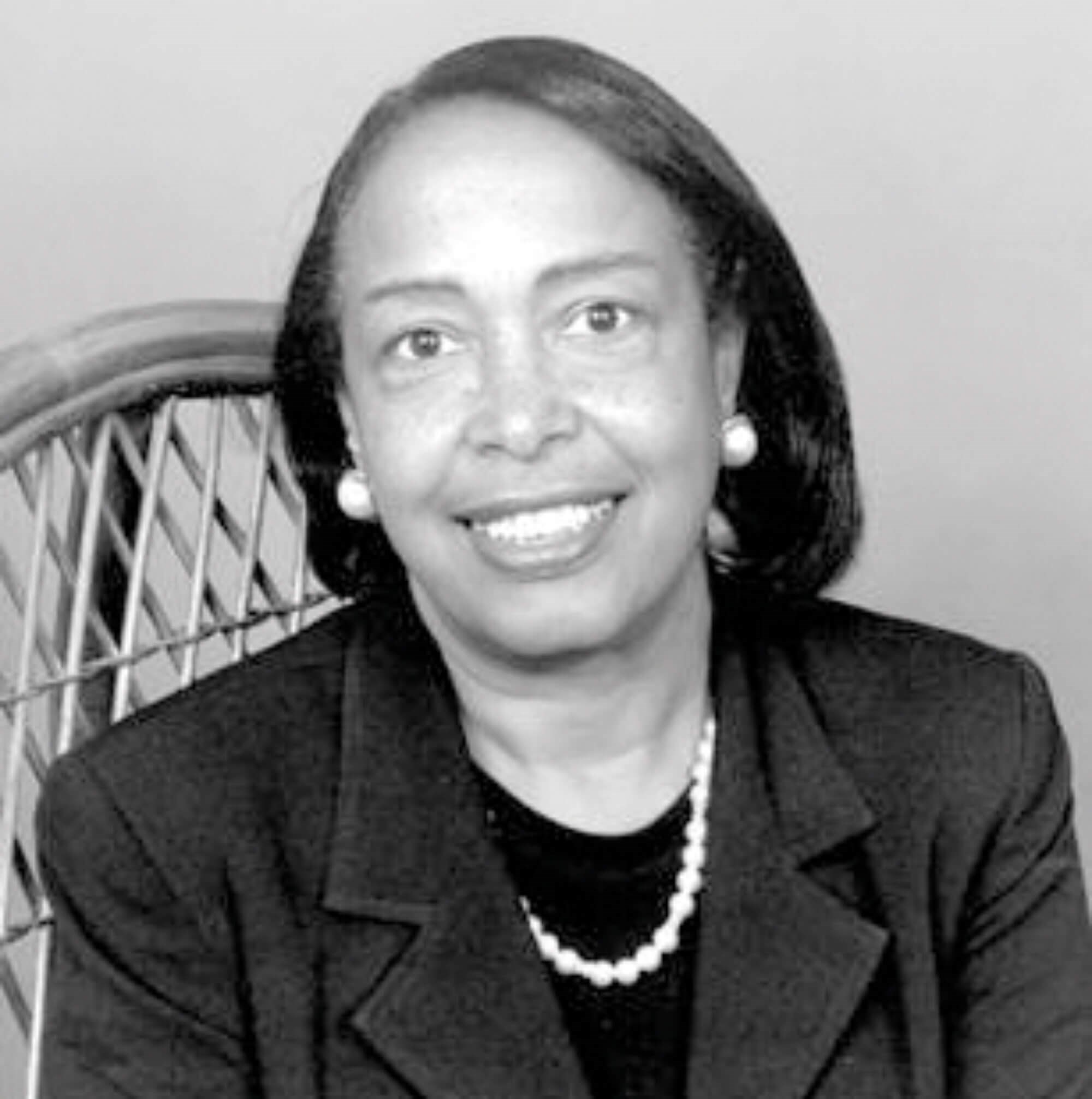
Patricia Bath. Sourced from Wikimedia Commons.
Patricia Bath Patricia
Bath is most famously known for being the first African American woman to be awarded a patent for a medical device (i.e. the laserphaco probe) in 1988; however, her accomplishments and contributions to the field of ophthalmology do not end there. After conducting a retrospective study, which revealed that Black patients had twice the rate of glaucoma and blindness compared to their White counterparts, she became a pioneer of community ophthalmology to help tackle the health inequalities she had witnessed firsthand [3]. In 1977, along with three other colleagues, she founded the American Institute for the Prevention of Blindness (AIPB), which supports global initiatives to tackle blindness in childhood. In 1983, Patricia Bath became the first woman to lead an ophthalmology residency programme in the USA [4]. She was inducted into the International Women in Medicine Hall of Fame in 2001, and even after her death in 2019, she remains an icon and an inspiration for women working to break barriers within the medical sector [3].
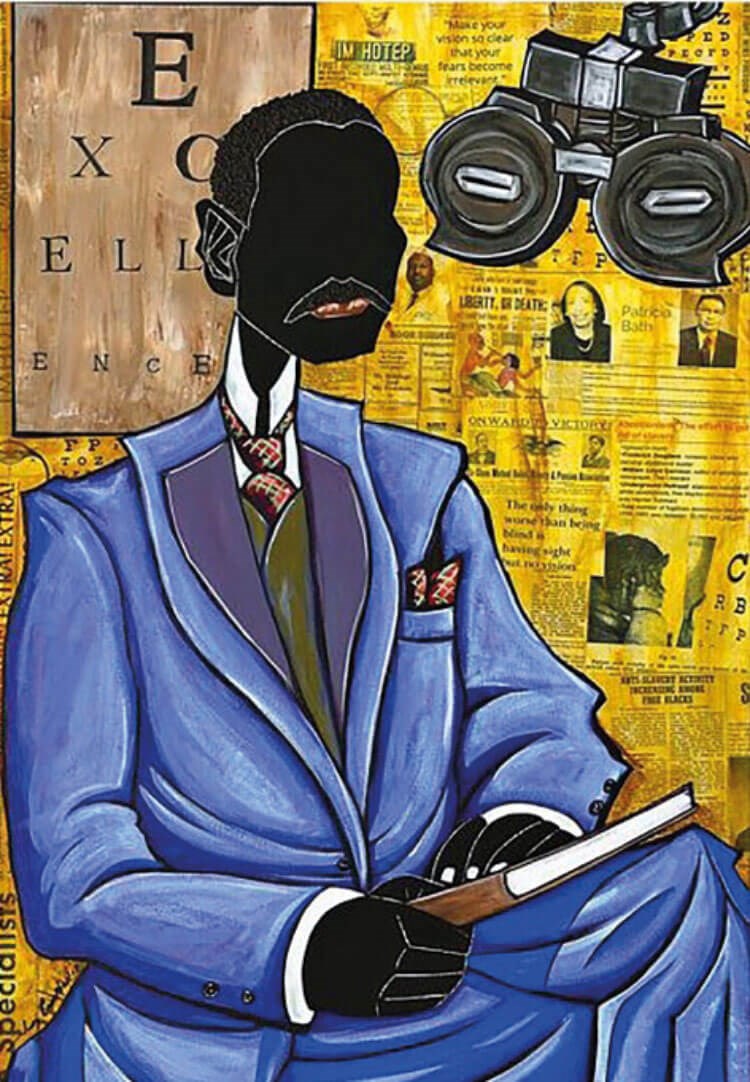
David Kearny McDonogh. Painting by Leroy Campbell.
Image courtesy of New York Eye and Ear Infirmary of Mount Sinai.
David Kearny McDonogh
Cemented in history as the first Black ophthalmologist/otolaryngologist in the USA, David McDonogh was born into slavery in New Orleans in 1821. After being freed by Washington McDonogh, his slave master and biological father, he became the first freed slave to earn a degree after graduating from Lafayette College in 1838. He then went on to complete the medical school curriculum of Columbia University in 1847; however, due to racial prejudices of his time, he was denied a medical degree. Despite this, he practised in New York for over 40 years as an ophthalmology and otolaryngology specialist. It was not until 2018 that he was awarded a posthumous degree by The College of Physicians and Surgeon. His legacy lives on through a scholarship by the National Medical Association (NMA) in his name, and a sculpture commemorating his achievements located at Lafayette College [4].
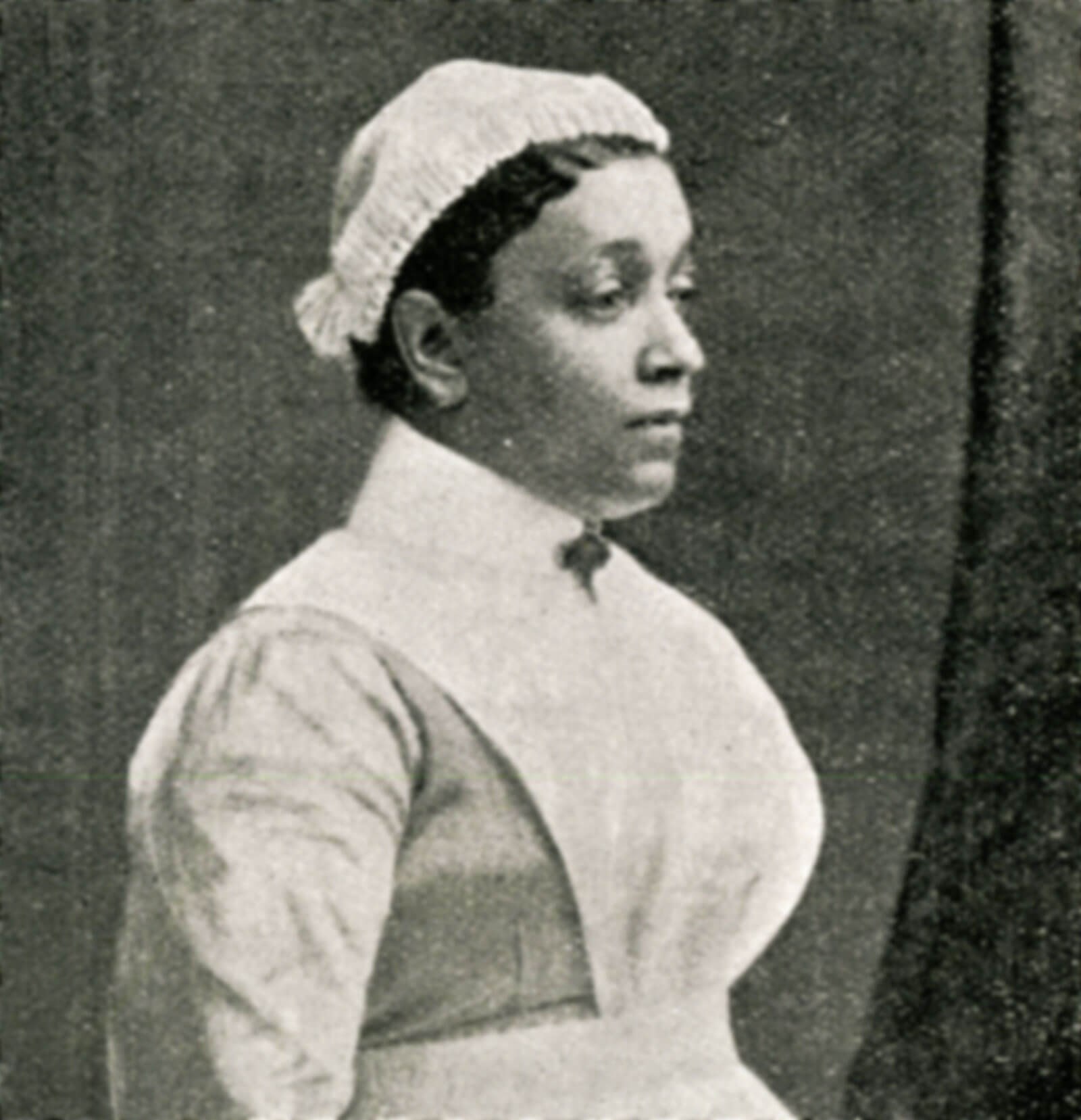
Anne Catharine Brewster – provided by Wikimedia Commons.
Anne Catherine Brewster
Born on the island of Saint Vincent in 1858, she moved to South London in the 1860s with her family as a young child [5]. Within seven years of starting as a trainee nurse in 1881 at the London Hospital in Whitechapel, by 1888, she was promoted to the nurse in charge of the ophthalmic ward, and she was referred to as ‘Nurse Ophthalmic’ [5]. She regularly worked with elderly patients suffering from sight loss and was highly regarded by her colleagues [5,6]. After an emergency operation in the same place she worked in 1902, she died aged 43 and was mourned and remembered fondly by those she had impacted whilst working at the London Hospital [5,6].
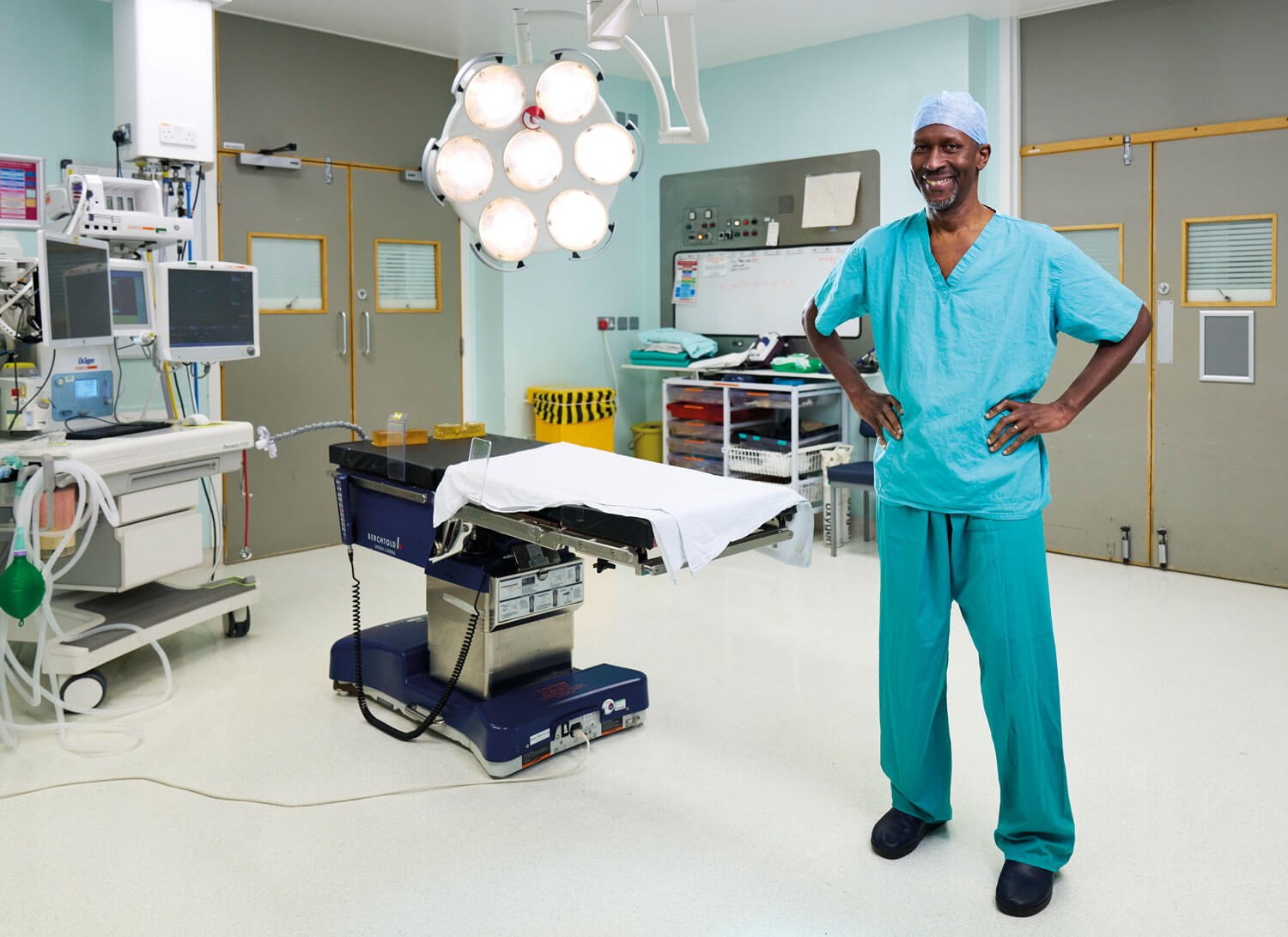
Cornelius Rene. Image courtesy of Cambridge University Hospitals NHS Foundation Trust.
Cornelius Rene
Believed to be the first black consultant oculoplastic surgeon in the UK, Cornelius Rene is an oculoplastic surgeon in Cambridge, with a special interest in lacrimal, orbital and reconstructive eyelid surgery, and a founding member of the British Oculoplastic Surgery Society (BOPSS) [7]. He also currently serves as Chairman of the Trustees of the Cambridge Eye Trust, an organisation set up in 1970 to improve eyecare in the UK. He featured in the television documentary Face Doctors, which follows surgeons and specialists at Addenbrooke’s Hospital as they treat patients requiring facial surgery [7]
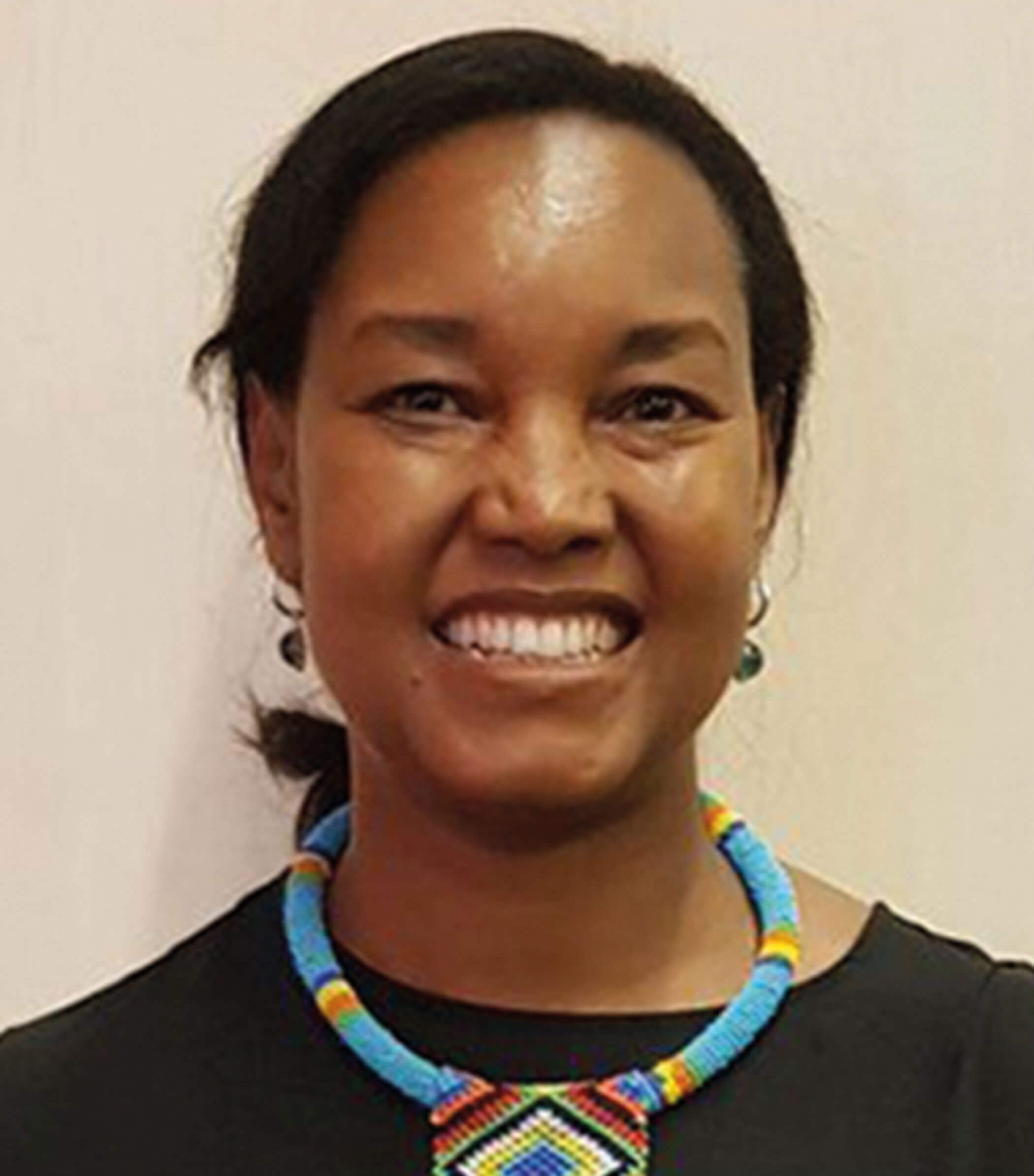
Figure 5: Professor Ciku Mathenge.
Professor Ciku Mathenge
A professor of ophthalmology at the University of Rwanda, Prof Ciku Mathenge, is a consultant ophthalmologist who subspecialises in medical retina and community ophthalmology. She is also a leading researcher in ophthalmology within Africa, and she conducted the first randomised trial to use artificial intelligence for screening diabetic retinopathy in Africa [8]. In 2011, to tackle the critical shortage of eye specialists in Sub-Saharan Africa, she established the Rwanda International Institute of Ophthalmology (RIIO) and its ophthalmology residency programme [8]. In conjunction with the WHO African Regional Office (AFRO), she played a major role in developing the primary eye care curriculum for healthcare practitioners in Africa, helping to ensure that patients receive the best care [9].
Conclusion
This article has highlighted the achievements of Black Ophthalmic professionals both here in the UK and globally, with the hope that it will inspire and encourage budding ophthalmologists of Black origin, and show that those who have paved the way for us have demonstrated that it is possible to break barriers.
TAKE HOME MESSAGES
-
Only 2% of the UK ophthalmology workforce identify as Black or Black British.
-
Black ophthalmologists globally have made key contributions to the advancement of the field all throughout history.
-
We do not have to remain at 2%, and we should work towards building on the foundation that our forerunners have left.
References
1. www.bbc.co.uk/news/explainers-54522248
2. www.rcophth.ac.uk/wp-content/uploads/2023/01/
Differential-Attainment-Report-2022.pdf
3. Anumula V, Kanyadan P, Kanyadan C. Patricia E. Bath: A Luminary in Ophthalmology. Cureus 2024;16(7):e65781.
4. Olivier MMG, Miller-Ellis E, Cowan C, Bateman B. Contributions and Legacies of Selected Black Pioneers in Ophthalmology and Institutional Milestones. Am J Ophthalmol 2024;268:222–46.
5.www.osjct.co.uk/news/
annie-brewster-nurse-ophthalmic
6. www.voice-online.co.uk/news/uk-news/
2019/10/12/britains-forgotten-black-nurses
7. www.cuh.nhs.uk/about-us/our-structure/
other-departments/corporate-communications/f
ace-doctors/meet-the-face-doctors/mr-cornelius-rene
8. www.riio.org/our-faculty
9. www.iapb.org/news/african-ophthalmology
-council-aoc-welcomes-new-interim-president
[All links last accessed August 2026]