
An audit of referral pathways and case mix in hospital cataract services.
Cataract is the leading cause of irreversible blindness worldwide, causing severe visual impairment, particularly within ageing populations [1]. Gradual lens opacification impairs contrast sensitivity, visual acuity and overall vision, affecting quality of life and driving, and raises the risk of at-fault crashes by 2.5 times [2,3].
Cataract surgery, involving phacoemulsification and intraocular lens implantation, is an effective and widely performed intervention [4], making it the most frequently performed elective operation within the NHS [5]. Referrals for cataract surgery mainly come from community optometrists to the hospital eye service (HES).
Demand for cataract procedures has risen markedly in recent years, driven by increasing life expectancy. In response to this, the NHS has commissioned independent sector providers (ISPs) to deliver NHS-funded cataract procedures [6]. Over the years, the proportion of cataract extractions performed by the HES has fallen from over 80% of cases to less than 50%, reflecting a shift in delivery providers rather than a surgical decline [5]. This may suggest that an increasing number of NHS cataract patients are being referred elsewhere.
This project investigates the link between referral source, patient numbers and case complexity, filling a gap in this data-sparse topic and in understanding systemic differences between ISPs and HES in cataract surgery.
Aims
To determine the proportion of referrals with cataracts originating from community optometrists (primary care) and whether these cases are skewed towards higher case complexity.
Objectives
- To identify referral sources for patients attending the preoperative cataract clinic
- To assess the clinical complexity of cases referred by community optometrists
- To evaluate whether these referrals demonstrate a tendency towards higher complexity.
Standards
This audit was performed in reference to national guidance, including recommendations from Getting It Right First Time (GIRFT) [7,8] and the Royal College of Ophthalmologists [9]. Key principles include:
- Referrals should be based on patient-reported visual impairment and clinically consistent findings [9]
- Adequate documentation should be provided to support effective triage and risk assessment [7]
- Referral pathways should direct patients to the most appropriate provider based on clinical need [7]
- Collaboration between HES and ISP should not result in an inequitable distribution of case complexity [8].
Methods
Study design and setting
This retrospective audit was performed within the ophthalmology department at Southport and Formby District General Hospital, part of the Mersey and West Lancashire NHS Foundation Trust.
Study population
All patients attending their first face-to-face preoperative cataract assessment over a 15-month period (August 2024 to October 2025) were included. Exclusion criteria were:
- Previous assessment for cataract surgery during the study period q
- Attendances for follow-up or postoperative care
- Non-cataract-related clinic attendance.
Community/primary care referral data
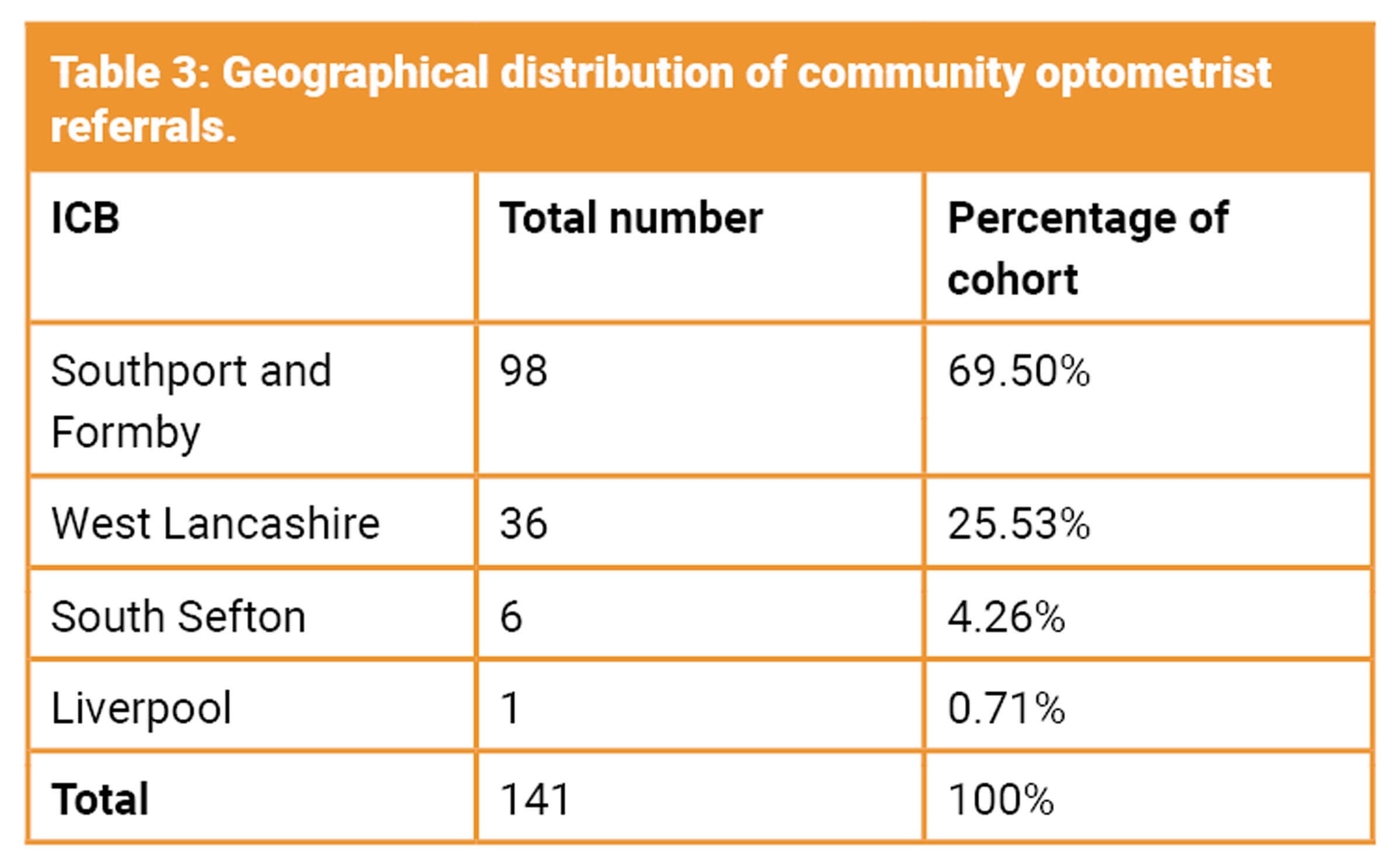
Southport and Ormskirk (S&O) Hospitals serve about four integrated care boards (ICBs) (Table 3) – ICBs are administrative bodies responsible for commissioning healthcare services for distinct geographical populations.
Hospital cohort data collection
Electronic patient records were reviewed, and the following data were recorded:
- Referral source:
- Community optometrist
- General practitioner
- Diabetic retinopathy screening service
- In-house
- Other hospital/service provider. - ICB
- Patient age
- Date of first clinic appointment.
For patients referred by community optometrists, further data were collected:
• Referral source
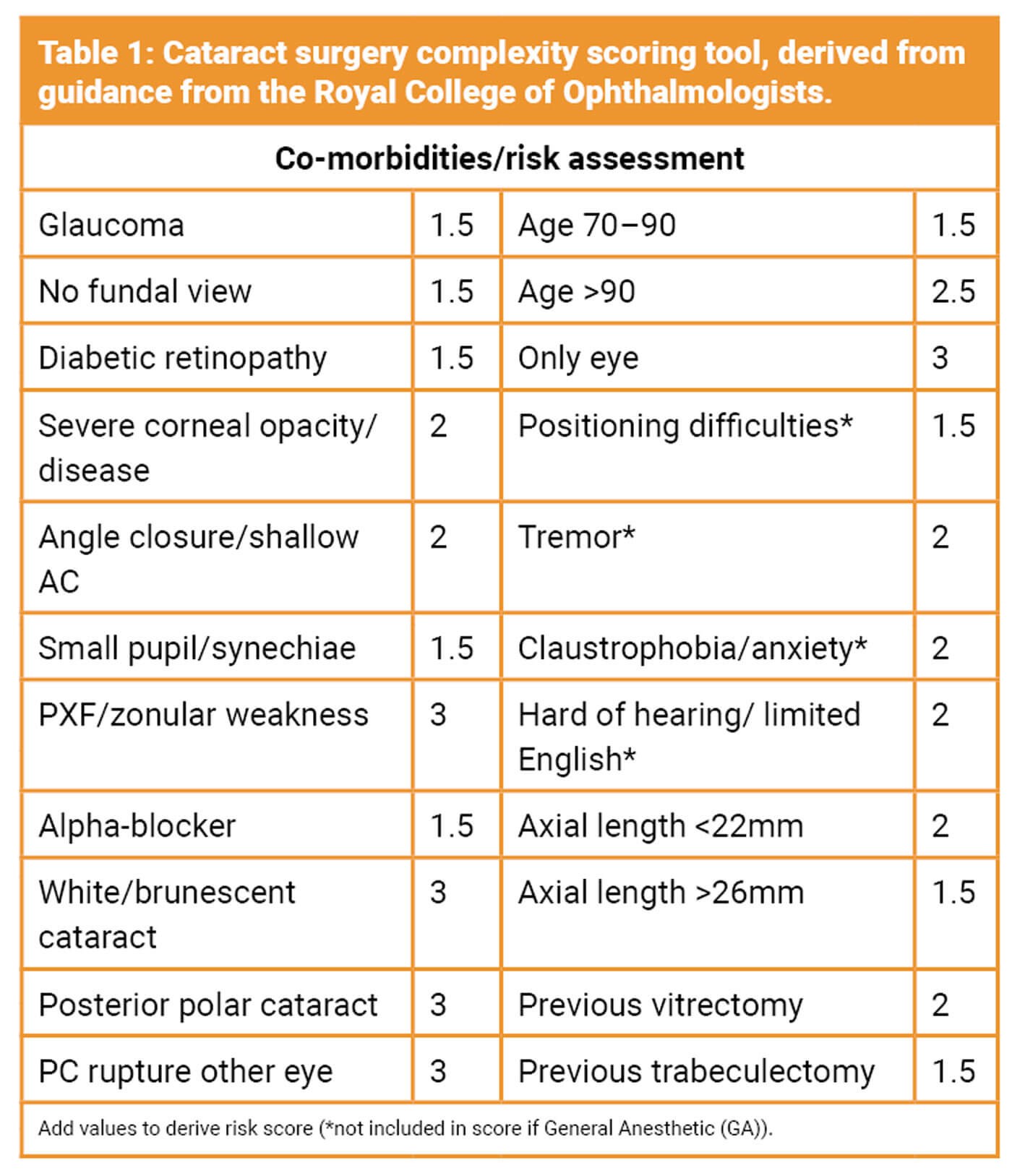
• Clinical complexity score: as per RCO guidelines
• Presence of ocular co-pathology resulting in sub-optimal final outcomes.
Assessment of clinical complexity
Clinical complexity (Table 1) was measured only in patients referred from community optometrists to evaluate this specific case mix, excluding in-house or secondary care patients, who are often already known to the service and have higher surgical complexity and ocular comorbidities. Including them would hinder comparison with the community cohort. In accordance with guidance, the complexity score can be interpreted as:
- Score <3: suitable for ophthalmology trainees
- Score 3–6: suitable for more experienced surgeons (e.g. fellows)
- Score >6: suitable for consultant-level surgeons.
While these thresholds were not used to guide management in this audit, they are useful for contextualising case complexity.
Assessment of ocular co-pathology
Any other ocular co-pathology, like age-related macular degeneration (AMD), epiretinal membrane and amblyopia was recorded. While these may not affect the procedures difficulty, they impair visual acuity and worsen final outcomes.
Data analysis
Data was analysed descriptively. Community referral volumes were compared with hospital attendance to estimate conversion rates. Community referral complexity and distribution, along with the presence of ocular co-pathology, were recorded. Given the descriptive nature of the audit, formal statistical testing was not undertaken; findings were interpreted in the context of observed trends and potential variation within the referral pathway.
Results
Study population
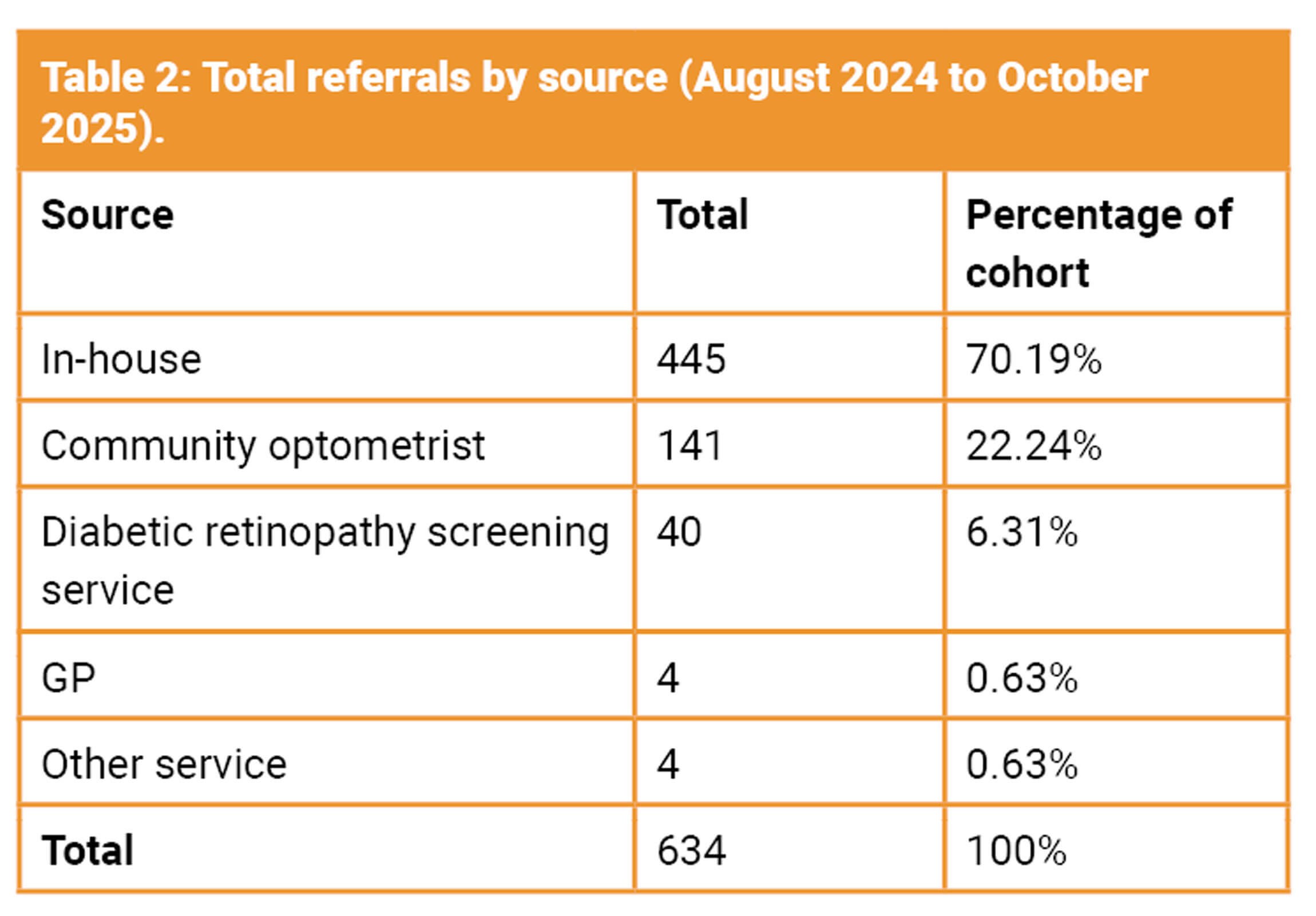
A total of 698 patients attended the preoperative clinic at S&O during the 16-month study period. After applying exclusion criteria, 634 patients were included in the final analysis (see Table 2).
Comparison with the total community referral volume
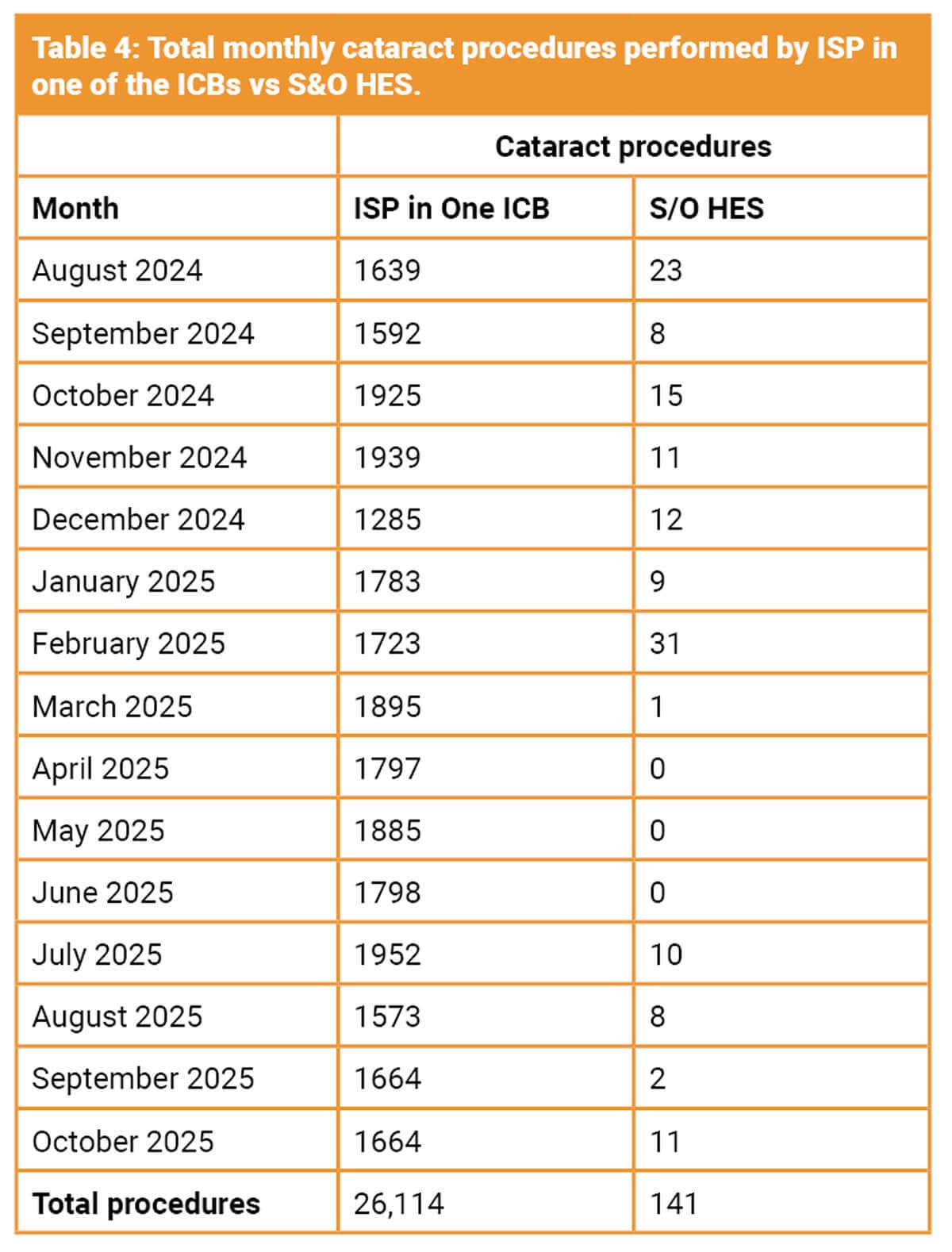
During the study period, the ISP conducted 26,114 cataract procedures (Table 4) under a single ICB, compared with 141 procedures via the same referral route at the HES preoperative cataract clinic. Monthly community referrals to the HES ranged from 0 to 31, whereas monthly referrals to the ISP ranged from 1285 to 1939. This marked disparity indicates a substantial difference in overall community referrals to the ISP and to the HES (see Figure 1).
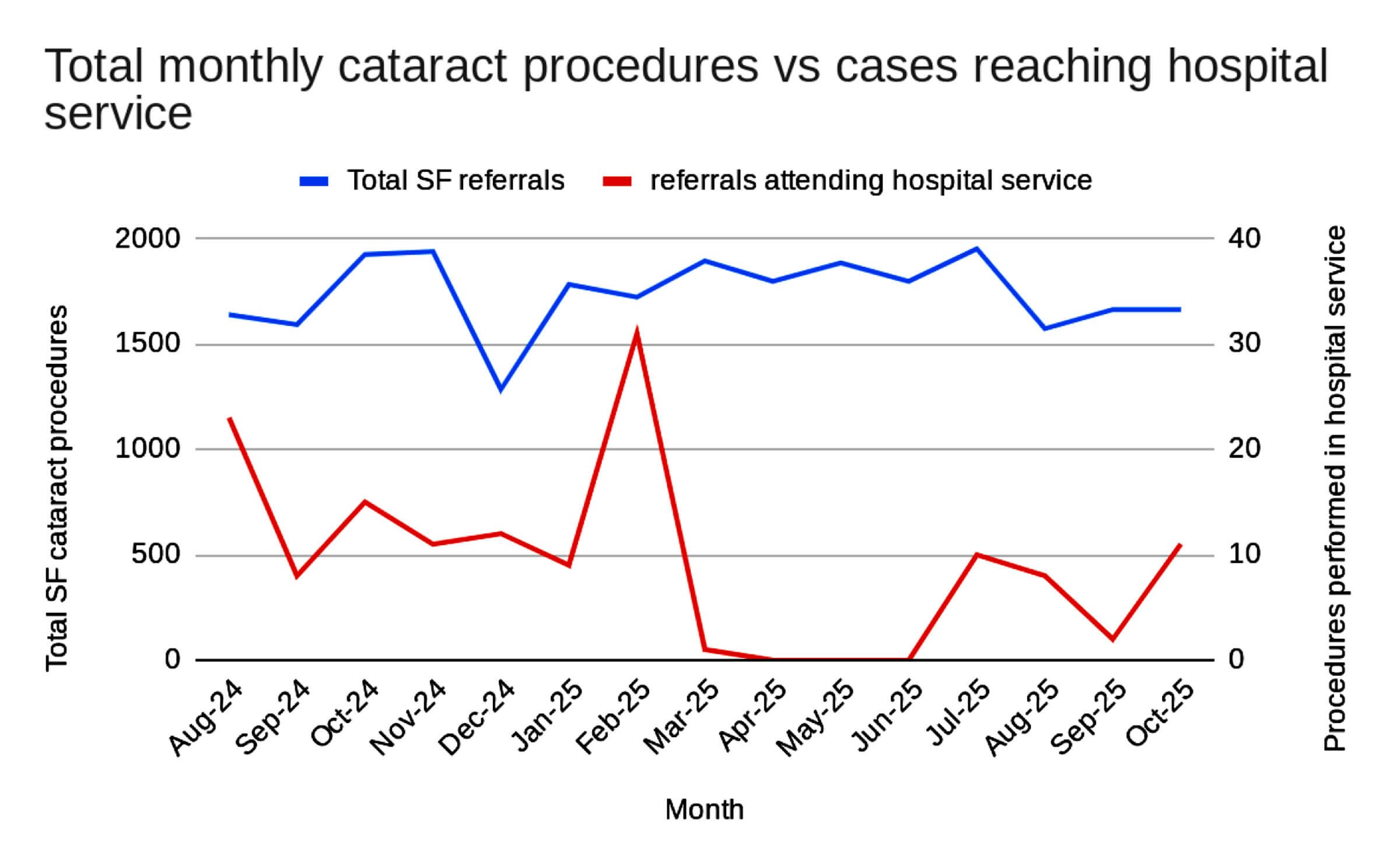
Figure 1: Line chart displaying total monthly cataract procedures performed in Southport and Formby compared to cases which reached the hospital eye service.
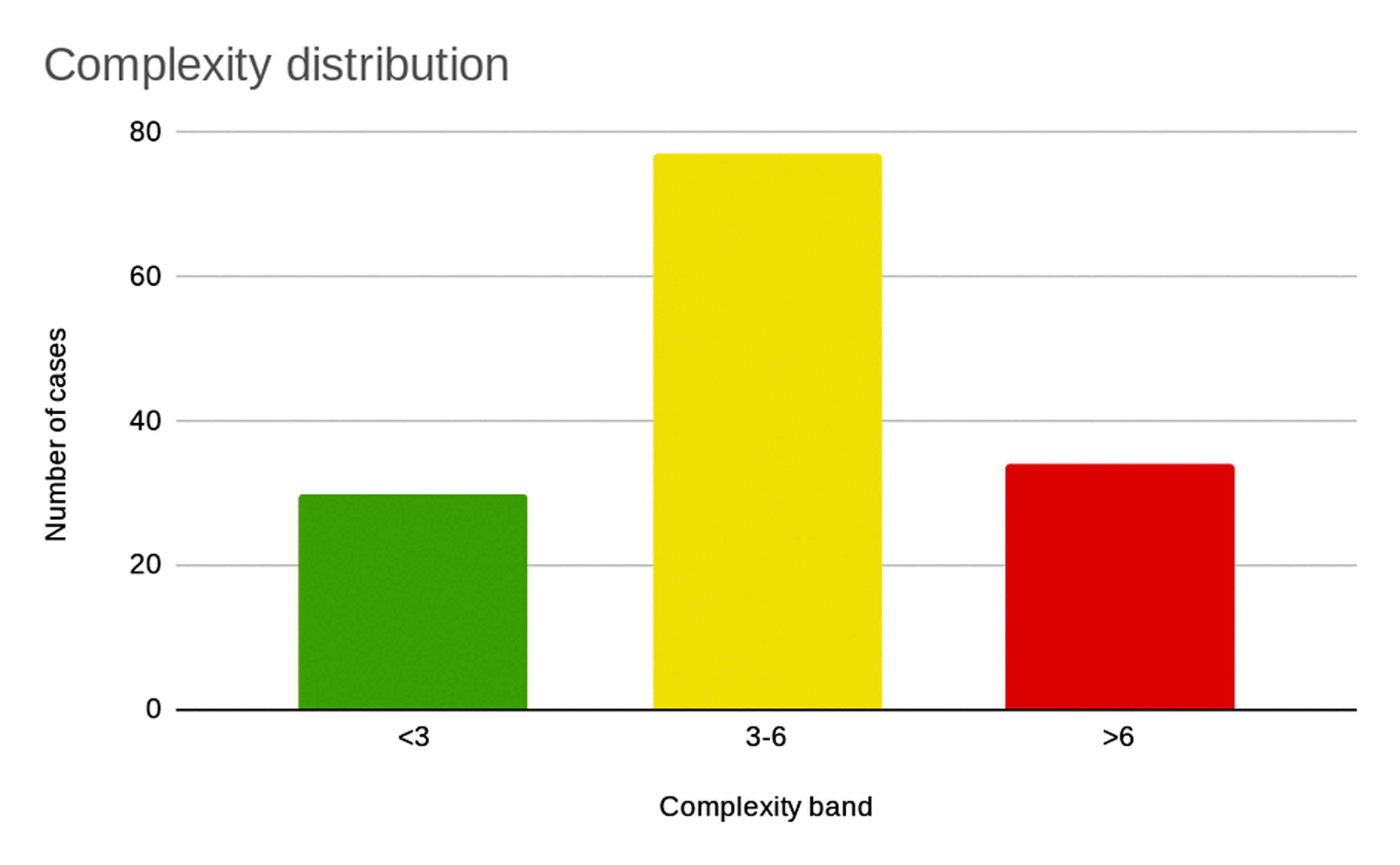
Figure 2: Bar chart showing the spread of case complexity from community referrals.
Case complexity
All community optometrist referrals underwent complexity scoring; the 141 scores had a mean of 4.25 (SD 2.06) and a median of 3.5. Scores were grouped using three predefined thresholds as previously mentioned (see Figure 2):
- Low complexity (<3): 30 cases (21.2%)
- Moderate complexity (3-6): 77 cases (54.6%)
- High complexity (>6): 34 cases (24.1%).
Discussion
The predominance of moderate-to-high-complexity cases, alongside a notable burden of ocular comorbidities, supports the hypothesis that lower-complexity cases may be preferentially referred to ISP. While direct comparison with ISP referrals was not possible, the findings are consistent with a redistribution of cases across providers. Most community optometrist referrals to the HES were classified as moderate-to-high complexity, with a mean score of 4.28. Almost one-quarter of these patients fell into the high-complexity threshold, while a minority were classified as low risk. Although direct data from ISPs was unavailable for this study, the underrepresentation of low-complexity cases aligns with the hypothesis that such cases are not managed in HES. Therefore, ongoing evaluation of referral pathways is essential to ensure an equitable, appropriate and sustainable allocation of cases across both the HES and ISP.
A key finding is the marked disparity between community referrals to the ISP and those referred to HES. During the study period, over 26,000 referrals were made to the ISP, yet only 141 were made to HES. Whilst comparative data on referrals to the ISP is not available, this discrepancy strongly suggests that a large proportion of cases are being managed outside the HES, reflecting the increasing utilisation of ISPs.
Patient choice may also contribute to this trend. Within current referral pathways, patients are allegedly offered a choice of providers, including ISP. Factors such as free transport and parking, as well as perceived shorter waiting times, may all influence patients’ choices. This may be particularly prominent in patients with less complex disease who are suitable for routine surgical procedures. Conversely, more complex patients may be directed towards, or opt for, hospital-based services where more specialist expertise and multidisciplinary support are available.
This interpretation is further supported by the observed burden of ocular comorbidities, including AMD and epiretinal membrane, which, while not directly affecting procedural complexity, may limit postoperative visual outcomes.
Community optometrists are the first point of contact for cataract surgery and are likely to triage patients based on comorbidities, perceived surgical suitability and local guidance. In regions with multiple service providers, including ISPs, referral patterns may be influenced by both clinical and systemic factors. The findings of this study suggest that this process may be leading to case stratification, in which lower-complexity cases are preferentially managed outside NHS hospital services, possibly due to factors such as resource optimisation or patient convenience.
The geographical distribution of referrals offers some insight into service utilisation; the predominance of referrals from Southport and Formby reflects both the expected local catchment pattern. However, variations in referral numbers across all ICBs highlight differences in engagement with the pathway or access to alternative providers, warranting further exploration, particularly in the context of equitable service provision.
Limitations identified include a lack of in-depth data on patients referred directly to ISPs by community optometrists, an inability to definitively quantify differences in case numbers, and an inability to assess case complexity. Consequently, conclusions about case diversion are inferential. Complexity scoring was limited to community optometrist referrals, which was appropriate for the study’s aim.
This study offers valuable insights into how existing cataract referral pathways function. By combining detailed clinical assessment with population-level referral data, the analysis shows that the service manages a disproportionately complex, low-volume cohort compared with the region’s overall referral pool. This has important implications for service commissioning and workforce planning, as well as for longer procedure times and a limit on the number of cataract cases per list. We suggest that other units conduct similar audits, as our region might be an exception.
References
1. Li M, Jia W, Song J, et al. Global prevalence and years lived with disability (YLDs) of cataract in 204 countries and territories: findings from the Global Burden of Disease Study 2021. Eye (Lond) 2025;39(9):1737–43.
2. Nash E. Cataracts. InnovAiT: Education and inspiration for general practice 2013;6(9):555–62.
3. Owsley C, Stalvey B, Wells J, Sloane ME. Older drivers and cataract: driving habits and crash risk. J Gerontol A Biol Sci Med Sci 1999;54(4):M203–11.
4. https://cks.nice.org.uk/topics/
cataracts/management/adults
5. Maling S, Adams M. Independent sector cataract training. Eye 2024;38(14):2663–4.
6. www.bma.org.uk/media/fy3czsaf/bma-nhs
-outsourcing-report-september-2024.pdf
7. https://gettingitrightfirsttime.co.uk/wp-content/
uploads/2022/11/Reducing-waiting-times-for
-cataract-surgery-through-innovative-community
-based-provision-November-2022.pdf
8. https://gettingitrightfirsttime.co.uk/wp-content/
uploads/2023/12/Guide-3-Designing-effective
-perioperative-data-collection-tools-to-support-high
-flow-cataract-surgery-FINAL-Updated-November-2023.pdf
9. www.rcophth.ac.uk/wp-content/uploads/2021/06/
Cataract-Services-Workforce-Guidance-March-2021-1.pdf
[All links last accessed May 2026]
Declaration of competing interests: None declared.





