
During March 2025, I undertook a four-week elective in ophthalmology at Christchurch Hospital, New Zealand. Having had minimal exposure to ophthalmology within my time at university, I was excited to be further immersed in it whilst also having the opportunity to experience another culture. I chose New Zealand as I was interested in the difference in the cultural dynamics with an indigenous population – something which I have not experienced in the UK.
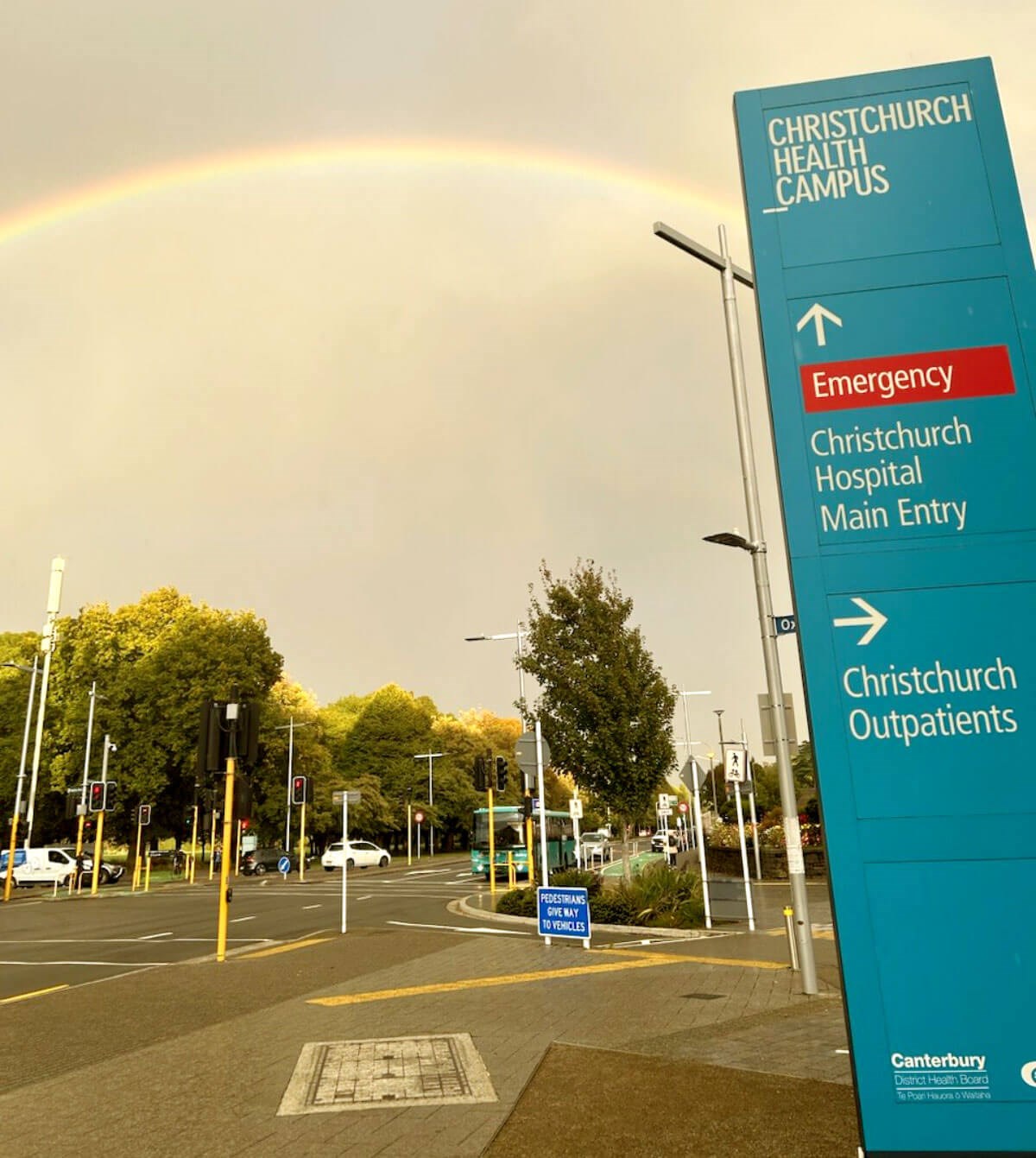
Figure 1: A rainbow over Christchurch Hospital.
The demographic of New Zealand is predominantly Pākehā (NZ-European), but also has a large population of indigenous Māori, as well as Asians and Pasifika. The difference in demographic to the UK is notable, with Te Reo Māori language interwoven into the healthcare system. There is a focus on reducing health inequality for Māori, who statistically have worse clinical outcomes, with disproportionately higher rates of chronic conditions such as cataracts, keratoconus and diabetic retinopathy [1].
During my time in New Zealand, the promotion of holistic medicine, work-life balance and conservative lifestyle-factor-based management was more prevalent than I had encountered in the UK, and this made me reflect on how I can bring this into my day-to-day practice back home.
The challenges of a New Zealand-based ophthalmology department appeared akin to those in the NHS, with its free at the point of care public healthcare system, known as Te Whatu Ora, and GP-based referral system. Whilst the core workload of major subspecialties such as glaucoma, cataract, AMD and eye casualty remained similar, specific disease prevalence varied. I noticed a higher incidence of pinguecula and pterygium than I’ve seen in the UK, likely due to the higher UV levels in New Zealand. Additionally, reduced rural access to healthcare presented further challenges, with patients travelling substantially further to access eye services than within the UK.
During my time in Christchurch, I had a varied timetable, full of theatre days, clinics and the opportunity to sit in with orthoptists and learn about diagnostic testing. Although routine for most ophthalmologists, observing surgeries such as phacoemulsification was invaluable experience for me, and given how specialist eye surgery is. Simply being responsible for lubricating the cornea during my time in theatre felt exciting! The team were keen to teach, and I got involved with minor ops clinic, as well as examining eyes through a slit lamp; a tricky skill to initially pick up, but a fundamental part of an ophthalmology examination.
I was particularly struck by a case of debilitating epiphora in an oculoplastics patient who had previously sought assistance in the private sector for a dacryocystorhinostomy to relieve her symptoms. The surgery was too expensive for her to have it done privately, and she came to clinic requesting to be waitlisted within the public sector. After the patient had been assessed and our attempt at flushing the nasolacrimal ducts had proved bilaterally unsuccessful, the team agreed that waitlisting her would be appropriate. The patient was upset with the waitlist time, which was several months, but eventually agreed to join the waitlist. I felt frustrated for her as the day-to-day impact seemed to take a toll on her wellbeing, but I understood the need for patient triage as this was not an emergent problem.
On reflection and further research, I found that in New Zealand, the overall waitlist length as of 7 March 2025 was 84,989 people [2]. Comparatively, the UK waitlist length around the end of March 2025 was 6.25 million people [3]. Whilst this is evidently not oculoplastics or even ophthalmology specific, and the UK obviously has a population much greater than New Zealand (around 69 million people [4], as opposed to 5.3 million [5]), when taking into account the size of the population, the UK waitlist is still around nine times greater than that of New Zealand (9.05% vs 1.06% of the country’s overall population). Whether this is due to a more effective healthcare system in New Zealand or healthier lifestyle practices, I am unable to say, but reflection on this made me feel that this woman was lucky to be getting a surgery within a couple of months in the public sector.
It also would appear that maybe there is more that we can be doing within the UK to improve patient outcomes, with more preventative lifestyle adaptations for patients. For example, improving the awareness of eye strain and the use of technology on the development of dry eyes [6], alongside the usual general systemic factors, such as smoking [7]. This case also flagged to me the political and ethical dilemmas of resource allocation within the public sector, whilst trying to maintain accessibility to care.
This was my first time travelling so far from home and I found it quite daunting as my time to leave for New Zealand got closer and closer. It’s normal to hear stories from elective students that are full of the excitement of new experiences and different cultures, but no one talks about the initial anxiety of being so far away from home, with the closest familiar environment being a 30-hour flight away. However, this soon was relieved once I’d settled in and discovered that the beach was just 15 minutes down the road! My Airbnb host was delightful, offering a post-arrival tour in his pickup truck with his friendly puppy, Nelly, and recommending exciting locations to visit during my days off.

Figure 2: Balancing clinical learning with personal growth – discovering new challenges beyond the hospital.
A particular highlight was Sumner Beach, where I spent a five-hour stint on a surfboard on a glorious sunny afternoon. On weekends, my fellow elective students and I travelled further afield, and we were captivated by the very cold and glacial Lake Tekapo, part of the International Dark Sky Reserve, with beautiful views of the Milky Way overnight.
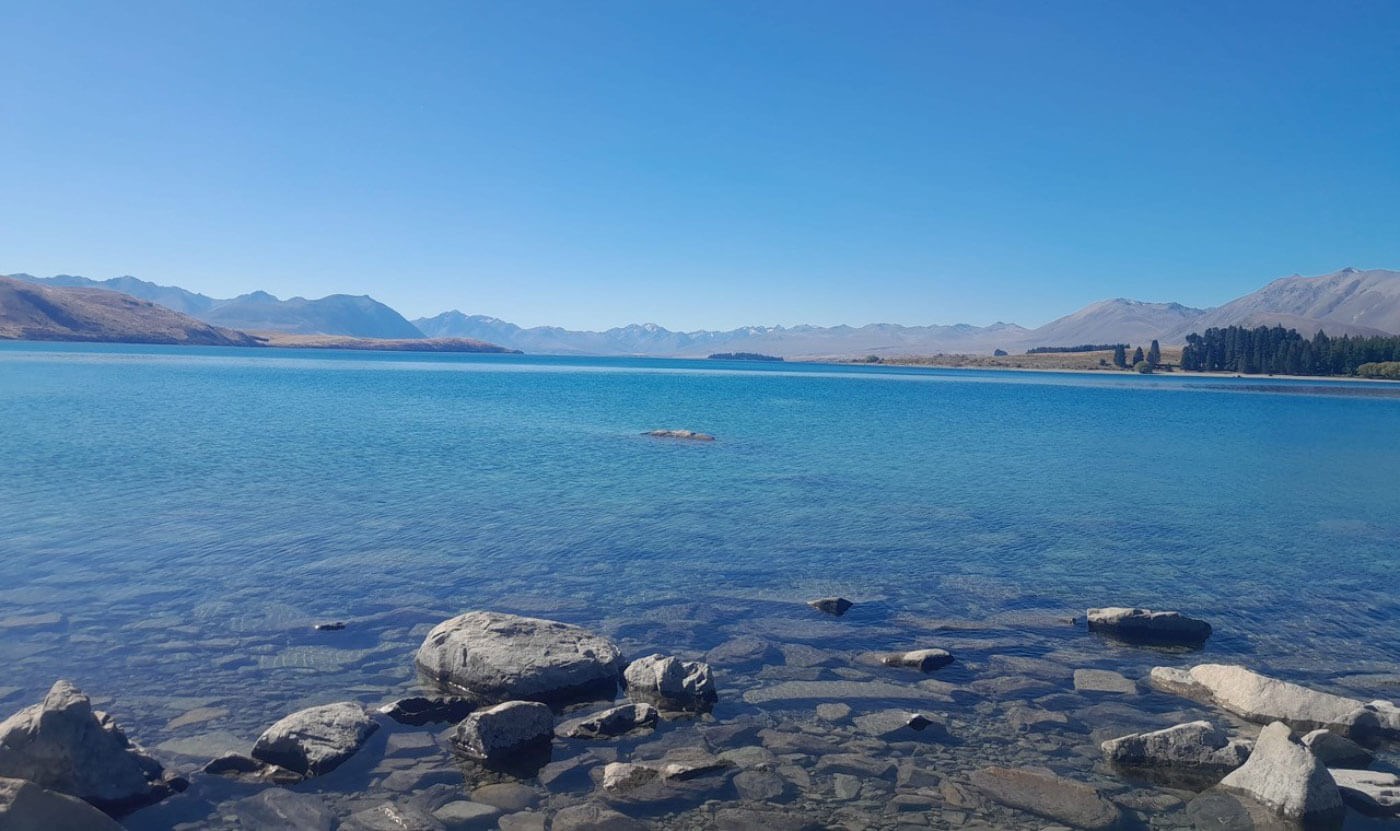
Figure 3: Lake Tekapo, beautiful but deceptively cold!
The University of Otago were excellent hosts, and I found it easy to arrange my elective experience with them. They were responsive and accommodating, and I felt very welcome in Christchurch. A four-week visit brought so many new experiences, and I feel exceptionally lucky to have had the opportunity to experience a specialty I’m highly interested in whilst also being able to immerse myself in a different culture and explore another part of the world. Through this, my confidence improved, my curiosity to explore a career in ophthalmology has heightened, and I look forward to further exposure to the specialty.
References
1. Rapata M, Cunningham W, Harwood M, Niederer R. Te hauora karu o te iwi Māori: A comprehensive review of Māori eye health in Aotearoa/New Zealand. Clin Exp Ophthalmol 2023;51(7):714–27.
2. https://www.tewhatuora.govt.nz/corporate
-information/planning-and-performance/health
-targets/health-targets/performance
3. https://www.england.nhs.uk/long-read/
monthly-operational-statistics-may-2025
4.https://www.ons.gov.uk/peoplepopulation
andcommunity/populationandmigration/
populationestimates/timeseries/ukpop/pop
5. https://www.stats.govt.nz/topics/population/
6. Sheppard AL, Wolffsohn JS. Digital eye strain: prevalence, measurement and amelioration. BMJ Open Ophthalmol 2018;3(1):e000146.
7. Xu L, Zhang W, Zhu XY, et al. Smoking and the risk of dry eye: a Meta-analysis. Int J Ophthalmol 2016;9(10):1480–6.
[All links last accessed September 2026]





